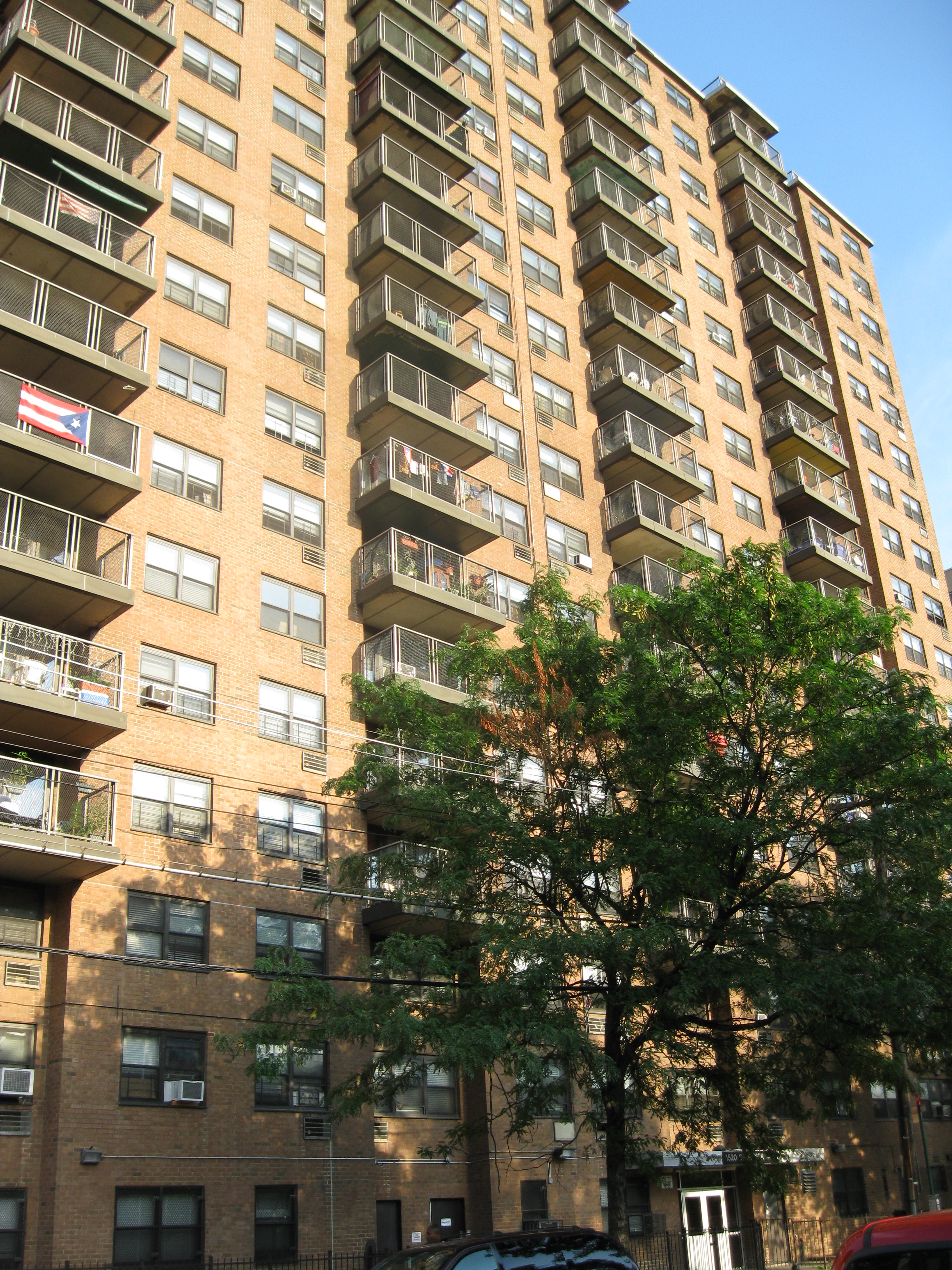
1520 Sedgwick Avenue
Twenty-five cents for the ladies, fifty cents for the fellas. That was the price of admission on August 11, 1973, when eighteen-year-old Cindy Campbell threw a back-to-school party in the recreation room of her family's apartment building at 1520 Sedgwick Avenue in the Bronx. She had rented the space for twenty-five dollars, written out invitations on index cards, and left the rest to her older brother Clive - better known as DJ Kool Herc. What happened that night in Morris Heights would ripple outward until it reached every corner of the planet. Hip hop was born not in a recording studio or a concert hall, but in the basement of a working-class apartment building, and the story of that building tells you everything about the culture it created.
The Night the Break Dropped
Clive Campbell had spent months perfecting something new. Using two turntables, a mixer, and two copies of the same record, he isolated the percussive breakdowns - the frantic grooves at the beginning or middle of a song - and extended them by switching back and forth between the identical records. He called the technique the "merry-go-round," and his sister's party was its debut. From 9 p.m. to 4 a.m., while their mother served snacks and their father hauled in sodas and beer from a local warehouse, Herc unveiled a sound that no one in that room had heard before. His friend Coke La Rock picked up the microphone and began talking over the beats - rapping, though nobody called it that yet. The crowd went wild. Legends later multiplied about who was there that night; Grandmaster Flash, Afrika Bambaataa, and KRS-One all have been named as attendees, though some of those claims remain disputed.
A Haven Under Siege
The building itself tells a parallel story about New York City. Completed in 1967 as affordable housing under the Mitchell-Lama Housing Program, 1520 Sedgwick Avenue was home to 102 working-class families, a place The New York Times once described as a "haven for working-class families." But by the early 2000s, building owners saw an opportunity. They sought to pull the building out of the Mitchell-Lama program, strip away rent controls, and convert it to market-rate housing. Senator Chuck Schumer led a rally in 2007 to fight the conversion. That same year, the New York State Office of Parks, Recreation and Historic Preservation officially recognized 1520 Sedgwick Avenue as the "birthplace of hip hop." The designation did not stop the sale. In 2008, a real estate group purchased the building with plans to push rents skyward - and then the housing bubble burst.
Decline and Rescue
What followed was a grim period that mirrored the broader affordable housing crisis gripping New York. The new owners, unable to profit in a collapsed market, let the building deteriorate. Residents faced threats of forced eviction while the hallways fell into disrepair. The birthplace of a billion-dollar global culture was crumbling. In 2010, the city's Housing Development Corporation stepped in with a $5.6 million loan, enabling Winn Development and Workforce Housing Advisors to purchase the building's mortgage from Sovereign Bank for $6.2 million. Rafael Cestero, the city's housing commissioner, framed the intervention as a matter of principle: the building needed to remain what it had always been, sustainable housing for working-class families. Additional renovation funds came from the city's Department of Housing Preservation and Development.
Sacred Ground on Hip-Hop Boulevard
Walk past 1520 Sedgwick Avenue today and you will see a street sign reading "Hip-Hop Blvd," installed in February 2016. The building looks much like any other mid-rise apartment block in the Bronx - brick-faced, utilitarian, unremarkable to the uninitiated. That ordinariness is the point. Hip hop did not emerge from privilege or institutional support; it came from young people in a working-class neighborhood making something extraordinary out of the materials at hand - two turntables, a mixer, a rented rec room, and index-card invitations. Historians are careful to note that 1520 Sedgwick was not the sole birthplace of hip hop, a genre that developed gradually across multiple Bronx neighborhoods through the 1970s. But it was the site of one of the most pivotal and formative events in hip hop's emergence, a night when a new way of making music first reached an audience and made them move.
From the Air
Located at 40.8471N, 73.9243W in the Morris Heights neighborhood of the Bronx, New York City. The building sits along Sedgwick Avenue near the Harlem River, west of the Major Deegan Expressway (I-87). From the air, look for the dense residential blocks of Morris Heights between the Cross Bronx Expressway and the University Heights Bridge. Nearby airports include LaGuardia (KLGA, 8 nm east) and Teterboro (KTEB, 8 nm northwest). Recommended viewing altitude: 2,000-3,000 feet AGL for neighborhood context.