1933 Imperial Airways Ruysselede Crash
Camille van Hove was still in a hospital bed in Bruges when King Albert I presented him with Belgium's Civic Cross, First Class. His burns were too severe for him to attend any ceremony. On the foggy afternoon of December 30, 1933, van Hove had been among the first to reach the wreckage of the Apollo, an Imperial Airways Avro Ten that had struck a guy wire of the tall radio mast at Ruysselede. At least one passenger survived the initial impact. Then came the explosion. Van Hove and fifteen other rescuers rushed into the flames anyway. All ten people aboard the aircraft perished, but the courage of those who tried to save them became the story Belgium chose to remember.
Into the Fog
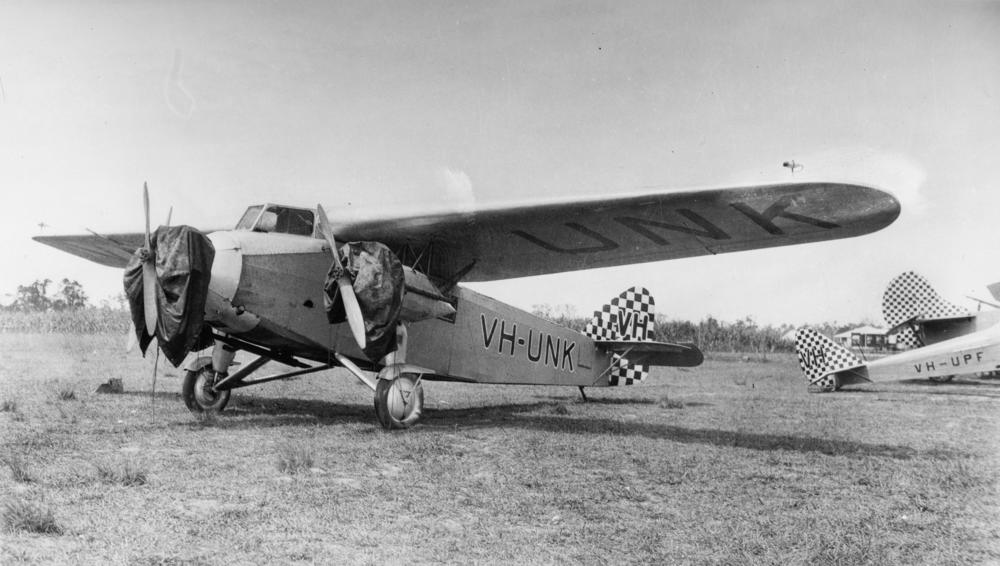
The Apollo had entered service with Imperial Airways in May 1931 and had spent time flying for Iraq Petroleum Transport before returning to the British carrier. Registration G-ABLU, the trimotored aircraft was operating the regular Cologne-to-London route via Brussels that December morning. The flight departed Haren Airport in Brussels at 12:20 local time, twenty minutes behind schedule. Dense fog had settled over the Low Countries, forcing the crew to navigate north of their usual track. The aircraft was searching for landmarks when it encountered something the charts could not have warned them about: the invisible web of guy wires supporting the Ruysselede radio mast, one of the tallest structures in Belgium.
The Mast at Ruysselede
Belradio's transmitter at Ruysselede stood as a steel needle above the flat West Flanders landscape. The mast was illuminated, its lights burning through the fog as a warning to aircraft. But the guy wires that held it upright extended outward in a wide radius, nearly invisible against the gray murk. At 13:15, the Apollo struck one of these cables. The impact tore away a wing and demolished the upper section of the mast. The aircraft tumbled from the sky, crashing near the radio station with enough force to scatter wreckage across the surrounding fields. Four workers at the station heard the collision and began running toward the smoke.
Courage in the Flames
The radio station workers were joined by twelve villagers from Ruysselede who had seen or heard the crash. When they reached the wreckage, they found chaos. At least one passenger had survived the impact and was struggling in the debris. Before anyone could pull the survivors clear, the aircraft's fuel ignited. The explosion engulfed the wreckage in flames, but the rescuers pressed forward anyway. They fought to reach those trapped inside, suffering burns as they worked. All ten passengers and crew died, some from the impact and others from the fire that followed. The sixteen rescuers emerged with burns of varying severity, with four of them seriously injured.
A King's Gratitude
The families of the victims wrote letters praising the bravery of those who had risked their lives in a futile rescue attempt. They petitioned the Belgian government to recognize the courage displayed at Ruysselede. King Albert I responded by awarding Camille van Hove the Civic Cross, First Class, Belgium's highest civilian honor for bravery. Van Hove's injuries kept him hospitalized in Bruges long after the ceremony would normally have been held. Nine other rescuers received monetary rewards from the Crown. The crash of the Apollo joined the Diksmuide disaster from nine months earlier as a reminder of how fragile early commercial aviation remained. Imperial Airways had now lost two aircraft over the fields of Flanders in a single year.
From the Air
Located at 51.08N, 3.33E near Ruysselede in West Flanders, Belgium. The site of the former radio mast lies in flat agricultural terrain. Best viewed at 2,000-3,000 feet. The town of Ruysselede provides a reference point. Nearest airports include Kortrijk-Wevelgem (EBKT) to the southwest and Ursel (EBUL) to the northeast. The flat landscape of this region historically made navigation difficult in poor visibility, contributing to the 1933 accident when fog obscured the guy wires supporting the tall radio mast.