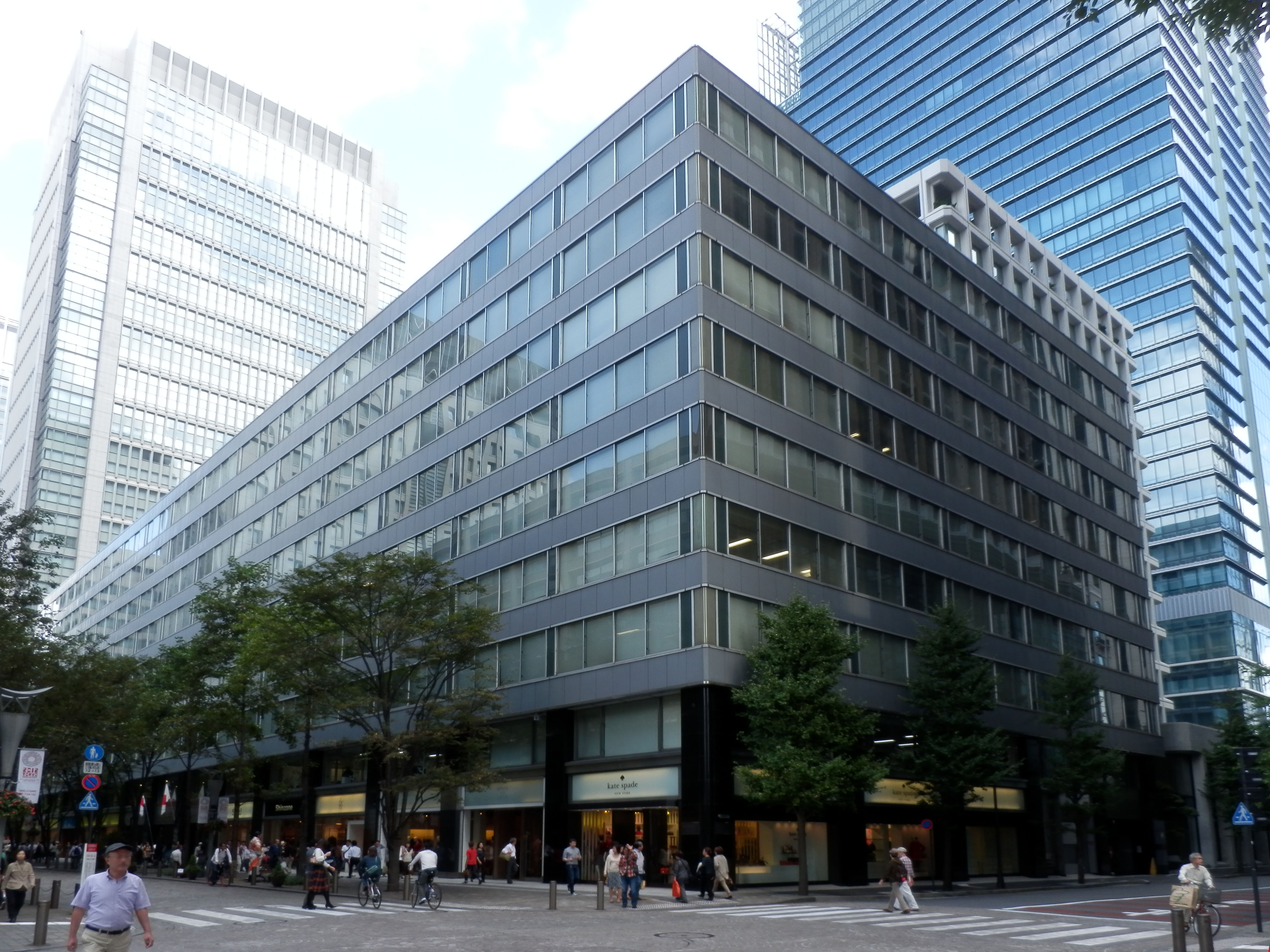
1974 Mitsubishi Heavy Industries Bombing
The telephone call came eight minutes before the explosion. Someone inside the Mitsubishi Heavy Industries headquarters in Tokyo's Marunouchi business district picked up the receiver, listened to a warning that bombs had been planted, and dismissed it as a hoax. A second call came four minutes later. Still, nobody evacuated. At 12:45 p.m. on August 30, 1974 -- a Friday, at the peak of the lunch hour -- one of two homemade time bombs detonated at the building's entrance. The blast killed eight people, injured at least 376, and shattered glass up to the eleventh story. It was the deadliest terrorist attack in modern Japanese history, a record that would stand for over two decades.
The Wolf at the Door
The bombers called themselves the Wolf cell. They were part of the East Asia Anti-Japan Armed Front, a radical far-left organization founded in 1972 and influenced by the New Left movement. The EAAJAF viewed the former Empire of Japan as the embodiment of evil, condemned the Pacific War as a war of aggression, and held that Japanese corporations perpetuated imperial violence through global capitalism. Mitsubishi Heavy Industries was their prime target for a specific reason: the company had supplied the United States military during the Vietnam War. The Wolf cell members packed 45 kilograms of homemade explosives into two devices and concealed them in a flower pot at the entrance to Mitsubishi's head office block. Only one bomb detonated. Had both gone off, the carnage would have been far worse.
Twelve Forty-Five on a Friday
The timing was devastating. Lunchtime in Marunouchi meant the streets and lobbies of Tokyo's central business district were packed with office workers. Five people -- two of them Mitsubishi employees -- died instantly. Three more died in hospital shortly after. An estimated 376 people suffered injuries, with roughly 330 taken to hospitals. Of those, 116 were Mitsubishi workers. The explosion was powerful enough to blow out windows across the street at Mitsubishi Electric's headquarters and send shards of glass raining down from eleven stories above. The blast could be heard in Shinjuku, kilometers away. Cars and trees in the surrounding streets were destroyed. The EAAJAF had expected a controlled strike, but the failure to evacuate the building transformed their act into mass slaughter.
Silence and Outrage
The attack provoked fury in the Japanese press. One newspaper editor declared it "a most atrocious challenge to our society. Society itself was the target and the victim." The Japan Times demanded a "show of public wrath." Yet the political response was strangely muted -- Prime Minister Kakuei Tanaka and leaders of leftist parties said little publicly about the incident. Just weeks before the bombing, on August 14, 1974, the EAAJAF had attempted an even more audacious strike: they tried to blow up the bridge carrying Emperor Hirohito's royal train, an operation they code-named "Rainbow." The plot was aborted when a member was spotted at the scene. The group's escalation from symbolic, non-lethal bombings of imperial monuments to mass-casualty attacks against corporate targets marked a turning point in Japanese domestic terrorism.
The Last Fugitive
Seven EAAJAF members were arrested on May 19, 1975. Two leaders, Masashi Daidoji and Toshiaki Masunaga, were convicted and sentenced to death. Daidoji spent over four decades on death row before dying of multiple myeloma at the Tokyo Detention Center on May 24, 2017. But one participant escaped justice for nearly half a century. Satoshi Kirishima vanished in 1975 and lived under the alias "Hiroshi Uchida" in the coastal city of Fujisawa, Kanagawa Prefecture. In January 2024, gravely ill with terminal cancer in a hospital in Kamakura, Kirishima revealed his true identity to staff, saying he wanted to die under his real name. He died four days later, closing one of the longest manhunts in Japanese criminal history -- 49 years after the bombing that put his face on wanted posters across the country.
From the Air
The former Mitsubishi Heavy Industries headquarters is located at 35.667N, 139.783E in the Marunouchi district of central Tokyo, adjacent to Tokyo Station. The area is dense urban terrain of high-rise office towers between the Imperial Palace grounds and the railway station. Recommended viewing altitude: 2,000-4,000 feet. The Imperial Palace moat and gardens provide the most visible landmark nearby. Closest airports are Tokyo Haneda (RJTT) approximately 10 nautical miles south and Tokyo Narita (RJAA) approximately 35 nautical miles east.