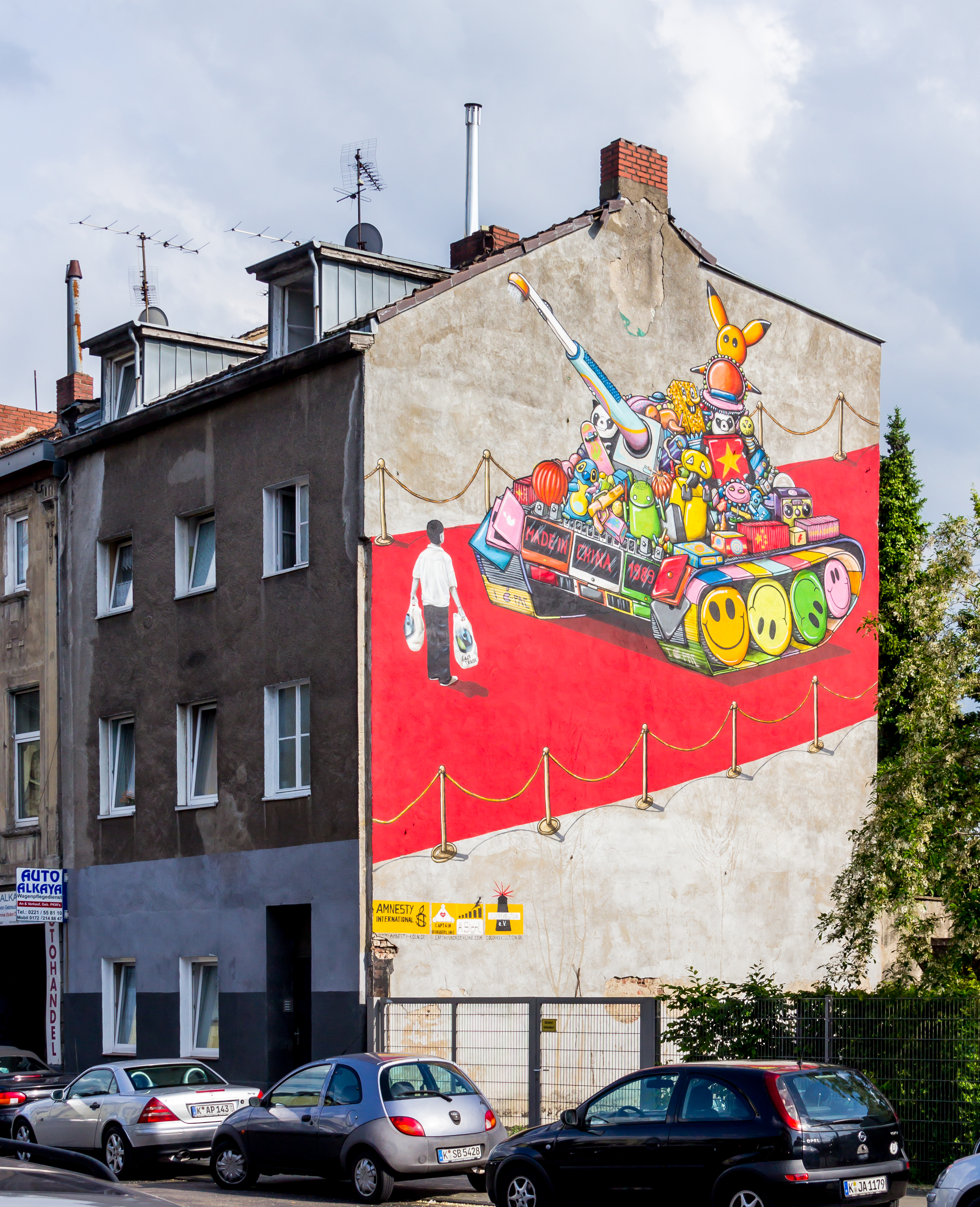
1989 Tiananmen Square Protests and Massacre
Three students knelt on the steps of the Great Hall of the People on April 22, 1989, holding a petition above their heads and waiting for Premier Li Peng to come outside and accept it. He never did. That small act of refused supplication -- students kneeling before their government and being ignored -- helps explain how a mourning vigil for a dead reformer became the largest pro-democracy movement in modern Chinese history, how hundreds of thousands of people came to occupy the center of Beijing for seven weeks, and why the Chinese government ultimately sent tanks to end it.
Mourning Becomes Movement
The protests began with grief. When Hu Yaobang, a former CCP general secretary who had been forced to resign for his sympathetic stance toward student demonstrations, died of a heart attack on April 15, 1989, students gathered spontaneously at the Monument to the People's Heroes in Tiananmen Square. Hu had been a symbol of political reform, and his death crystallized frustrations that had been building for years: rampant corruption, inflation that eroded living standards, an education system that couldn't keep pace with economic change, and a political system that offered no channel for dissent. Within days, the mourning gatherings evolved into organized protests. Students drafted the Seven Demands, calling for press freedom, increased education funding, publication of leaders' incomes, and an end to restrictions on demonstrations. By April 22, some 100,000 students had marched to the square despite orders that it be closed for Hu's state funeral.
Escalation and Hunger
A pivotal miscalculation came on April 26 when the People's Daily published an editorial branding the movement 'anti-party turmoil,' invoking language that echoed the Cultural Revolution. Rather than intimidating the students, the editorial enraged them. The next day, 50,000 to 100,000 students marched through police lines to widespread public support. The movement split the party leadership. General Secretary Zhao Ziyang favored dialogue and concessions; Premier Li Peng and paramount leader Deng Xiaoping took a harder line. When Zhao left for a state visit to North Korea, the hardliners consolidated. On May 13, students launched a hunger strike timed to coincide with Soviet leader Mikhail Gorbachev's historic visit -- the first Sino-Soviet summit in 30 years. By the afternoon, 300,000 people had gathered at the square. The hunger strike won enormous public sympathy and drew support from workers, intellectuals, and even some party members and police officers.
The Night of June Third
Martial law was declared on May 20. For two weeks, Beijing residents blocked military convoys from reaching the city center. On the night of June 3, the army advanced along the city's major thoroughfares. Much of the bloodshed occurred not in the square itself but along Chang'an Avenue, particularly near the Muxidi neighborhood, where troops fired on crowds of citizens who tried to block their path. Demonstrators, bystanders, and soldiers died in the clashes. Estimates of the total death toll range from several hundred to several thousand, with thousands more wounded. The precise number remains unknown because the Chinese government has never released a full accounting. In the early hours of June 4, the remaining protesters in the square itself negotiated a withdrawal. Zhao Ziyang's last public act had come on May 19, when he visited the square with a bullhorn and told the students, with tears in his eyes, 'We came too late.' He was placed under house arrest, where he remained until his death in 2005.
Silence and Memory
The aftermath was swift and sweeping. Western countries imposed arms embargoes. The Chinese government arrested thousands, purged officials deemed sympathetic to the protesters, and invested in more effective riot-control capabilities. The political reforms that had been underway since 1986 were halted. Deng Xiaoping's southern tour in 1992 revived economic liberalization but not political openness. Within China, the events became one of the most heavily censored topics in modern history. Citizens developed coded references to evade the Great Firewall: 'May 35th,' the Roman numerals 'VIIV,' '8964' in date format, 'Eight Squared.' The square itself was restored to its monumental blankness, and tourists now photograph themselves in front of Tiananmen Gate without any marker or memorial indicating what happened there. The events remain, in the government's phrase, a 'political turmoil' -- and in the memory of those who survived, something far more.
From the Air
Located at 39.91N, 116.39E at Tiananmen Square in central Beijing. The square is one of the largest public plazas in the world, clearly visible from cruising altitude. Nearest airports are Beijing Daxing International (ZBAD) and Beijing Capital International (ZBAA).