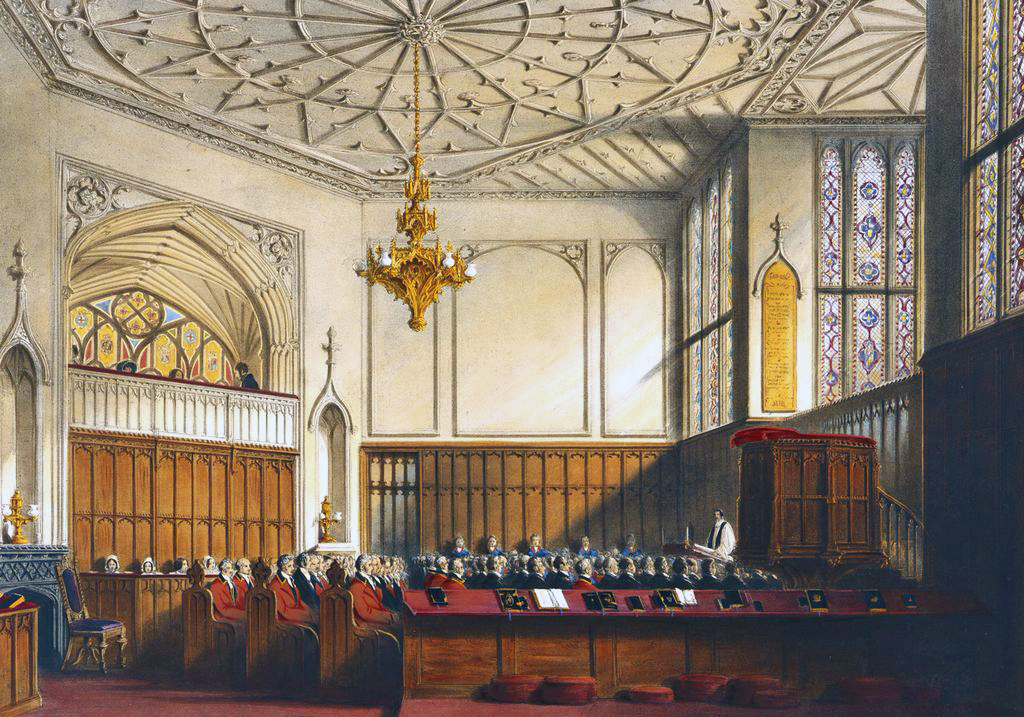
1992 Windsor Castle Fire
The message from Windsor Castle's Chief Fire Officer to Reading fire station at 11:36 on the morning of 20 November 1992 was almost absurdly composed: "Windsor Castle here; we have got a fire in the Private Chapel. Come to the Quadrangle as arranged." By then, the fire had already been burning for twenty-one minutes, spreading from the Queen's Private Chapel through the State Apartments of the largest inhabited castle in the world. Before it was brought under control fifteen hours later, the blaze would damage or destroy 115 rooms, consume 1.5 million gallons of water drawn from the mains, a reservoir, a swimming pool, a pond, and the River Thames, and provoke a national debate about who should pay for a monarch's house.
A Curtain and a Spotlight
The cause was almost comically mundane. A spotlight, pressed against a curtain in the Queen's Private Chapel, ignited the fabric while Royal Household agents were inspecting works of art nearby. The 30-foot curtains dropped to the floor and continued to burn. Staff hurried to remove paintings from the chapel until the intensity of the heat and raining embers forced them out at 11:32. Within minutes, the fire had spread to neighbouring rooms, and the grid-map in the castle's fire watch room lit up with lights flashing across the State Apartments. Building contractors in a nearby room attacked the blaze with extinguishers, buying time but not control.
Saving the Treasures
What followed was one of the most extraordinary salvage operations in British history. Staff and tradesmen joined the castle fire brigade and a volunteer salvage corps to move furniture and works of art from the endangered apartments. A 150-foot table and a 120-foot carpet were carried from the Waterloo Chamber to the castle's riding school. Three hundred clocks, a collection of miniatures, thousands of books and manuscripts, and Old Master drawings from the Royal Library were saved. On fire officers' instructions, the heaviest chests and tables were left behind. Police called in dozens of removal vans from across the Home Counties to transport salvaged items to safe areas of the castle. Five firemen were hospitalised with minor injuries. The losses, though significant, were far lighter than feared: several chandeliers, porcelain pieces, the Willis organ, and part of the 1851 Great Exhibition Axminster carpet. Peter Brooke, Secretary of State for National Heritage, called it a national disaster.
Who Pays for the Crown?
The fire ignited a fiercer debate than any that had burned in the castle. Windsor, like other occupied royal palaces, was uninsured -- too valuable for any policy to cover. Initial estimates put restoration costs at 60 million pounds, and the Heritage Secretary suggested the public purse should pay. The outcry was immediate. Britain was deep in recession, and the idea that taxpayers should repair a billionaire monarch's residence struck many as grotesque. The compromise, announced on 29 April 1993, was calculated to defuse the anger: 70 percent of the cost would come from charging the public to enter Buckingham Palace during its summer opening, and the Queen would contribute two million pounds of her own money. More consequentially, she agreed to begin paying income tax from 1993 -- the first British monarch to do so since the 1930s. The fire, which the Queen described as part of her "annus horribilis," had broken something more than stone and timber.
The Largest Green-Oak Roof Since the Middle Ages
The restoration, led by Donald Insall Associates with Giles Downes designing the new interiors, took five years and cost 36.5 million pounds -- well under the original estimate. The greatest achievement was the new roof of St George's Hall: a hammer-beam ceiling of green oak, the largest such structure built since the medieval period, decorated with brightly coloured shields celebrating the heraldry of the Order of the Garter. Downes's Gothic woodwork creates an illusion of height that compensates for the hall's originally squat proportions -- an architectural improvement that the fire, perversely, made possible. The new Lantern Lobby features oak columns forming a vaulted ceiling that imitates the form of an arum lily. More than half the damaged rooms were restored to their original appearance, while the Private Chapel and several other spaces received contemporary designs. The Queen held a reception in the restored St George's Hall on 17 November 1997, almost exactly five years after a spotlight set a curtain alight.
From the Air
Located at 51.48N, 0.60W. Windsor Castle dominates the town from its position above the Thames, its distinctive Round Tower visible for miles. The fire damage was concentrated in the northeastern section of the Upper Ward, including St George's Hall and the State Apartments. Eton College is visible across the river to the north. Nearest airports: EGLL (Heathrow, 8nm east), EGLF (Farnborough, 15nm southwest). The Great Park extends south of the castle.