2003 Rocori High School Shooting
Cold Spring, Minnesota, sits in the granite country of Stearns County, a quiet community of a few thousand people roughly 20 miles southwest of St. Cloud. Rocori High School served Cold Spring and the neighboring towns of Richmond and Rockville -- the name itself a portmanteau of all three. On the morning of September 24, 2003, the school day had barely begun when gunfire erupted near the locker rooms. Two students would not survive. The shooting shattered the assumption that violence of this kind only happened somewhere else, and the legal and emotional reckoning that followed stretched on for years.
Sixteen Seconds That Changed Everything
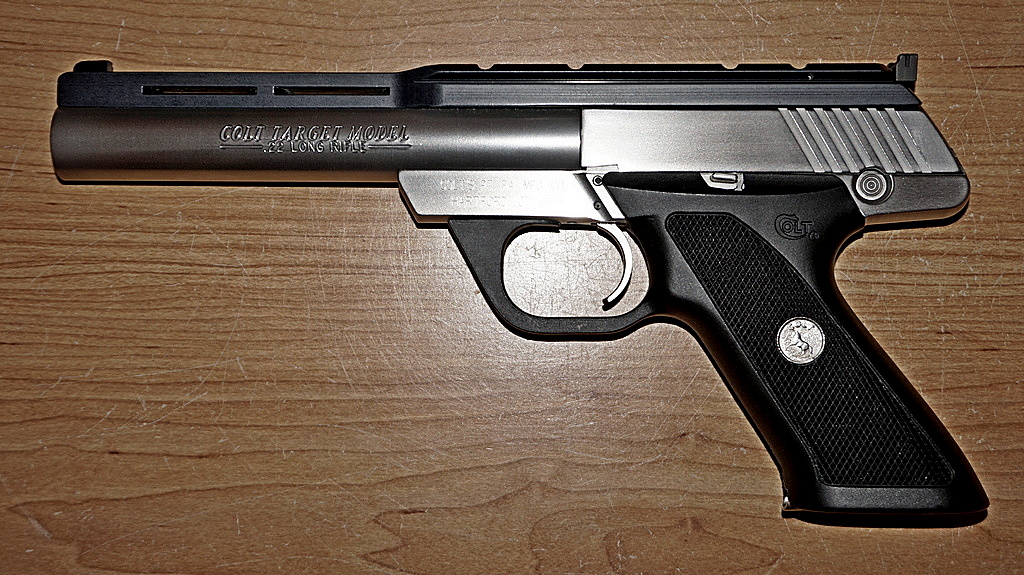
Fifteen-year-old freshman John Jason McLaughlin arrived at school that morning carrying a Colt .22 caliber handgun. He later told police he had planned the shooting several days in advance, targeting fellow freshman Seth Bartell, age 14, who McLaughlin claimed had bullied him over his acne. McLaughlin encountered Bartell and 17-year-old senior Aaron Rollins as they exited the locker room. He fired at Bartell, striking him in the chest. A second shot intended for Bartell missed and hit Rollins in the neck, killing him instantly. McLaughlin followed the fleeing Bartell and fired again, hitting him in the forehead. Gym coach Mark Johnson then confronted the shooter. McLaughlin initially pointed the weapon at Johnson but then emptied the remaining bullets from the gun and dropped it. Johnson secured the weapon and escorted McLaughlin to the school office. Bartell was rushed to St. Cloud Hospital with severe head and brain trauma. He died sixteen days later, on October 11, 2003.
A Community in the Crosshairs
The shooting stunned a region that thought of itself as safe and close-knit. Cold Spring was the kind of place where people left doors unlocked. NFL wide receiver Eric Decker, who attended Rocori and later played for the Denver Broncos, would later speak publicly about his experience as a student during the shooting, describing the lasting psychological impact on those who lived through it. The tragedy forced the community into an unwelcome spotlight, with national media descending on a town that had no framework for processing such an event. Grief counselors were brought in. Vigils were held. The school year continued, but nothing about it felt normal. For the families of Seth Bartell and Aaron Rollins, the loss was absolute and permanent -- two boys who should have had decades ahead of them, gone in seconds.
Trial and Judgment
McLaughlin's trial did not begin until July 5, 2005, nearly two years after the shooting. His defense team argued he had not planned to kill anyone and had only intended to frighten Bartell. Prosecutors countered with McLaughlin's own words: he told police he had planned the attack several days in advance. Six mental health experts testified. McLaughlin's attorneys sought an insanity ruling that would have sent him to a psychiatric facility rather than prison, but the judge rejected the argument, citing McLaughlin's detailed writings and a videotaped confession in which he described his planning. In August 2005, McLaughlin received two consecutive sentences: life in prison for the first-degree murder of Seth Bartell and twelve years for the second-degree murder of Aaron Rollins. He was also ordered to pay $15,000 in restitution to the Minnesota Crime Victims Reparations Board. He will not be eligible for parole until 2038.
Accountability Beyond the Shooter
In September 2006, the families of both victims filed a wrongful death lawsuit against the McLaughlin family, the Rocori school district, and former principal Doug Standke. The families alleged that the school had received prior warning about a potential shooting roughly a week before it occurred and failed to act. The lawsuit was initially dismissed but was later settled out of court for $200,000. The settlement left unresolved the broader question of institutional responsibility -- what schools owe their students when warning signs emerge, and what accountability looks like when prevention fails. For Cold Spring and the surrounding communities, the Rocori shooting became a permanent marker in local memory, a dividing line between before and after. The school still stands. The town endures. The questions the tragedy raised about bullying, warning signs, and community responsibility continue to resonate far beyond Stearns County.
From the Air
Located at 45.463N, 94.428W in Stearns County, central Minnesota, approximately 20 miles southwest of St. Cloud. Cold Spring sits in granite quarry country along the Sauk River. The town is visible from the air as a compact residential area surrounded by agricultural land and scattered lakes. The nearest major airport is St. Cloud Regional Airport (KSTC), approximately 15 nm to the northeast. Minneapolis-St. Paul International (KMSP) is roughly 65 nm to the southeast. The terrain is flat to gently rolling farmland. The high school is located on the south side of town.
Sources
- 2003 Rocori High School shooting - Wikipedia
- Cold Spring School Shooting - Minnesota Public Radio
- Eric Decker on experiencing school shooting
- Teen killer ruled sane - CBS News
- Wikipedia - 2003 Rocori High School shooting
- Rocori timeline - Inforum
- MPR - McLaughlin consecutive sentences
- Eric Decker - Wikipedia
- Twin Cities - Lawsuit settled