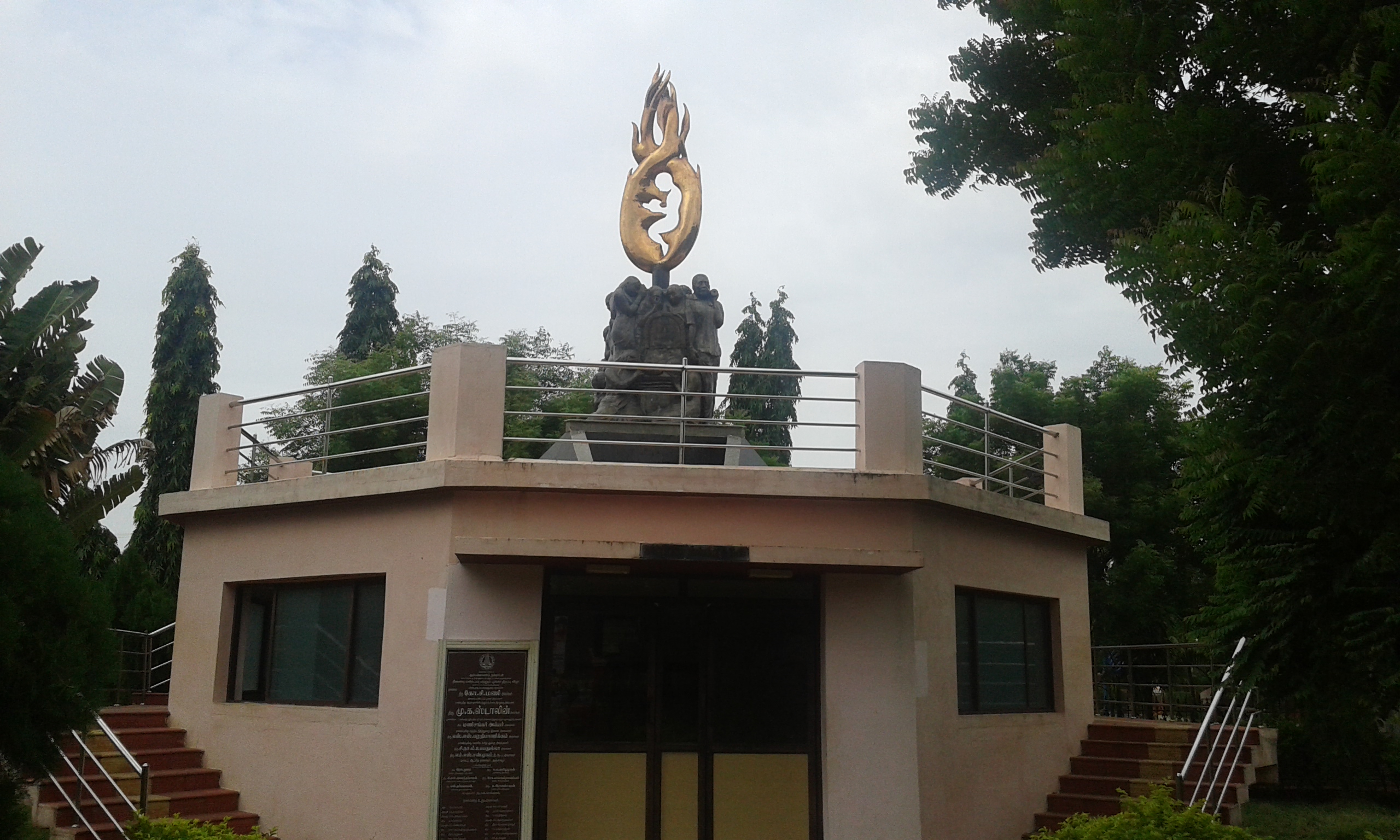
2004 Kumbakonam School Fire
They were children -- five, six, seven, eight, nine years old -- sitting in classrooms when fire broke out on the morning of July 16, 2004, in Kumbakonam, a temple town in Tamil Nadu's Thanjavur District. By the time it ended, 94 of them were dead. The school where they studied had thatched roofing over its kitchen and classroom, no emergency exits, and had not been inspected by education officials for three years. Fire investigators would later call the building a "death trap." The 2004 Kumbakonam school fire became one of the deadliest school disasters in Indian history, and its aftermath exposed systemic failures that reached far beyond one unlicensed school.
A School That Should Not Have Existed
The Krishna English Medium Private Primary School was run by Pulavar Palanichamy and his wife Saraswati. The school operated without proper licensing, its buildings violated basic safety codes, and the education department had not conducted an inspection in three years. The kitchen, where the midday meal was prepared, shared thatched roofing with an adjacent classroom. There were no fire extinguishers and no emergency exits. The children inside -- most of them from families who trusted this school with the most precious thing they had -- were trapped when fire from the kitchen spread through the thatch to the classroom. Some eyewitness accounts from surviving students described teachers telling children to remain in their classrooms, believing the smoke was routine kitchen smoke. Whether from panic, confusion, or negligence, the response failed the children entirely.
Ninety-Four Lives
The number is almost impossible to hold in the mind: 94 children, each with a name, a family, a seat in a classroom that morning. They ranged from first to fourth graders. The scale of loss devastated Kumbakonam. Parents who sent their children to school that morning received them back as bodies. The state government provided compensation of one lakh rupees to families of the deceased, with smaller amounts to the severely injured. Counseling sessions were organized for traumatized survivors, and arrangements were made to transfer surviving students to other schools. But no amount of administrative response could address the fundamental wrong -- that these children died in a building that everyone responsible should have known was unsafe.
The Failures That Compounded
The Tamil Nadu state government appointed a commission under Justice K. Sampath on July 20, 2004, to investigate. The committee, which included education specialists, a fire safety expert, and a clinical psychologist, worked for nearly a year before completing its findings on June 30, 2005. What they found was systemic collapse at every level. Building codes had been ignored. Fire safety standards under Chapter IV of the National Building Code were unenforced. Education officials at the district level had failed to inspect the school or verify its licensing. The investigation revealed that some teachers had escaped the fire unharmed while children burned. A public interest litigation filed in the Supreme Court of India by Avinash Mehrotra cited this tragedy to argue for enforceable safety standards in schools nationwide -- a case that recognized the Kumbakonam fire not as an isolated failure but as a symptom of something far larger.
Justice, Delayed
The trial did not begin until September 24, 2012 -- more than eight years after the fire. The case involved 21 accused and 488 witnesses, including 18 children who had survived the blaze and now had to relive it in a courtroom. On July 30, 2014, the Thanjavur district sessions court handed down its verdict. School founder Pulavar Palanichamy received a life sentence. His wife Saraswati, the headmistress, the noon meal organizer, and the cook each received five years. Four education department officials who had enabled the school's continued operation through negligence and collusion also received five-year sentences. Eleven others, including three teachers and several municipal officers, were acquitted. A memorial park was later constructed near Palakarai in Kumbakonam, opened in 2010. In 2012, twenty-five families of the victims built an Amritha Vinayagar temple on a nearby housing colony. The memorials stand as reminders -- not of an accident, but of a preventable catastrophe.
From the Air
Located at 10.97N, 79.42E in Kumbakonam, Thanjavur District, Tamil Nadu, India. Kumbakonam is a densely built temple town in the Kaveri delta region, identifiable from the air by its many temple gopurams rising above the low urban landscape. The nearest airport is Tiruchirappalli International Airport (VOTR/TRZ), approximately 90 km to the southwest. The town sits between the Kaveri and Arasalar rivers. Approach from the east to see the delta plain stretching toward the Bay of Bengal.