2009 Pishin Bombing
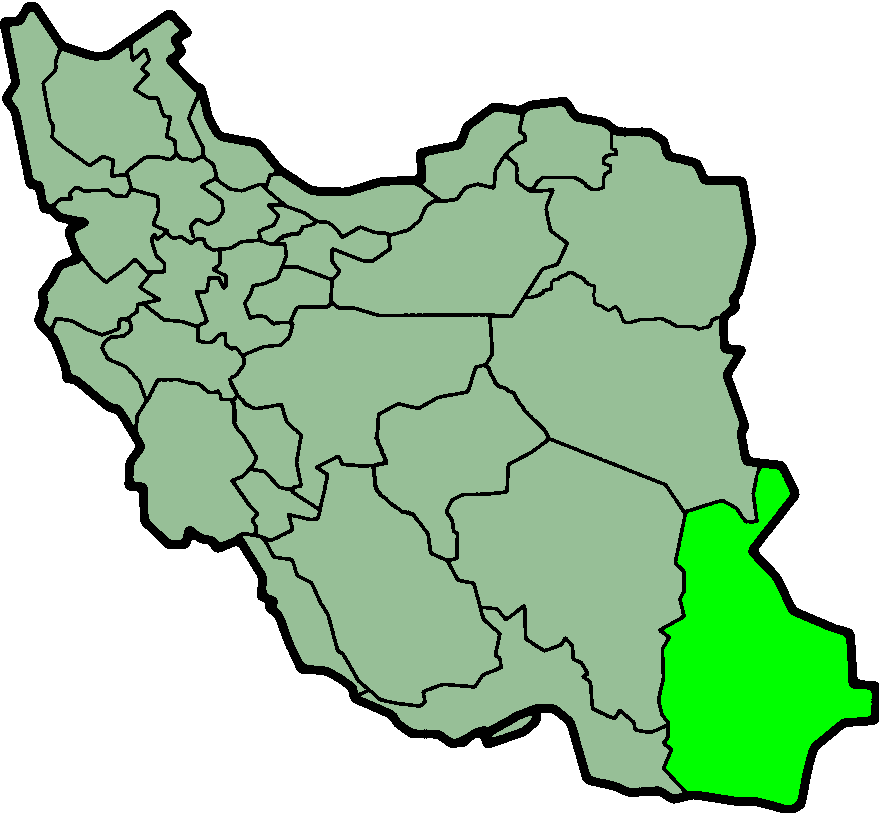
On October 18, 2009, a suicide bomber walked into a meeting in the town of Pishin, in Iran's Sistan and Baluchestan Province, and detonated explosives. Forty-three people died, including Noor Ali Shooshtari, the deputy commander of the Revolutionary Guard's ground forces, and three other senior military commanders. Another 150 were wounded. It was one of the deadliest attacks on the Islamic Revolutionary Guard Corps in the organization's history, and it triggered a chain of accusations between Iran, Pakistan, the United States, and the United Kingdom that exposed the volatile fault lines running through one of the world's most troubled border regions.
The Attack
The meeting targeted by the bomber had brought together military leaders and senior tribal figures in Pishin, a small town in the volatile Sistan-Baluchestan region near the Pakistani border. The dead included Shooshtari, the second-highest-ranking officer in the Revolutionary Guard's ground forces; Rajab Ali, the provincial commander; the commander for the town of Iranshahr; and the commander of the Amir Al-Momenin unit. About ten senior tribal leaders also perished. These were not anonymous casualties. They represented the Iranian state's military and political authority in a region where that authority had long been contested. The Revolutionary Guard commanders were buried two days later in a military funeral attended by thousands of mourners.
The Blame Spreads
The Sunni militant group Jundallah, which had been conducting attacks against Iranian government targets in Sistan-Baluchestan for years, claimed responsibility. But Iran's accusations reached far beyond the immediate perpetrators. Tehran blamed the United States, Saudi Arabia, and the United Kingdom for supporting Jundallah. The United States denied involvement. President Mahmoud Ahmadinejad vowed a swift response, telling state media that the criminals would soon answer for their inhuman crimes. The United Nations Security Council condemned the attack. Iran then turned its fury toward Pakistan, accusing Pakistani agents of involvement and demanding the handover of Jundallah leader Abdolmalek Rigi. Pakistan's Interior Minister Rehman Malik denied Rigi was on Pakistani soil, claiming he could point to the militant's exact location in Afghanistan. Pakistan eventually handed over Rigi's brother to Iran.
A Borderland Under Siege
The Pishin bombing did not occur in isolation. It was part of a pattern of violence that had plagued Iran's Sistan-Baluchestan province for years. The region, home to a predominantly Sunni Baloch population in a Shia-majority country, has long been a source of tension. Jundallah, founded in the early 2000s, had previously carried out the 2007 Zahedan bombings and a series of smaller attacks targeting military and government personnel. The group drew on ethnic and sectarian grievances among the Baloch population, framing its attacks as resistance to what it characterized as persecution by the Iranian government. The porous border with Pakistan's own Balochistan province provided logistical support and escape routes. For the people living in this borderland -- Baloch communities caught between rival state powers and militant groups -- the violence represented not just a political crisis but a daily reality of checkpoints, suspicion, and fear.
Consequences and Capture
Several suspects were arrested by Iranian authorities in the weeks following the attack. The broader consequences played out over months. Iran intensified its security operations in Sistan-Baluchestan, tightening control over a region already under heavy military presence. The diplomatic fallout with Pakistan deepened the distrust between two neighbors who share a border but little else in terms of strategic interests. Abdolmalek Rigi himself was captured by Iran in February 2010, reportedly pulled off a flight traveling from Dubai to Kyrgyzstan. He was executed in June 2010. His capture and execution marked the effective end of Jundallah's leadership, though splinter groups continued operations in the region. The Pishin bombing remains a painful marker in the history of Iran's Baluchestan -- a place where geography, ethnicity, and geopolitics converge with lethal consequences.
From the Air
Pishin lies at approximately 26.087N, 61.760E in Iran's Sistan and Baluchestan Province, near the Pakistani border. The terrain is arid and rugged, characteristic of the Baluchestan highlands. The nearest significant airport is at Iranshahr. The region is sparsely populated, with scattered settlements visible against brown, barren terrain. The Iran-Pakistan border runs roughly north-south approximately 100 km to the east.