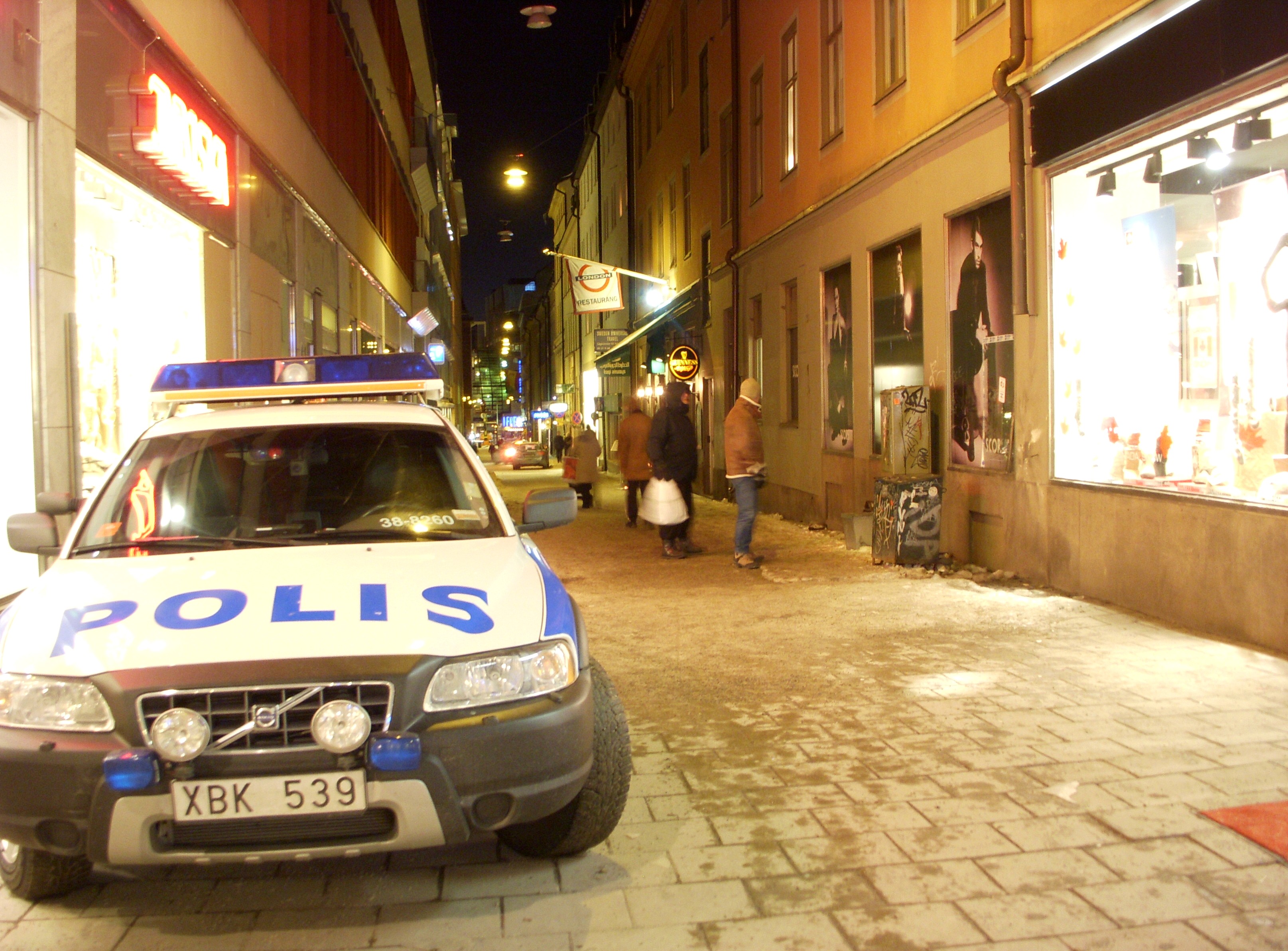
2010 Stockholm Bombings
At 4:48 PM on December 11, 2010, an Audi 80 Avant exploded at the intersection of Olof Palmes gata and Drottninggatan, one of Stockholm's busiest shopping streets. Bottles of liquefied petroleum gas inside the car triggered secondary explosions as thousands of Christmas shoppers fled in confusion. Minutes later, three hundred meters away, a man wearing a bomb vest detonated himself in a side street. He was the only fatality. Swedish Foreign Minister Carl Bildt would later tweet that the failed attack could have been 'truly catastrophic.' The FBI estimated that had the bombs functioned as intended, between thirty and forty people would have died.
A Saturday in December
Central Stockholm pulsed with the energy of the Christmas shopping season. Drottninggatan, the long pedestrian street cutting through the city center, overflowed with families, tourists, and last-minute gift hunters. When the car bomb detonated, witnesses reported seeing bottles of liquefied gas erupt in a chain of explosions. Near the site, investigators found a metal pipe and a rucksack filled with metal fasteners and what appeared to be explosives. According to witnesses, the bomber shouted something in Arabic before the second explosion. Swedish bomb experts would later characterize the devices as amateurishly produced. Prosecutors believe the bombs detonated prematurely, that the bomber was likely heading toward Stockholm Central Station or the Åhléns department store when something went wrong.
The Path to Radicalization
Taimour Abdulwahab al-Abdaly was born in Iraq in 1981 and grew up in Sweden, completing secondary school in 2001. He moved to England to study sports therapy at the University of Bedfordshire, graduating in 2004. That same year he married a Swedish citizen of Iraqi and Romanian background. They would have three children together. By 2007, al-Abdaly had begun traveling repeatedly to Jordan and Iraq. Reports indicated he became increasingly religious and angry. During Ramadan that year, he attempted to recruit other Muslims at a Luton mosque to his political views, storming out when confronted. His Facebook profile revealed a strange mixture: posts about his Apple iPad alongside references to the Islamic Caliphate and apocalyptic prophecy.
Warnings Unheeded
The attack might not have been entirely unexpected. A member of the Swedish Armed Forces reportedly sent a message to an acquaintance hours before the bombings: 'If you can, avoid Drottninggatan today. A lot can happen there... just so you know.' The military denied prior knowledge but promised to investigate. A second government employee reportedly had advance information as well. Terrorism expert Magnus Ranstorp of the Swedish National Defence College believed al-Abdaly had not acted alone. Background coughing heard on an audio message the bomber left behind suggested accomplices. Investigation revealed he had used at least three different passports to travel to the Middle East without raising flags. His wife later admitted to uploading uncensored recordings of his final message to YouTube the day after his death.
A Nation Responds
Prime Minister Fredrik Reinfeldt addressed the nation the following day. 'What occurred is unwanted and unacceptable,' he said. 'We must safeguard the open society where people can live together side by side.' The Muslim Council of Sweden condemned the attack as an assault on both Sweden and Swedish Muslims. Mosques across the country issued formal denunciations during Friday prayers. Internationally, condemnations poured in from across Europe, the Middle East, and beyond. Finland's Foreign Minister Alexander Stubb noted that nothing similar had ever happened in the Nordic countries. The bombing remains a watershed moment in Swedish history, a reminder that even the most peaceful societies are not immune to the violence that stalks the modern world.
From the Air
Located at 59.34°N, 18.06°E in central Stockholm, near the intersection of Drottninggatan and Olof Palmes gata. The area is in the heart of the city's commercial district, identifiable from the air by the dense urban grid north of Gamla Stan (Old Town). Nearby airports include Stockholm Bromma (ESSB, 5nm west) and Stockholm Arlanda (ESSA, 25nm north). The central train station is visible nearby. Best observed from 2,000-4,000 feet in clear conditions when the city's waterways and bridges are clearly visible.