2013 Glasgow Helicopter Crash
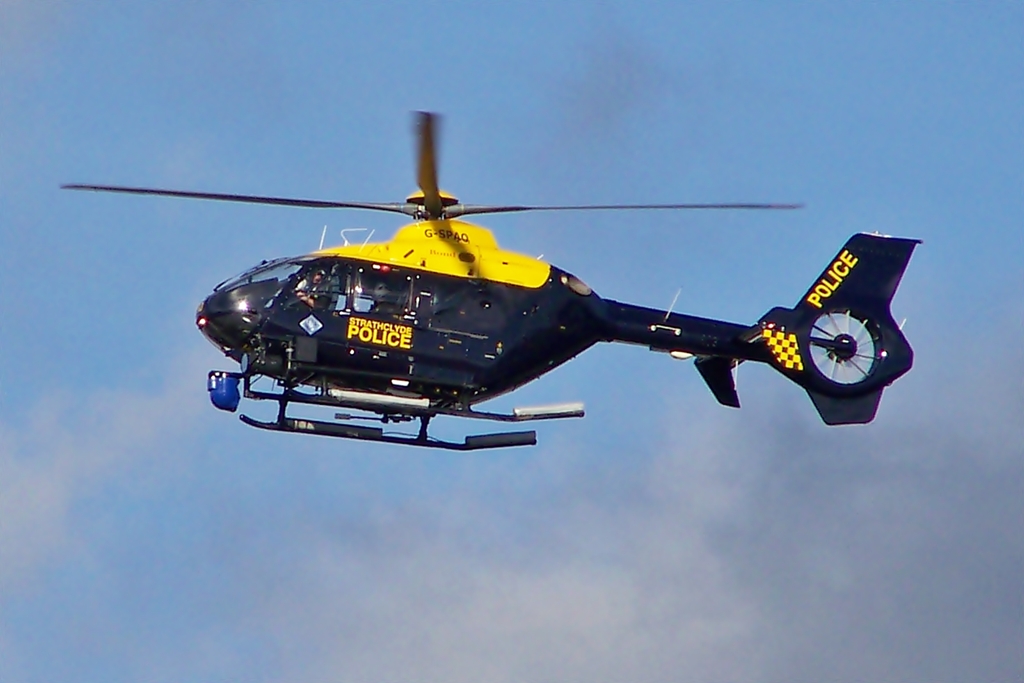
Esperanza, a ska band, was midway through their set at The Clutha pub on the banks of the River Clyde. Around 120 people filled the bar on the evening of 29 November 2013, a Friday night like any other in Glasgow's music scene. Then, without warning or distress call, a Eurocopter EC135 police helicopter fell from the sky and crashed through the roof. Ten people died. The name of the pub was grimly fitting -- Clutha is the Latin word for the Clyde.
A Friday Night Silenced
The helicopter, operated by Bond Air Services for Police Scotland, had been on a routine patrol. It had flown to Dalkeith in Midlothian, about 44 miles east, before returning to the Glasgow area. The aircraft carried a pilot and two police officers. When it plunged into The Clutha, the collapsing roof trapped dozens of people beneath debris. Six pub patrons were killed immediately, along with all three on board. The Scottish Fire and Rescue Service deployed 125 firefighters, who spent hours extracting survivors from the wreckage. One of the seriously injured, pulled from the rubble alive, died from his injuries on 12 December, bringing the final death toll to ten.
Five Warnings Ignored
The Air Accidents Investigation Branch published its final report in October 2015, and the findings were troubling. The crash resulted from fuel starvation -- but not because the helicopter was out of fuel. Seventy-three kilograms of usable fuel sat in the main tank at the time of the crash. The fuel transfer pumps had been switched off "for unknown reasons," cutting the supply to the engines. The pilot had received five separate low-fuel warnings but failed to land within ten minutes as emergency checklists required. When both engines flamed out, an attempted autorotation landing failed, partly because the engine shutdown left the radar altimeter and landing light unpowered, robbing the pilot of height information in the dark.
A City in Mourning
Glasgow's response was swift and deeply felt. Planned St. Andrew's Day celebrations in George Square were cancelled the next morning. Flags on Scottish Government buildings flew at half-mast. Special services were held at both St Andrew's Cathedral and Glasgow Cathedral. The Prince of Wales visited the crash site on 6 December. A weekend of fundraising events for the victims' families and emergency services followed in January. The crash struck a nerve because The Clutha was not some anonymous building -- it was a beloved music venue, a place where Glasgow's live music community gathered. The randomness of the tragedy, striking people simply enjoying a night out, shook the city.
No Criminal Charges, No Answers
A fatal accident inquiry ran for 31 days between April and July 2019. Sheriff Principal Craig Turnbull's determination, published in October 2019, made no recommendations. The Crown Office confirmed that no criminal charges would be brought. The helicopter had not been fitted with a flight data recorder or cockpit voice recorder at the time -- a gap that hampered the investigation. Why the fuel transfer pumps were switched off remains unknown. The AAIB made seven safety recommendations, and the Civil Aviation Authority subsequently mandated that all police helicopters be fitted with both cockpit voice recorders and flight data recorders by March 2020.
The Clutha Returns
The Clutha pub partially reopened in July 2015. Scotland's First Minister Nicola Sturgeon attended the ceremony. A mural of the ten victims now adorns the building's exterior, and the venue has resumed its place in Glasgow's music calendar. For those who were there that night, and for a city that had already endured the bin lorry crash the following December, the reopening was an act of defiance as much as recovery. Glasgow does not forget its dead, but it refuses to let tragedy define the places where its people gather.
From the Air
The Clutha pub sits at 55.85°N, 4.25°W on Stockwell Street, on the north bank of the River Clyde in central Glasgow. The crash site is near the Victoria Bridge, approximately 0.5 nm southeast of Glasgow Central Station. Nearest airport: Glasgow International (EGPF, 6 nm west). The dense urban center and proximity to the Clyde make the area identifiable from the air. This is a solemn location; the mural on the pub's exterior is visible from street level.