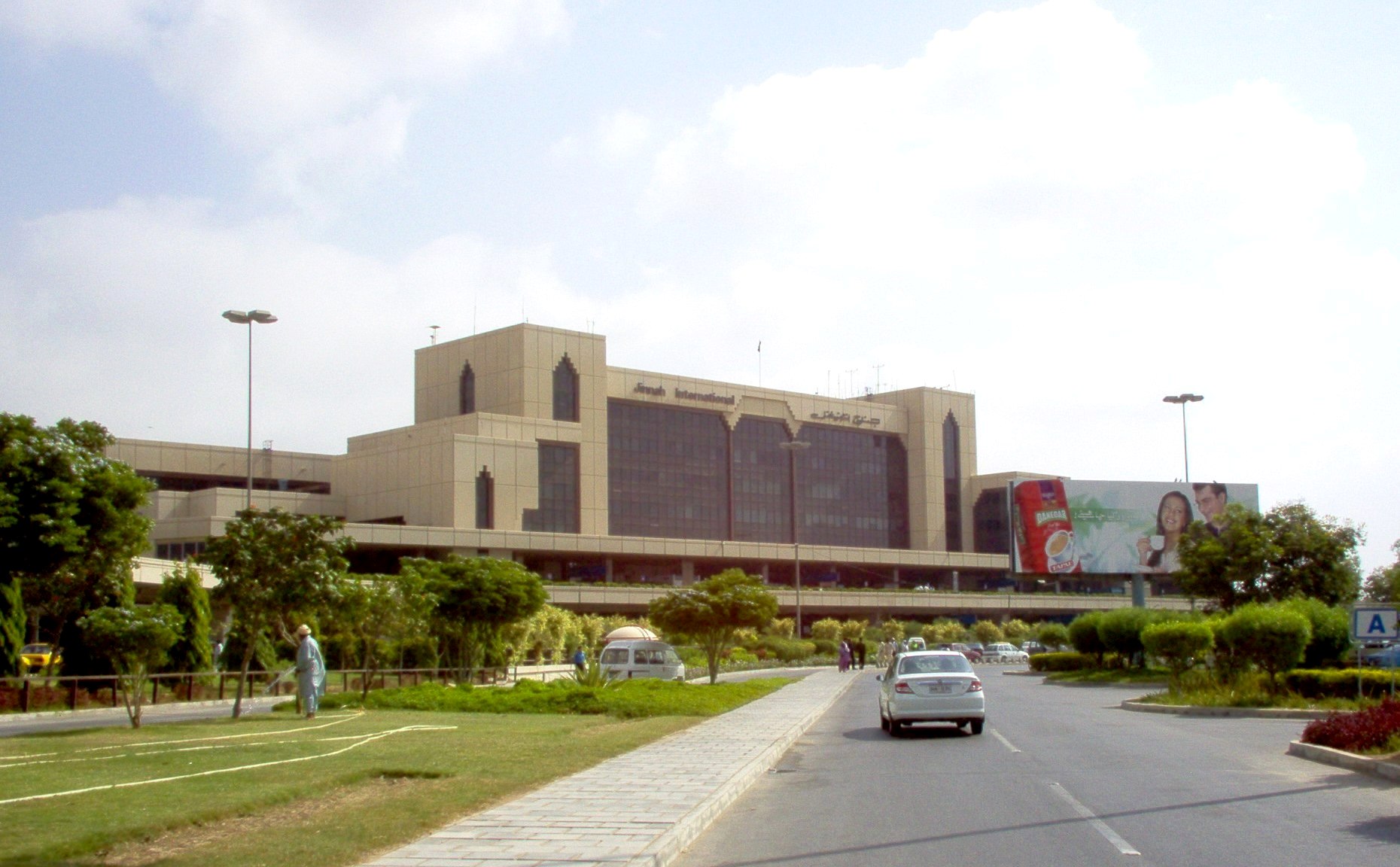
2014 Jinnah International Airport Attack
At 11:10 PM on June 8, 2014, ten men dressed in the uniforms of Pakistan's Airports Security Force drove through a checkpoint at Jinnah International Airport in Karachi. They carried automatic weapons, hand grenades, rocket-propelled grenades, and wore suicide vests beneath their disguises. Within minutes, the largest civilian airport in Pakistan became a battlefield.
Five Hours of Darkness
The Airports Security Force troops on duty that night did not wait for reinforcements. As the militants pushed toward the airport's core, ASF personnel engaged them directly, eliminating eight of the ten attackers within two hours. The remaining two detonated their suicide vests when cornered. By the time hundreds of Rangers, police, and army troops arrived roughly 90 minutes after the first shots, the ASF had already neutralized the majority of the threat. The siege officially ended after five hours. Thirty-six people died in total: all ten attackers, twelve ASF personnel, one Pakistan Rangers soldier, a Sindh Police official, four Pakistan International Airlines employees, and seven cargo workers whose burned bodies were recovered from a cold storage facility after a 28-hour rescue operation. At least 18 security personnel were injured.
The Attackers and Their Mission
The Tehrik-i-Taliban Pakistan claimed responsibility, calling the assault retaliation for the drone strike that killed their former chief Hakimullah Mehsud in North Waziristan in November 2013. The TTP confirmed that all ten attackers were ethnic Uzbeks belonging to the Islamic Movement of Uzbekistan, an Al-Qaeda-affiliated organization that had established a presence in Pakistan's tribal border areas after fleeing Afghanistan following the US-led invasion of 2001. A TTP spokesman explained the target selection bluntly: they chose the airport expecting more security personnel and fewer civilian casualties. The stated primary goal was to disrupt NATO supply lines running through Pakistan to Afghanistan. Two cargo warehouses storing NATO supplies caught fire during the attack and burned for four days.
Aftershocks Beyond the Tarmac
Two PIA aircraft, a Boeing 747 and an Airbus A310, sustained bullet and shrapnel damage. An Air Indus Boeing 737 was also hit. The economic fallout rippled outward: Cathay Pacific canceled its Karachi routes, Ireland scrapped a planned cricket tour to Pakistan, and Karachi's business community warned that the attack would drive foreign investors away from the country. Just two days later, on June 10, militants opened fire near an ASF training academy in the Pehlwan Goth neighborhood of Karachi, though they retreated quickly. The airport attack became a catalyst for Operation Zarb-e-Azb, a major military offensive launched in North Waziristan on June 15, 2014, that targeted militant strongholds in the tribal areas.
The Cost of Courage
The twelve ASF officers who died that night were mostly the first responders who met the attackers head-on. Their funerals drew public mourning across Karachi. The attack exposed longstanding security concerns, including reports that the airport had been using discredited handheld bomb-detection devices previously sold by a convicted British conman. Yet it also demonstrated the bravery of the security personnel who contained a well-armed assault before military backup arrived. In the weeks that followed, Pakistan's civil and military leadership convened emergency sessions on internal security, and the nation's armed forces escalated aerial bombardments of militant hideouts in the tribal regions. The attack remains one of the deadliest assaults on a civilian airport in modern history.
From the Air
Jinnah International Airport is located at 24.91N, 67.16E in Karachi, Sindh. ICAO code: OPKC. The airport is Pakistan's busiest and serves as the primary gateway to the Sindh province. From altitude, the airport's runways and terminal complex are clearly visible south of the Karachi metropolitan area. The 2014 attack site was concentrated around the old terminal and cargo areas on the airport's periphery.