2019 Jolo Cathedral Bombings
Sunday mass was underway at the Cathedral of Our Lady of Mount Carmel in Jolo, Sulu, when the first bomb detonated on the morning of January 27, 2019. A second explosion followed moments later. Twenty people were killed and 102 others injured in twin blasts that shattered a church that had already survived grenade attacks and decades of violence. The bombings came just six days after the province of Sulu, the only one in the region to vote against joining the Bangsamoro Autonomous Region, had rejected the plebiscite by a margin of 163,526 to 137,630. Despite the results, Sulu would be included in the new autonomous region anyway. The timing was not lost on anyone.
A Province on the Edge
Sulu has been a theater of conflict for generations. The Abu Sayyaf Group, a militant organization that has operated in the province for decades, is known for kidnapping foreigners for ransom in the waters of the Sulu and Celebes Seas, for bombings, and for pledging allegiance to the Islamic State. The group has deep roots in the Moro conflict, the long struggle over self-determination for the Muslim population of the southern Philippines. The Philippine National Police believed the cathedral bombings were carried out by ASG members in revenge for relatives killed during Armed Forces of the Philippines operations against the group. The attack was also allegedly funded by ransom money previously paid for the release of an Indonesian hostage, a grim cycle in which one act of violence financed the next.
Twenty Lives
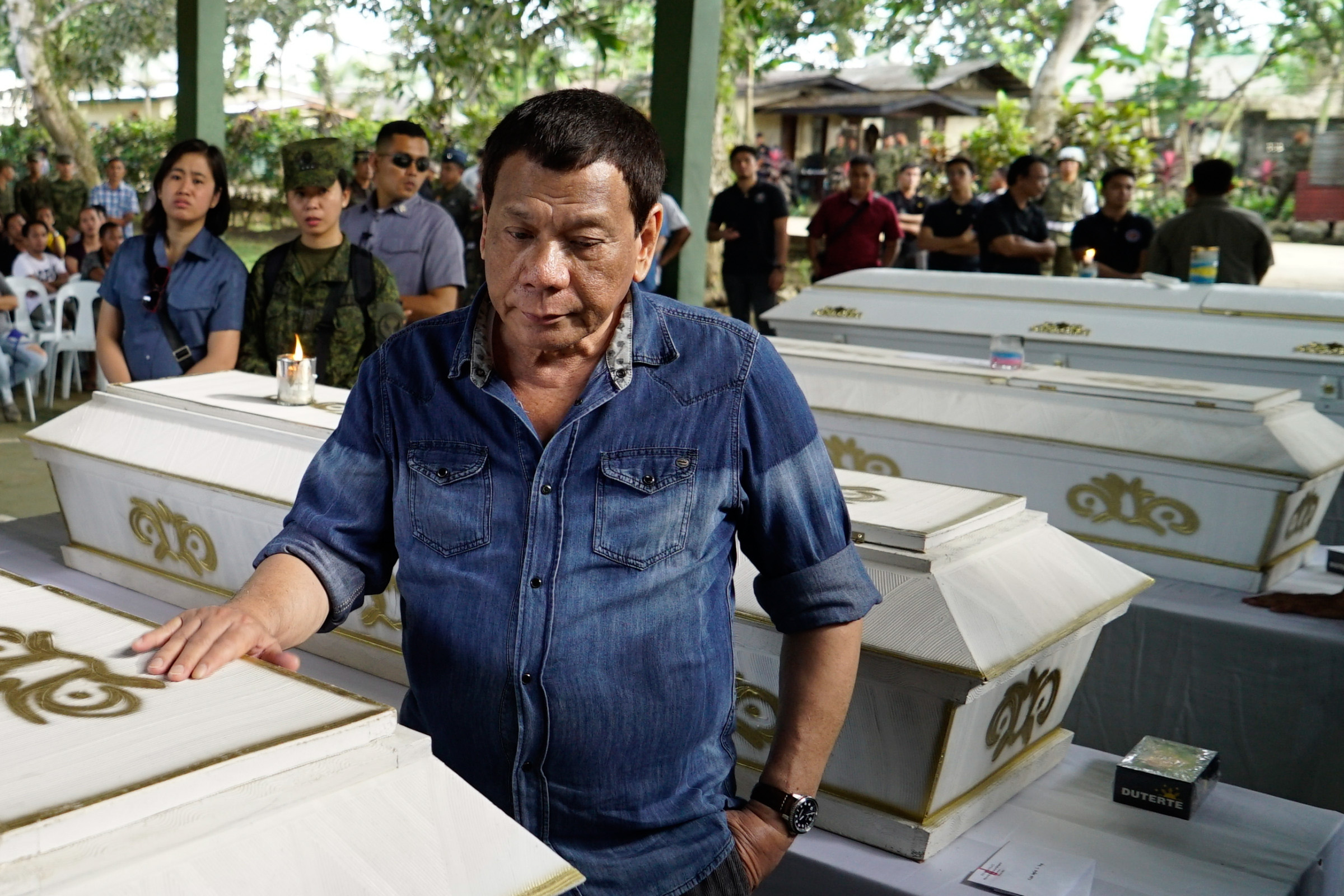
The bombs killed people who had come to worship on a Sunday morning. They were parishioners in a majority-Muslim province where the small Catholic community has maintained its presence for over a century, gathering in a cathedral that dates to 1864. The dead included churchgoers and soldiers providing security. The injured numbered over a hundred, many of them severely wounded by shrapnel in the enclosed space of the church and its immediate surroundings. In the aftermath, President Rodrigo Duterte visited the site the following day. The investigation eventually identified an Indonesian couple with ties to the militant group Jemaah Islamiyah as the bombers, people who had used the Malaysian state of Sabah in Borneo as a transit point to reach Sulu.
Investigation and Arrests
The Philippine authorities described the attack as a Bali-style bombing, with two devices detonated in sequence to maximize casualties. Six persons of interest were initially identified. The main suspect, known as Kamah, and four associates eventually surrendered to authorities. Murder charges were filed against multiple Abu Sayyaf suspects. The Philippine National Police acknowledged security lapses that allowed the attack to occur, and the investigation revealed that intelligence about the bomb plot had been uncovered months before the attack but had not prevented it. Security forces were mobilized across Sulu in the aftermath, and the cathedral, heavily damaged, underwent repairs before being reconsecrated in July 2019, six months after the blasts tore through it.
A Cathedral That Endures
The Cathedral of Our Lady of Mount Carmel has been attacked before. In January 2010, a grenade thrown at the tombs of two former bishops shattered windows but caused no injuries. In May 2010, another grenade exploded in front of the building. The cathedral has been repaired and rebuilt after each assault, a pattern of destruction and restoration that mirrors the broader experience of Jolo's communities. Speaker of the House Gloria Macapagal Arroyo pointed to poverty as a root cause of the violence in Mindanao, a region where decades of conflict have stunted development. The 2019 bombings are part of a longer story of a province caught between competing forces: government and insurgency, Christian and Muslim communities living side by side, and the global reach of extremist ideologies finding purchase in local grievances. The cathedral stands repaired, its congregation returns, and the tension remains.
From the Air
Coordinates: 6.05°N, 121.00°E, in the town center of Jolo, the capital of Sulu Province in the Bangsamoro Autonomous Region. Jolo is a volcanic island visible from altitude, with the town clustered along the northern coast. Jolo Airport (RPVJ) is located nearby, with a single runway. The cathedral sits in the town's commercial center. Zamboanga (RPMZ) is the nearest major airport, approximately 160 km to the northeast across the Sulu Sea.