2024 Baltic Sea Submarine Cable Disruptions
On a November morning in 2024, a fault alarm lit up in Vilnius. Seconds later, one-third of Lithuania's internet capacity went dark. Miles away, off the Swedish island of Oland, a second cable connecting Finland to Germany had also gone silent. Two severed cables, two crime scenes, and one freighter whose anchor had traced a suspiciously straight line across the seabed for a hundred miles.
The Invisible Arteries
Beneath the cold waters of the Baltic Sea runs an invisible nervous system that keeps Northern Europe connected. The BCS East-West Interlink, built in 1997, stretches from Sventoji, Lithuania to Gotland, Sweden. The C-Lion1, operational since 2016, links Finland directly to Germany for the first time. These fiber-optic cables carry data at the speed of light, connecting banks, hospitals, governments, and millions of households. When both went silent on November 17-18, 2024, investigators found the damage sites just miles apart. An Arelion spokesperson delivered the grim assessment: 'It's not partial damage. It's full damage.'
The Ship That Wouldn't Leave
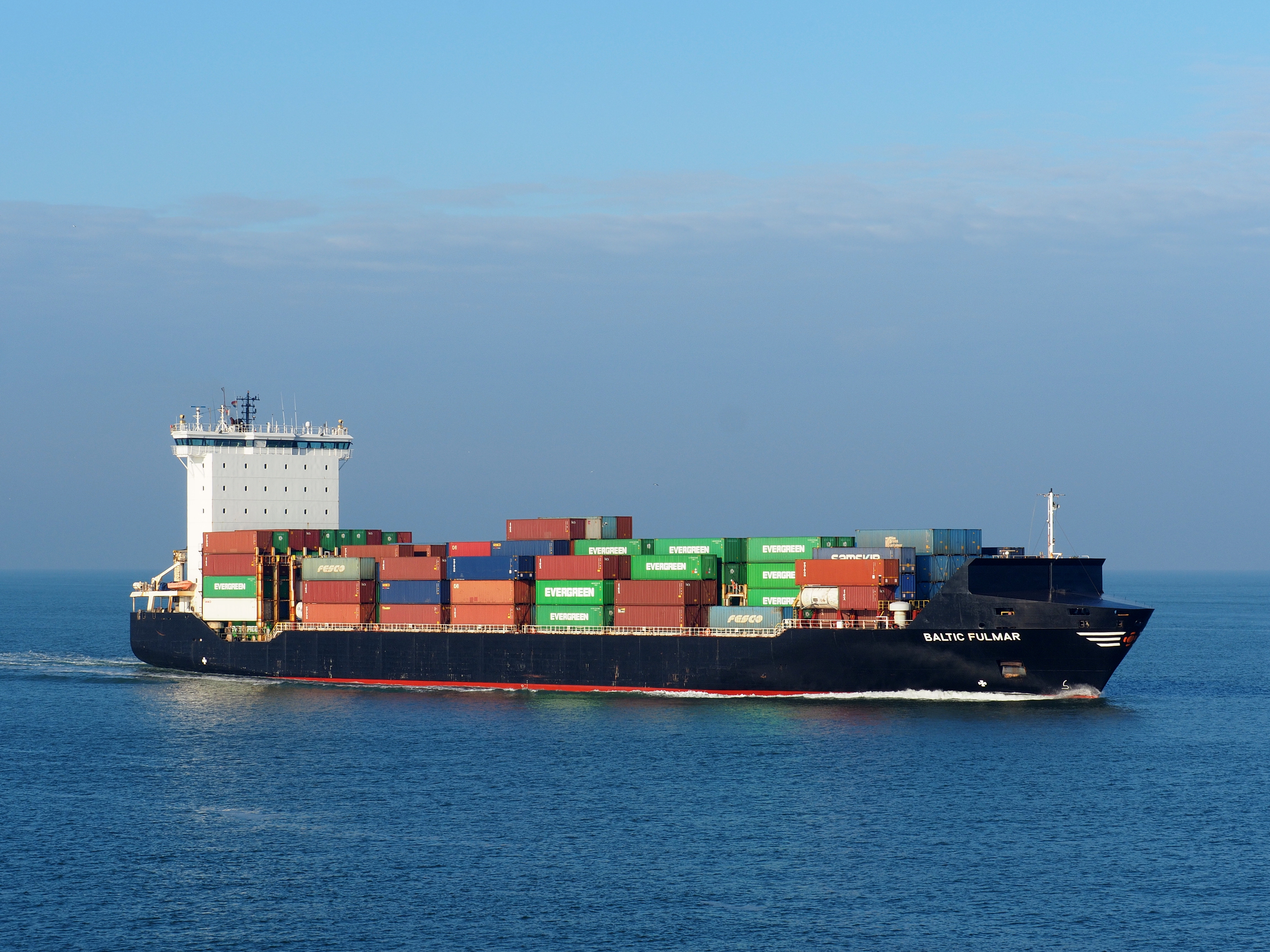
The Yi Peng 3 had departed Russia's Ust-Luga port on November 15 carrying fertilizer. As the freighter passed Gotland, investigators later discovered, it crossed directly over both cable positions. Its automatic identification system went dark for seven and a half hours. When it reappeared south of Oland, the cables were dead. The ship then did something unexpected: it contacted Danish authorities and requested permission to anchor in the Kattegat. For weeks, the Chinese-flagged vessel sat motionless in international waters, surrounded by Danish, Swedish, and German patrol ships that had no legal authority to board without China's permission.
Echoes of Cold War Tactics
German Defense Minister Boris Pistorius called it sabotage. The Kremlin called the accusation 'absurd.' Western intelligence officials came to believe that Russian intelligence had persuaded the ship's captain to drag his anchor deliberately, referencing encrypted communications intercepted between Yi Peng 3 and Russian vessels. The detention marked the first enforcement action under the Convention for the Protection of Submarine Telegraph Cables since 1959. A year earlier, another Chinese vessel, the Newnew Polar Bear, had similarly dragged its anchor across Baltic infrastructure in what investigators called the Balticconnector incident.
A Diplomatic Maze
Maritime law created an impossible puzzle. Under the flag state principle, only China could authorize a full investigation of its own vessel. After weeks of negotiations, investigators from four nations finally boarded Yi Peng 3 on December 19 for a five-hour Chinese-led inspection. Swedish prosecutors were denied access. 'We had the possibility to see what we wanted to see,' said Jonas Backstrand of Sweden's accident investigation authority, though the statement carried careful diplomatic ambiguity. Two days later, the ship weighed anchor and continued toward Egypt. Both cables were restored by November 28, but the questions lingered.
The Shadow War Beneath the Waves
Worldwide, about 200 undersea cables are cut or disrupted annually, usually by fishing equipment or errant anchors. But the Baltic has become a flashpoint. In February 2025, another cable between Finland and Germany was damaged east of Gotland, with sabotage again suspected. The incidents reveal a vulnerability that modern society prefers not to contemplate: the thin glass threads that carry civilization's data lie exposed on the ocean floor, defended by little more than international law and good faith. In these cold northern waters, both appear increasingly fragile.
From the Air
Located at 56.41N, 11.65E in the Kattegat strait between Denmark and Sweden. From the air, you're looking at open water with no visible trace of the drama that unfolded below. The Swedish island of Gotland lies 150 nautical miles to the east. Nearest major airports include Copenhagen (EKCH) to the south and Gothenburg (ESGG) to the north. The Baltic Sea appears calm from altitude, giving no hint of the critical infrastructure buried beneath its surface.