42nd G7 Summit
Mie Prefecture was not even in the running. When the Japanese government's deadline for summit bids closed in August 2014, this rural prefecture on the Shima Peninsula had not submitted a proposal. Then, in December, a member of the Prime Minister's Office personally called the governor of Mie, urging him to enter the race. By January 2015, Mie was officially a candidate. By June, Prime Minister Shinzo Abe announced it had won -- beating out Hiroshima, Kobe, Nagoya, Sendai, and four other cities. The reason said as much about Abe as it did about Mie: the Ise Grand Shrine, Japan's most sacred Shinto site, stood nearby, and Abe was known to postpone meetings to attend its ceremonies.
An Island Chosen for Its Isolation
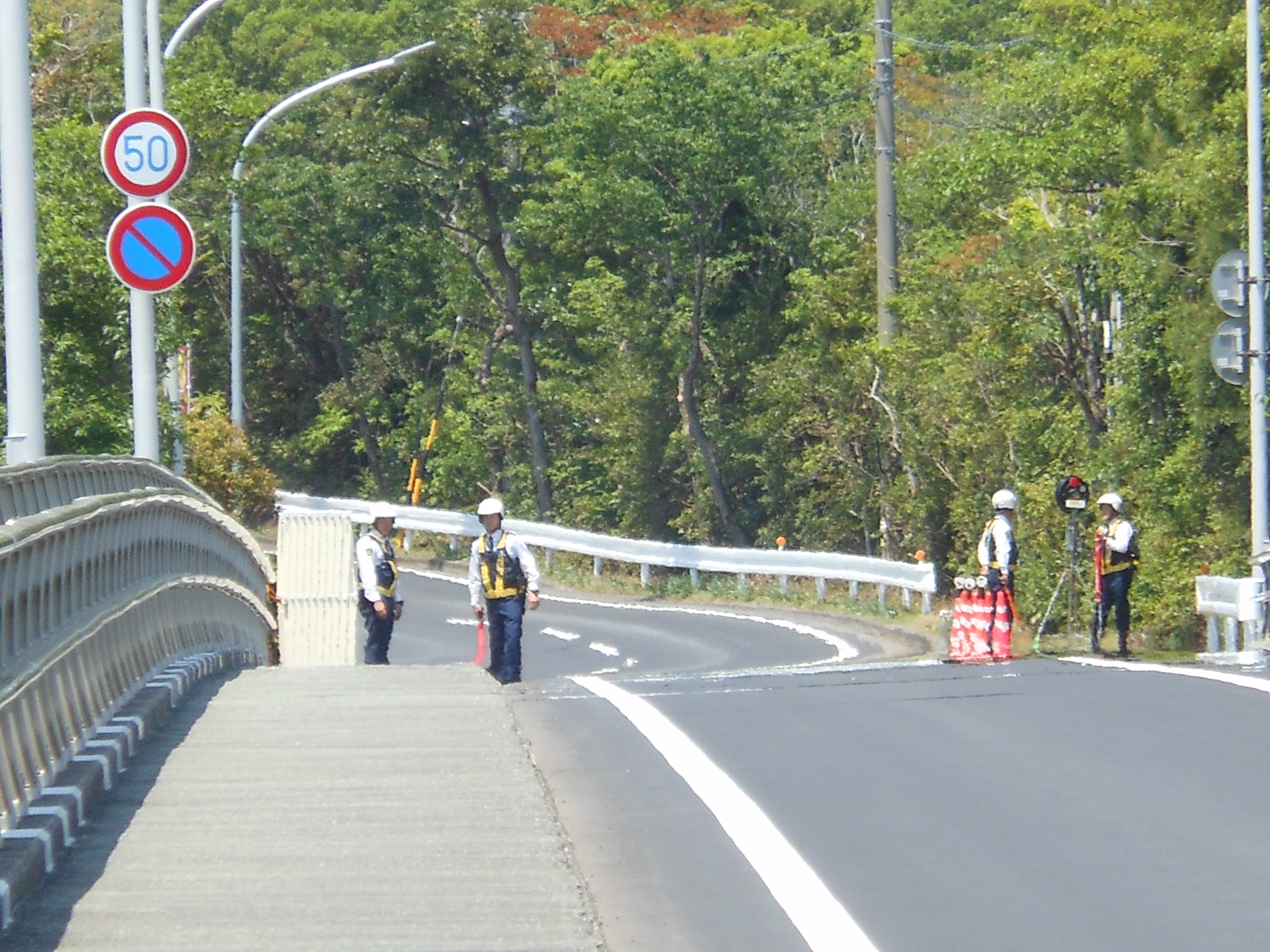
The Shima Kanko Hotel on Kashiko Island, a tiny speck in the rias coastline of Ise-Shima National Park, offered what security planners prize most: natural isolation. The island setting made perimeter control straightforward, while the proximity to Chubu Centrair International Airport in neighboring Aichi Prefecture gave world leaders easy access by air. Eight Japanese cities had competed for the honor, but Shima's combination of seclusion, sacred geography, and Abe's personal connection to Ise Shrine proved decisive. The Ise Grand Shrine, one of Japan's most important religious sites, has regularly hosted visits by the Imperial family and senior political figures, giving the area deep experience with high-security events. On May 26 and 27, 2016, the leaders of seven of the world's most powerful economies gathered on this quiet island overlooking the Pacific.
A Summit of Last Acts
The 42nd G7 summit carried an unusual weight of finality. For Canadian Prime Minister Justin Trudeau, it was a debut -- his first G7 appearance on the world stage. But for four other leaders, the Kashiko Island meeting would be their last. British Prime Minister David Cameron would resign the following month after losing the Brexit referendum. French President Francois Hollande chose not to seek reelection. Italian Prime Minister Matteo Renzi would step down after a failed constitutional referendum in December. And U.S. President Barack Obama, in his final year in office, was making his farewell tour of international summits. The group photograph from Kashiko Island thus captures a specific, fleeting moment: seven leaders and two EU representatives, most of whom would be gone from power within a year.
Brexit on the Horizon
With the United Kingdom's EU membership referendum just weeks away, the summit agenda was shadowed by the prospect of Brexit. The G7 issued a pointed collective warning that a UK exit from the European Union would "reverse the trend towards greater global trade and investment, and the jobs they create and is a further serious risk to growth." Alongside the Brexit concerns, leaders pushed forward on an EU-Japan Free Trade Agreement, which would eliminate most trade tariffs and boost commerce in agriculture, car manufacturing, and clothing. Cameron argued the deal, combined with the Transatlantic Trade and Investment Partnership and the Trans-Pacific Partnership, would increase global economic output by 340 billion pounds. Not everyone was convinced. In the wake of the Panama Papers revelations, Oxfam Canada published an editorial titled "G7 sides with tax dodgers," accusing the leaders of failing to act against tax havens while the world's poorest people paid the price.
A World of Crises at One Table
The formal agenda stretched across the defining challenges of the moment. Counterterrorism and the conflicts raging across the Middle East demanded attention. The Russo-Ukrainian war, which had already prompted Russia's exclusion from what had been the G8, remained a central concern. North Korea's nuclear program and territorial disputes in the South China Sea added to the geopolitical tension. On climate, the leaders discussed their role following the signing of the Paris Agreement just weeks earlier in April 2016. The summit was also the first since the adoption of the United Nations Sustainable Development Goals in September 2015, making development a prominent theme. Health policy focused on lessons from the West African Ebola epidemic, and the leaders discussed strengthening global epidemic response systems. Women's empowerment in education, science, and technology rounded out the agenda. Seven invited guest leaders from Bangladesh, Chad, Indonesia, Laos, Papua New Guinea, Sri Lanka, and Vietnam joined the sessions.
Sacred Ground, Modern Stakes
There was a deliberate symbolism in Abe's choice. The Ise Grand Shrine, rebuilt every 20 years in an unbroken cycle stretching back centuries, represents continuity and renewal in Japanese spiritual life. Hosting the world's most powerful leaders in its shadow sent a message about Japan's place at the intersection of tradition and modernity. The Shima Peninsula itself, with its pearl cultivation industry, rugged Pacific coastline, and the protected waters of Ise Bay, provided a backdrop far removed from the glass towers and convention centers that typically host such summits. For two days, global diplomacy played out on an island small enough to walk across, in a landscape shaped by tides, typhoons, and centuries of fishing culture. The decisions made here -- about trade, climate, and geopolitical order -- would ripple through the years that followed, even as most of the leaders who made them stepped off the world stage.
From the Air
The summit venue on Kashiko Island is located at approximately 34.31N, 136.82E, within the rias coastline of the Shima Peninsula in Mie Prefecture, Japan. From altitude, the deeply indented coastline of Ise-Shima National Park is striking, with its maze of small bays, inlets, and islands. The nearest major airport is Chubu Centrair International Airport (RJGG) on an artificial island in Ise Bay, approximately 70 nautical miles to the north-northeast. The Ise Grand Shrine complex is visible inland to the northwest. At lower altitudes, the pearl cultivation rafts dotting the sheltered bays are a distinctive feature of this coastline.