Aberdeen Art Gallery
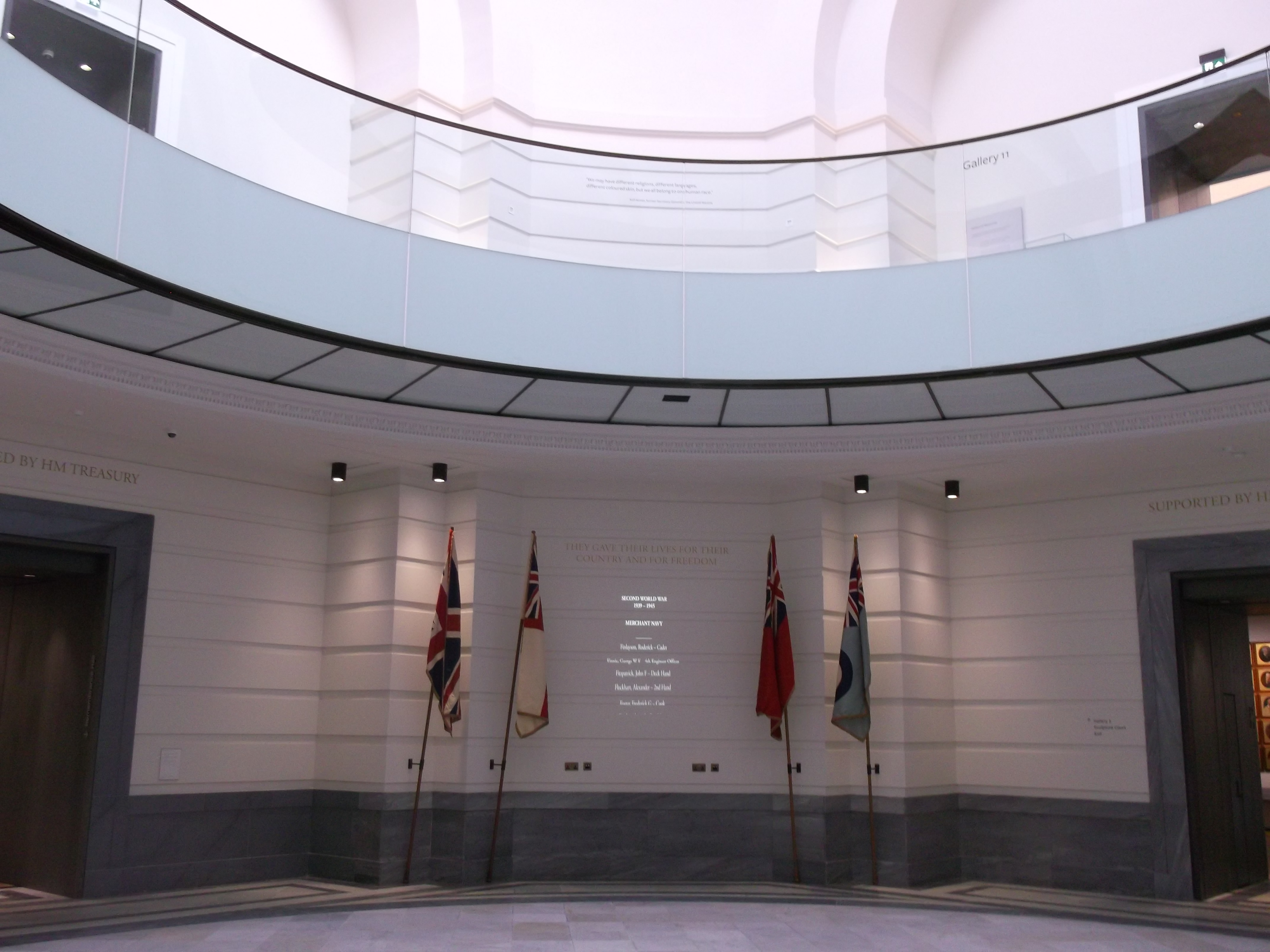
The central hall of Aberdeen Art Gallery is held up by granite columns in colours that range from local grey to imported pink, each quarried from a different source. It is a fitting metaphor for the collection itself -- rooted in the Granite City but reaching far beyond it. Since its founding in 1885, this gallery has assembled works by Monet, Renoir, Francis Bacon, and the Scottish Colourists, all within a building designed by Alexander Marshall Mackenzie and funded in large part by a granite merchant named Alexander Macdonald. In Aberdeen, stone built everything.
From Competition to Collection
The gallery began with a competition. Mackenzie and James Matthews won the commission, and construction started in 1883. The building opened on 7 July 1885, with further additions by Mackenzie in 1901 and 1905, including a sculpture court. In 1900, Alexander Macdonald donated his personal art collection, seeding the gallery with works that gave it immediate credibility. Macdonald had made his fortune quarrying the stone that gave Aberdeen its character, and his gift ensured the city's cultural life would be built on the same foundation. The permanent collection grew to include 18th-century paintings by Henry Raeburn, William Hogarth, Allan Ramsay, and Joshua Reynolds, alongside 20th-century works by Paul Nash and Francis Bacon.
War, Music, and Memory
The 1920s brought rapid expansion and a change in tone. A war memorial was built at the western end of the gallery, funded by public subscription and dedicated to the fallen of the First World War. The Memorial Court now holds books of remembrance covering both World Wars, the Merchant Navy, the fishing fleets, and conflicts after 1945. Adjacent to the memorial, Cowdray Hall was added as a concert venue, opened by King George V and Queen Mary on 25 September 1925. The hall was made possible by a gift from Annie, Viscountess of Cowdray, given with the stated aim of encouraging the taste for art and music in the city. Music and mourning, placed side by side -- the gallery had become more than an art museum.
A 34-Million-Pound Renewal
By the early 2000s, the Victorian building needed more than maintenance. A 34.6 million pound redevelopment, designed by Hoskins Architects and carried out by McLaughlin and Harvey, reimagined the interior while preserving the granite shell. The gallery reopened in November 2019, drawing more than 5,000 visitors in its first weekend. The project earned a Scottish Civic Trust award for its contribution to the built environment. Then, in October 2020, Aberdeen Art Gallery was named one of five winners of the ArtFund Museum of the Year Award -- a recognition expanded that year to honour multiple museums navigating the pandemic. The prize carried 200,000 pounds and a validation that the renovation had been worth the wait.
Granite and Light
What makes Aberdeen Art Gallery distinctive is not any single masterpiece but the relationship between building and collection. The multi-coloured granite columns in the central hall create a geological gallery within the art gallery, a reminder that Aberdeen's wealth came from the ground before it came from the sea. Works by local artists like James McBey and John Bulloch Souter sit alongside international names without apology. The gallery's strength is its confidence in being both local and global -- a Monet hanging in a granite hall, illuminated by Scottish light. Ken Currie, Gilbert and George, Bridget Riley, and Bruce McLean all have works here, ensuring the collection reaches into contemporary practice while never losing its Aberdonian roots.
From the Air
Located at 57.15N, 2.10W in central Aberdeen, near the junction of Schoolhill and Blackfriars Street. The gallery building is not easily distinguished from surrounding granite structures at altitude. Nearest airport: Aberdeen (EGPD), approximately 5 miles northwest.