Aberfan Disaster
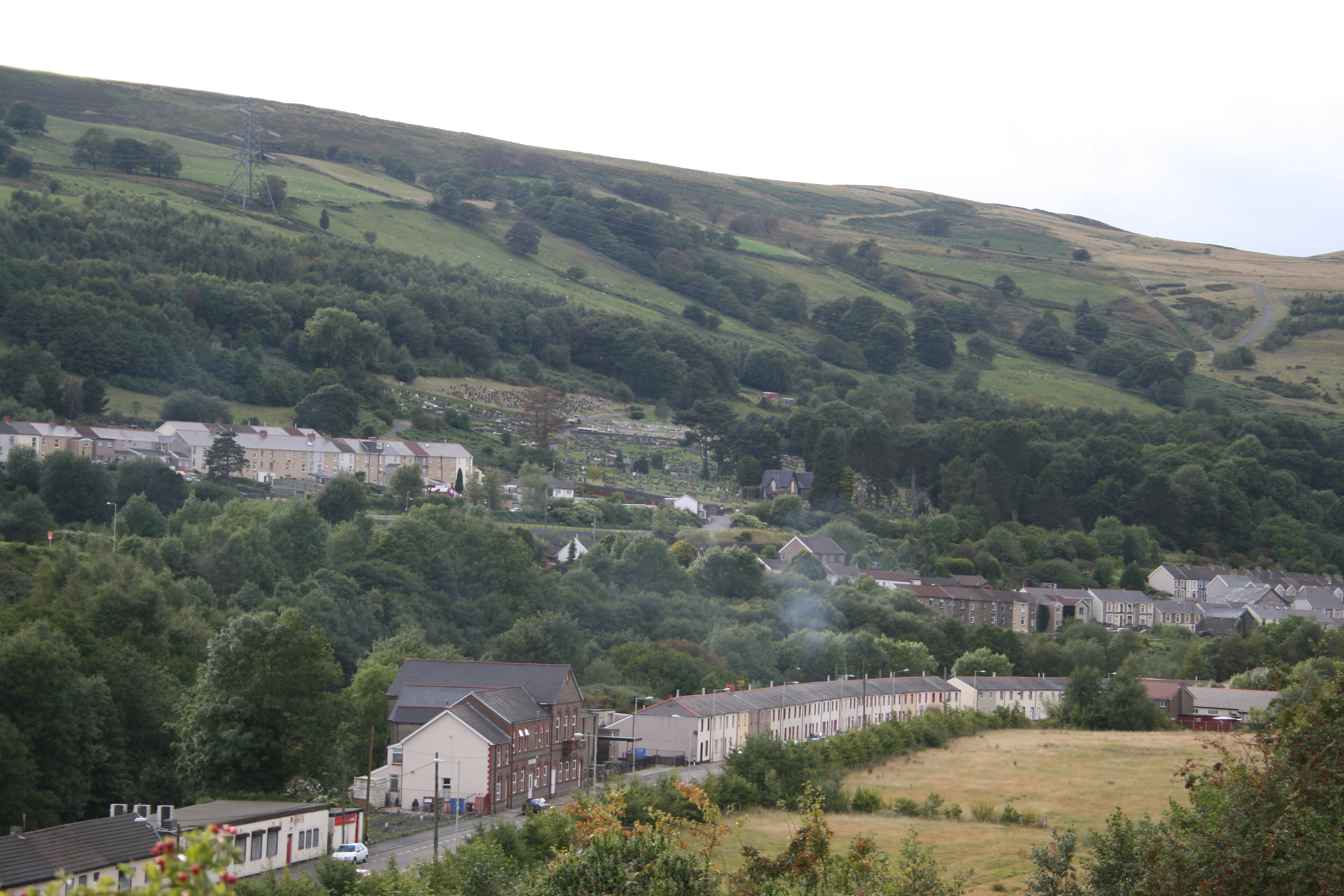
At a quarter past nine on the morning of 21 October 1966, the children of Pantglas Junior School in the village of Aberfan had just returned to their classrooms after singing 'All Things Bright and Beautiful' at assembly. They never finished their first lessons. Above the village, on the mountainside, a colliery spoil tip that the National Coal Board had built over a natural spring became saturated with days of heavy rain. It liquefied and slid downhill as a black slurry, engulfing the school and a row of houses in seconds. One hundred and sixteen children and twenty-eight adults died. Most of the children were between the ages of seven and ten.
A Disaster That Did Not Have to Happen
The tip that destroyed Pantglas Junior School was Tip Number 7, one of several waste tips the National Coal Board had created on the hillside above Aberfan to dispose of colliery spoil from the Merthyr Vale Colliery. The NCB knew the tips were built on waterlogged ground. Internal reports had flagged concerns about their stability. Residents of Aberfan had complained for years about the danger the tips posed to their village, and their children's school sat directly in the path of any slide. Those warnings were ignored. The NCB continued to dump waste on the mountainside because it was cheaper and more convenient than finding safer alternatives. When the tip collapsed, it was not a natural disaster. It was the consequence of an institution that weighed the cost of moving spoil against the safety of a community and decided the community could bear the risk.
The Longest Morning
Miners from the surrounding collieries were among the first to reach the school, digging with their hands and shovels through the black slurry. Parents arrived and dug alongside them, knowing their children were underneath. Rescue teams worked through the day and into the night under floodlights. Some children were pulled out alive in the first hours, but as the hours passed, hope faded. By the end of the day, it was clear that the disaster had killed almost an entire generation of the village's children. The grief was not abstract. In a community of fewer than five thousand people, nearly everyone had lost a child, a grandchild, a niece, a nephew, a neighbour's child they had watched grow up.
Blame Without Accountability
The official inquiry, led by Lord Justice Edmund Davies, found that the disaster was entirely the fault of the National Coal Board. The tribunal's report named nine NCB employees whose negligence contributed to the collapse and concluded that the organisation's management structure had allowed a culture of complacency to persist despite repeated warnings. No one was prosecuted. No one was dismissed. The NCB's chairman, Lord Robens, initially tried to blame the disaster on natural springs rather than institutional negligence. He later acknowledged the NCB's responsibility but resisted contributing to the cost of removing the remaining tips above the village. The government ultimately required the Aberfan Disaster Fund, built from donations given by a grieving public to help the bereaved families, to contribute 150,000 pounds toward the removal of the tips that the NCB itself had created. That money was not repaid until 1997.
What Aberfan Remembers
The village rebuilt. A new school was constructed on higher ground. The memorial garden where Pantglas Junior School once stood is quiet and carefully tended, with long rows of identical white headstones marking the graves of the children who died together. Every year on 21 October, the community gathers to remember. The disaster changed the law: the Mines and Quarries (Tips) Act of 1969 established strict regulations on the management of spoil tips across Britain. It also changed something harder to legislate. Aberfan became a name that meant something to the entire country, a single word that carries the weight of preventable loss and institutional failure. The children who died at Pantglas were not statistics. They were Eryl Mai Jones, who had told her mother the night before that she was not afraid to die because she would be with her friends. They were David, and Susan, and Robert, and all the others whose names are carved in stone in a garden that used to be a school.
From the Air
Located at 51.69N, 3.35W in the Taff Valley, approximately 4 miles south of Merthyr Tydfil. The village sits in a narrow valley with steep hillsides. The memorial garden and cemetery are visible on the valley floor. Cardiff Airport (EGFF) lies approximately 20 miles to the south. Approach with respect; this is sacred ground for the community.