Abidjan
The orange taxis of Abidjan are both warning and welcome. They swarm the boulevards of Le Plateau, weave through Yopougon's street food stalls, and ferry passengers across a city that was once called the Paris of West Africa - a nickname earned during the long boom years under Felix Houphouet-Boigny, the first president who ruled for three decades and built monuments that still define the skyline. His death in 1993 triggered coups, civil war, and an exodus that stripped Abidjan of its cosmopolitan polish. Yet the city endures. Over six million people crowd its neighborhoods along the Ebrie Lagoon, making it second only to Lagos in West Africa. The expats mostly fled, but the nightlife survived. The Hotel Ivoire has been restored to five-star glory as a Sofitel, though much of its original 1960s character was lost in the 2011 renovation, but Princess Road in Yopougon still pulses after dark. This is a city that has learned to keep moving.
The Lagoon City
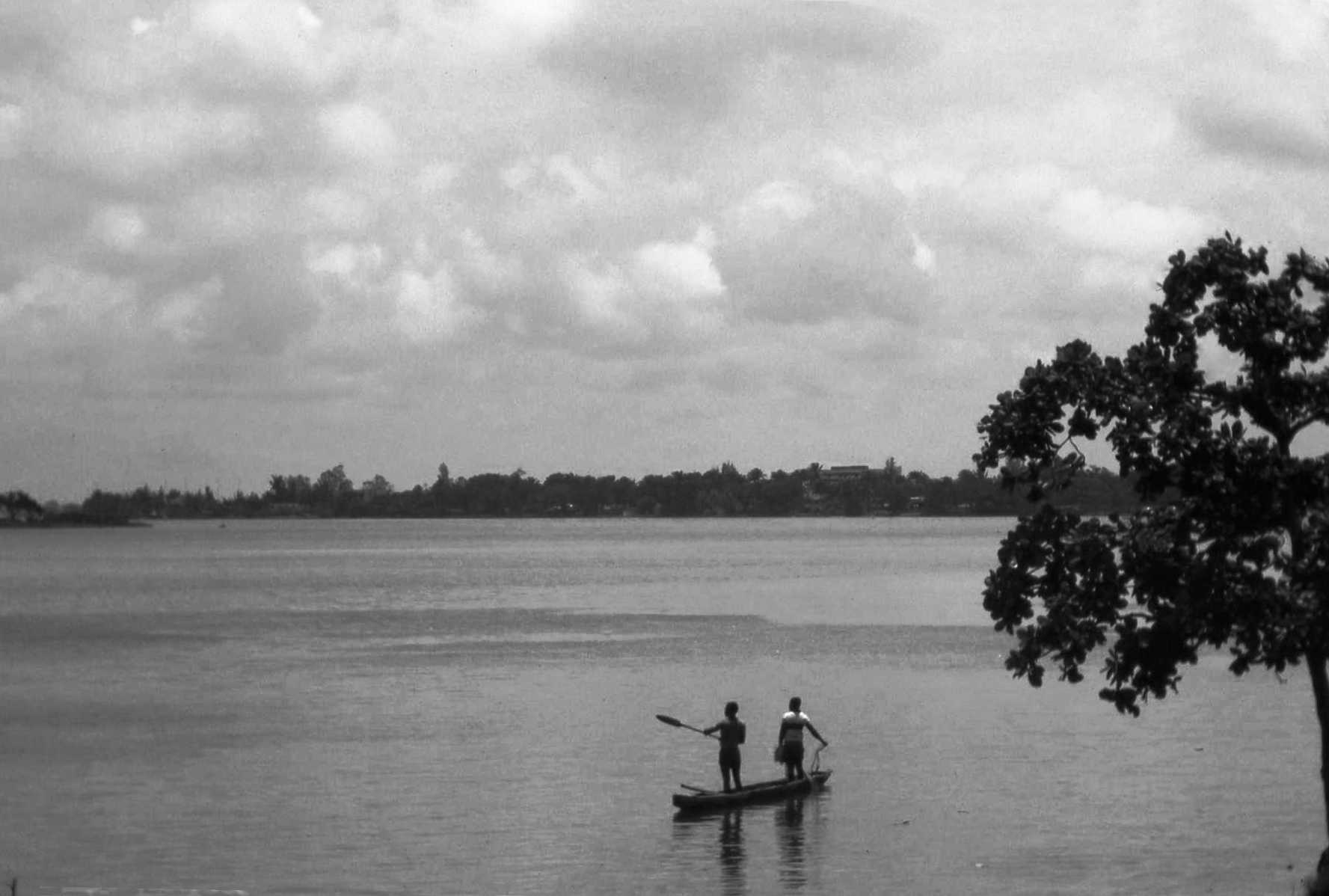
Abidjan sprawls across the Ebrie Lagoon, its neighborhoods connected by bridges, ferries, and the shared chaos of West African traffic. The ferry ride costs 150 CFA and offers the best view of the city skyline at sunset - towers rising from the Plateau district, fishermen's pirogues crossing beneath container ships, the collision of old and new that defines every African megacity. Each neighborhood has its character: Cocody for the wealthy and their beach clubs, Treichville for the markets and music, Yopougon for the street food that lures even the most cautious visitors. The lagoon binds them together, polluted in stretches but still beautiful, still the city's defining feature.
Crossing the city tests patience. The orange taxis that can go anywhere cost more than the color-coded neighborhood cabs - green in Koumassi, yellow in Cocody, blue in Marcory. No meters work, so every ride begins with negotiation. The locals know the fair prices; tourists pay the education tax until they learn.
The Checkpoints
At midnight, Abidjan closes. Barricades go up on every main road in and out of town, remnants of curfews imposed during the civil war years. Miss your chance to cross, and you wait until five in the morning - no exceptions, no bribes sufficient. The military checkpoints that dot the city during daylight hours can slow a simple crosstown trip to a crawl, though foreigners generally pass with minimal hassle if they keep their documents ready and their demeanor respectful.
The French face a different calculation. Ivorian resentment of colonial interference runs deep, and French visitors report longer delays, sharper questions. The checkpoints remind everyone that this city's calm is maintained, not natural - a peace enforced by men with weapons who remember when the streets burned.
The Paris That Was
Walk through the Hotel Ivoire and you walk through the dream that Felix Houphouet-Boigny built. Israeli architect Moshe Mayer designed the hotel, which opened in 1963, inspired by the Ducor Palace Hotel in Monrovia. A second phase completed in 1969 added the famous ice skating rink in 1970 - the first in West Africa - along with a bowling alley, casino, and swimming pools that once drew the international jet set. The rink closed in the 1990s economic crisis, and the 2011 civil war left the hotel in ruins. Sofitel has since restored it to five-star status, though the renovation sacrificed much of the original 1960s decor.
The Cathedrale Saint-Paul offers a different vision - Italian architect Aldo Spirito's swooping concrete curves rising above the Plateau district, consecrated in 1985 and still startling against the skyline. Nearby, the Museum of Civilizations holds artifacts from across Cote d'Ivoire's ethnic groups, a reminder that this city draws from dozens of peoples and traditions, not all of them at peace with each other.
After Dark
The best fried chicken in West Africa comes from roadside vendors on Princess Road in Yopougon, prepared right there on the street while live music spills from a dozen maquis - the open-air bars that define Abidjan nightlife. This is not sanitized entertainment for tourists. The crowds are local, the drinks are cold, and the music runs until the curfew barricades go up. Zone Quatre offers a more expatriate scene - Havana Club, Bidul Bar, and others that cater to those with money and expectations of air conditioning.
The city's restaurant scene reflects its history as a French colonial capital. European cuisine survives in the wealthy neighborhoods, but the real eating happens at the roadside terrasses: atcheke (fermented cassava) with fish, foutou (cassava and plantain mash), the rice and sauce combinations that fuel working Abidjan. Agree on the price before you sit down. Understand that the price will still be negotiated afterward. This is how things work.
Arriving and Surviving
Felix Houphouet-Boigny International Airport connects Abidjan to the world - Air France from Paris, Turkish Airlines from Istanbul, Emirates via Accra, Ethiopian Airlines from Addis Ababa. The visa process has modernized: apply online, receive approval within 48 hours, collect the document at the airport. The ride into town will cost 5,000 CFA if you don't haggle, perhaps 2,500 if you do.
The only train to Abidjan arrives from Ouagadougou in Burkina Faso, a 36-hour journey that often takes longer. Long-distance buses connect to Mali, Ghana, and beyond, though the roads require patience and the checkpoints require either small bills or large ones depending on circumstances. Most travelers arrive by air and stay within the city. Those who venture out return with stories of the real West Africa - beautiful, complicated, and nothing like the brochures promised.
From the Air
Abidjan (5.32N, 4.03W) sprawls along the Ebrie Lagoon on Cote d'Ivoire's Atlantic coast. Felix Houphouet-Boigny International Airport (DIAP/ABJ) lies 16km southeast of the city center with a single runway 03/21 (2,880m). The Plateau business district's towers are visible landmarks from altitude. The lagoon system creates a distinctive pattern of waterways threading through urban development. Terrain is flat coastal plain. Weather is tropical - hot and humid year-round with two rainy seasons (April-July, October-November). Harmattan dust from the Sahara reduces visibility December-February. Sea breezes moderate afternoon temperatures. Grand-Bassam beach resort lies 45km east along the coast.