Acadiana
Whatever you do, do not call them crayfish. In Acadiana -- the 22-parish region of southwest Louisiana that locals call Cajun Country -- that is roughly the equivalent of ordering a steak well-done in Buenos Aires. The word is crawfish, and the proper way to eat them involves a communal boil, a newspaper-covered table, and a fierce debate about whether the fat sucked from the head is the best part. This is a place where around 30 percent of residents still speak French, where the courthouse in Lafayette posts its signage in both English and Louisiana French, and where the dominant religion is Roman Catholicism -- a conspicuous outlier in the overwhelmingly Evangelical Protestant South. Acadiana is the birthplace of Cajun cuisine, Cajun music, and zydeco, and none of those things taste, sound, or feel quite the same anywhere else.
The Long Road from Nova Scotia
The name tells the origin story. Acadiana is a reference to the Acadians -- descendants of French speakers expelled from Nova Scotia by the British in 1755 in a brutal deportation known as le Grand Derangement. Those who eventually found their way to the prairies and bayous of southwest Louisiana became known as Cajuns, an English corruption of Acadiens. But the Cajuns were never alone here. Since the region's earliest days, Native Americans, Germans, Spanish colonists, French Creoles, and Creoles of Color all contributed threads to the cultural fabric. The dialect of French spoken by Acadiana's Francophones remains essentially similar to the one heard in New Brunswick and other Acadian areas of Canada, though communication with speakers from France or Quebec usually requires some effort. In the early 20th century, Cajuns were often looked down upon, but a cultural renaissance in the last third of that century brought newfound and widespread appreciation, especially for the music and food.
A Table Set Like Nowhere Else
Cajun food is not Creole food -- a distinction residents of Acadiana will make with cheerful insistence. Where Creole cooking from New Orleans leans on tomato sauces and European refinement, Cajun cuisine is more provincial, often spicier, and trades red for brown. Boudin -- pronounced 'Boo Dan' -- is a spicy sausage of rice, pork, liver, and green onion stuffed into a casing, descended from the boudin blanc of French cuisine. Ask any local where to get the best boudin and prepare for a passionate, deeply personal answer. Gumbo here features a darker roux and no tomatoes, unlike the New Orleans version influenced by Italian immigration. Jambalaya is essentially Cajun paella -- rice, vegetables, spices, and meat, but never tomato sauce. And then there is rice and gravy, the humble comfort dish tracing back to a time when Cajun families needed to stretch what little meat they had into a full meal. The town of Crowley calls itself the Rice Capital of the World, and in Acadiana, that claim does not feel exaggerated.
Dance Halls and Accordion Wails
The music of Acadiana splits into two interwoven traditions: Cajun music, with its French lyrics and accordion-driven melodies, and zydeco, which layers in African American rhythmic traditions and a washboard called the frottoir. Both are meant for dancing, and the dance halls of Acadiana are institutions unto themselves. Fred's Lounge in Mamou has hosted Saturday morning radio broadcasts of live Cajun music for decades. Slim's Y-Ki-Ki in Opelousas is a legendary zydeco venue. Whiskey River Landing in Henderson, near Breaux Bridge, sits right on the edge of the vast Atchafalaya Swamp. The festival calendar is relentless: the Crawfish Festival hits Breaux Bridge in May, Festival International de Louisiane fills Lafayette in late April, the Zydeco Festival takes over Opelousas in August, and Festivals Acadiens et Creoles arrives in Lafayette each fall. Even the Frog Festival in Rayne gets its May weekend.
Prairies, Bayous, and Plantation Ghosts
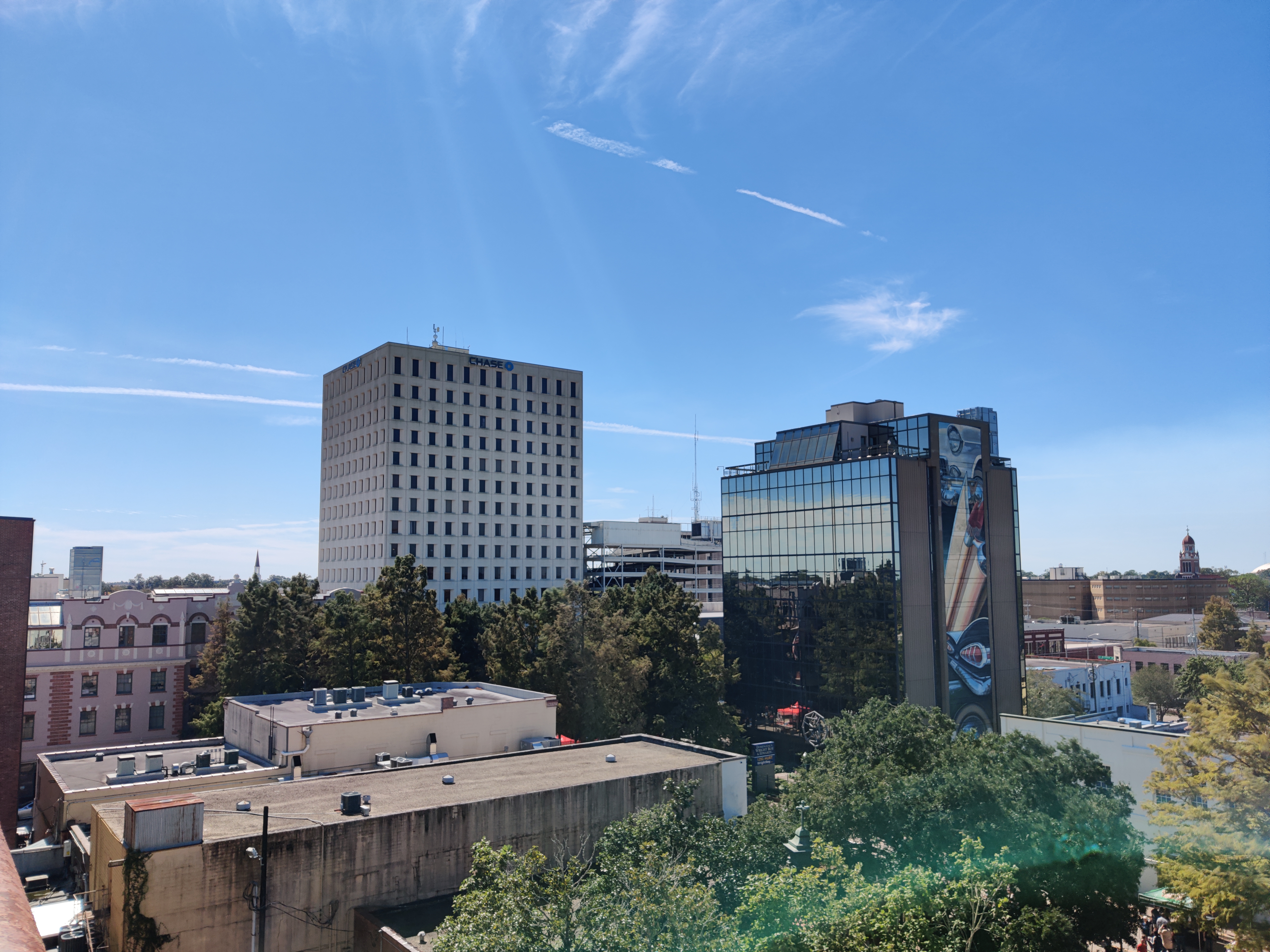
From the air, Acadiana reveals itself as five distinct sub-regions stretching from the Texas border eastward, where Cajun and Creole peoples adapted to dramatically different landscapes. The western reaches are open cattle prairie. The central territory fans out through rice fields and crawfish ponds. To the south, the bayou country dissolves into the enormous Atchafalaya Swamp, the largest river swamp in North America. Along the Mississippi River between New Orleans and Baton Rouge, the River Parishes preserve a corridor of antebellum plantation homes dating to the 1800s, survivors of a pre-Civil War era when hundreds of sugar cane plantations lined both banks. Lafayette serves as the region's largest city and commercial hub, with its airport offering flights to Houston, Dallas, and Atlanta. Lake Charles, to the west, provides additional commercial air service. For everyone else, Louisiana's famous drive-through daiquiri shops await -- though the state does have an open container law, so the frozen deliciousness must wait until you reach your destination.
From the Air
Acadiana spans roughly 22 parishes of southwest Louisiana, centered near 30.23N, 92.01W. The region stretches from Lake Charles (KLCH) in the west to the Atchafalaya Basin in the east, with Lafayette Regional Airport (KLFT) as the primary hub. At 5,000-8,000 feet AGL, the patchwork of rice paddies, crawfish ponds, and bayou waterways is clearly visible. The Atchafalaya Swamp, a vast dark-green expanse, dominates the eastern portion. Interstate 10 traces a visible corridor through the region. Low-altitude flying reveals the distinct prairie-to-swamp transition that defines Cajun Country.