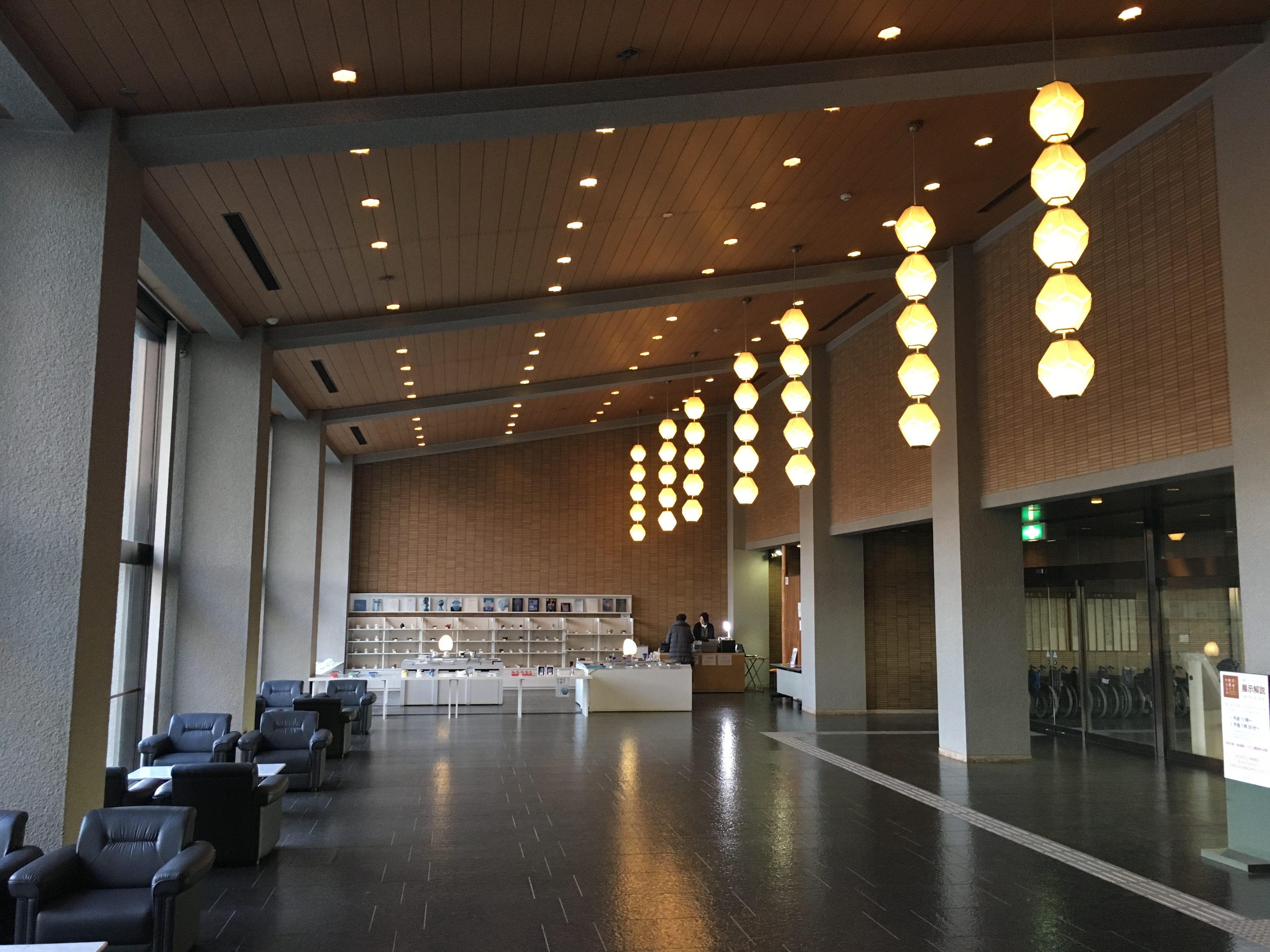
Aichi Prefectural Ceramic Museum
In Japanese, the word for pottery is setomono -- literally, "things from Seto." That a single city's name became synonymous with an entire art form tells you something about this quiet place in the hills north of Nagoya. For over a thousand years, potters here have dug clay from the surrounding slopes and fed it into kilns, producing glazed ceramics when no other region in Japan could manage the technique. The Aichi Prefectural Ceramic Museum sits at the center of that legacy, a purpose-built institution established in 1978 to house what has become Japan's largest collection devoted solely to the ceramic arts -- more than 8,000 objects tracing an unbroken line from the Jomon period, roughly 12,000 years ago, to the work of living masters.
Twelve Millennia in Clay
The collection begins with cord-marked Jomon vessels -- some of the oldest pottery on Earth -- and follows the thread of Japanese ceramics through every major period. Seto's own story picks up in earnest during the Kamakura period, when local potters began imitating the glazed wares of Song dynasty China. At a time when virtually every other kiln in Japan produced only unglazed stoneware, Seto was experimenting with ash glazes and iron glazes that gave its pieces a distinctive amber and dark brown finish. By the Muromachi period, Seto's techniques had spread outward, seeding ceramic traditions across the country. The museum traces this diffusion through carefully arranged galleries, each room a step forward in time, each case revealing how a local craft became a national one.
Taniguchi's Light-Filled Halls
The museum's architecture is itself a work of considered design. Taniguchi Yoshiro, one of Japan's most respected postwar architects, designed the main building and southern annex. Taniguchi -- whose son Yoshio would later redesign the Museum of Modern Art in New York -- was known for buildings that use natural light and open space to let their contents speak. Here, expansive exhibition halls with clean sightlines and generous ceiling heights give even the smallest tea bowl room to breathe. The building sits amid forested hills on the eastern edge of Seto, accessible by the Linimo maglev line, a futuristic magnetic levitation transit system that seems a world away from the ancient kilns just up the road.
The Living Tradition
What elevates the museum beyond a repository of old pots is its insistence that ceramics remain a living practice. A hands-on studio invites visitors to throw their own vessels on a wheel or decorate bisqueware with traditional glazes. A tea ceremony room serves matcha in bowls crafted by renowned potters -- drinking from art rather than merely gazing at it behind glass. The surrounding city reinforces this sensibility: Seto's streets are lined with ceramic shops, many run by families who have worked clay for generations, and the sidewalks themselves are decorated with ceramic tiles. Several works in the museum's collection carry the designation of Important Cultural Properties of Japan, placing them among the nation's most treasured artistic achievements.
One of the Six Ancient Kilns
Seto belongs to a select group known as Japan's Six Ancient Kilns -- Seto, Tokoname, Shigaraki, Tanba, Bizen, and Echizen -- the oldest continuously operating ceramic-producing regions in the country. Among these six, Seto holds a unique distinction: it was the only one that mastered glazing techniques during the medieval period. That technical edge made Seto ware the prestige ceramic of its era, sought after by tea masters and feudal lords alike. The city's kilns have never stopped firing. Even as industrial ceramics and mass production transformed the trade in the modern era, Seto's artisan potters kept the older traditions alive, ensuring that the word setomono continues to mean something more than just any dish on a shelf.
From the Air
Located at 35.186N, 137.098E in the forested hills east of Seto city. Best viewed from 3,000-4,000 feet AGL. The museum complex is set among wooded terrain on the city's eastern edge, distinguishable by its low-profile modern architecture. Nagoya Airfield (RJNA) lies approximately 20 km to the west. Chubu Centrair International Airport (RJGG) is roughly 50 km to the southwest. The Expo 2005 Aichi Commemorative Park is visible nearby to the south.