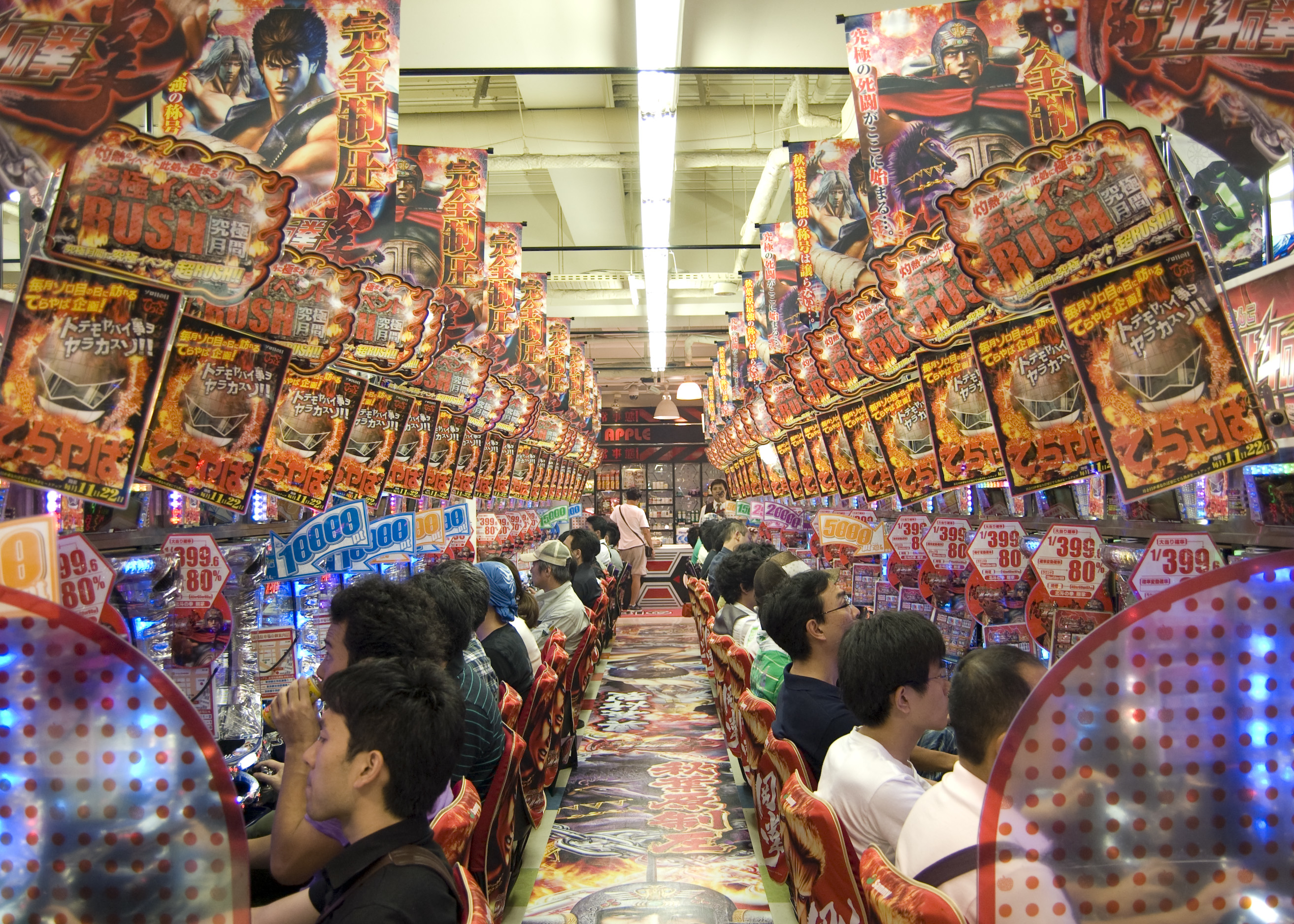
Akihabara: From Ashes to Electric Town
Locals call it Akiba, and the nickname carries the ghost of a fire god. In 1869, a blaze tore through this stretch of Chiyoda ward so completely that the Meiji government cleared the scorched ground and erected a shrine to Akiba Daigongen, a deity believed to ward off flames. The open space around the shrine became known as Akibagahara -- the field of Akiba -- later shortened to Akihabara. Today, fire still defines the district, but the kind that glows from ten thousand neon signs, LCD screens, and anime billboards stacked six stories high along the narrow streets west of Akihabara Station. The shrine is gone. The fire god's protection remains -- transformed into volts and pixels.
A Market Born from Rubble and Rails
Akihabara Station opened in November 1890 as a freight terminal, linking to Ueno Station along tracks that would eventually become part of the Yamanote Line. The rail connection drew produce vendors, and a vegetable and fruit market took root around the loading docks. When the station opened to passenger traffic in 1925, commuters poured through alongside the crates of radishes and fish. After Japan's surrender in 1945, the absence of strong government oversight allowed a black market to flourish in the shadow of the station. Merchants sold vacuum tubes, radio components, and surplus military electronics from cramped stalls. University students from nearby institutions came hunting for parts to build their own radios. Within a few years, Akihabara had earned a new identity: Akihabara Denki Gai -- Electric Town.
The Transistor Bazaar
Through the 1950s and 1960s, Akihabara became Japan's primary marketplace for household electronics. Washing machines, refrigerators, and televisions flowed through shops that ranged from department-store-sized showrooms to alley stalls barely wider than a doorway. Foreign tourists discovered they could buy Japanese electronics at prices far below what they paid at home, and the district's reputation went global. But by the 1980s, household appliances had lost their novelty. Chain retailers in the suburbs undercut Akihabara's prices. The neighborhood adapted: small shops pivoted to personal computers, then little more than hobbyist curiosities. A new customer appeared -- technically obsessed, socially insular, deeply passionate about niche interests. Japan had a word for them: otaku.
Kingdom of the Otaku
The transformation was total. By the late 1990s, Akihabara's storefronts had traded refrigerator displays for walls of anime figurines, manga volumes, and video game consoles. Architects designed shops to be deliberately opaque and enclosed -- windowless interiors that let customers inhabit fantasy worlds without the intrusion of the street outside. Cosplayers began lining the sidewalks, handing out flyers for maid cafes where waitresses in frilled aprons greet every customer as 'master.' Doujinshi -- amateur and fan-made manga -- found shelf space alongside professional publications, a tradition dating to the 1970s that gave aspiring artists a path to an audience. Release events for new anime, games, and collectibles draw crowds that spill across intersections. The district pulses with a creative energy that is chaotic, commercial, and utterly sincere.
Layers Beneath the Neon
Akihabara occupies a curious position in Tokyo's geography. It straddles the boundary between Chiyoda ward to the south and Taito ward to the north -- there is, in fact, a small administrative district called Akihabara within Taito, centered on Akihabara Neribei Park, distinct from the commercial Electric Town. The station itself is a transit nexus: the Yamanote Line, Keihin-Tohoku Line, Chuo-Sobu Line, the Tokyo Metro Hibiya Line, and the Tsukuba Express all converge here, funneling millions of commuters past the very stalls where post-war radio vendors once hawked vacuum tubes. Beneath the anime billboards, a few electronics shops from the old era still survive, their bins overflowing with resistors, capacitors, and soldering supplies -- a reminder that Akihabara's roots are in tinkering, in building something from parts, in the stubborn belief that technology is a craft as much as a commodity.
From the Air
Located at 35.698N, 139.773E in central Tokyo, Chiyoda ward. From altitude, Akihabara is identifiable by the dense cluster of commercial buildings between the Kanda River to the north and the elevated rail lines converging at Akihabara Station. The district sits roughly 10 nautical miles north of Tokyo Haneda International Airport (RJTT). Narita International Airport (RJAA) is approximately 35 nautical miles to the east. Best viewed from 3,000-5,000 feet AGL, though individual buildings are difficult to distinguish in Tokyo's dense urban fabric. The Sumida River to the east and the Imperial Palace grounds to the southwest serve as major visual landmarks for orientation.