Akron: The Rubber City That Lost Its Bounce
Akron was the Rubber City - the world's tire capital from the early 1900s until globalization sent the jobs elsewhere. Goodyear, Firestone, Goodrich, and General Tire all headquartered here; the factories employed tens of thousands; the smell of vulcanizing rubber defined the city. The tires are made in Asia now; the companies have consolidated and relocated; Akron's population dropped from 290,000 at peak to 190,000 today. What remains is the polymer science that rubber spawned, the University of Akron's research programs, and the pride of having made the tires that put America on wheels. LeBron James grew up here, the most famous Akron native, his success a counterpoint to the city's decline.
The Rubber
B.F. Goodrich located in Akron in 1870; Goodyear, Firestone, and General Tire followed. By 1920, Akron produced most of the world's tires. The rubber boom drew workers from the South and Appalachia; the population exploded. The decline came slowly: first the headquarters left, then the research, then the manufacturing. Goodyear is the only major tire company still headquartered in Akron, and its manufacturing happens mostly elsewhere. The rubber heritage survives in the University of Akron's polymer science programs and in the street names (Goodyear Boulevard, Firestone Parkway) that commemorate what's gone.
The LeBron
LeBron James grew up in Akron public housing, the talent visible from childhood, the high school games at St. Vincent-St. Mary broadcast nationally. He was drafted by Cleveland in 2003, left for Miami in the infamous 'Decision,' returned to win Cleveland's only professional championship in 2016, then left again for Los Angeles. His relationship with Akron remained constant: the LeBron James Family Foundation builds schools and provides scholarships; the 'I Promise School' offers public education to at-risk students. LeBron is Akron's most successful export, the demonstration that greatness can come from rust belt decline.
The Polymers
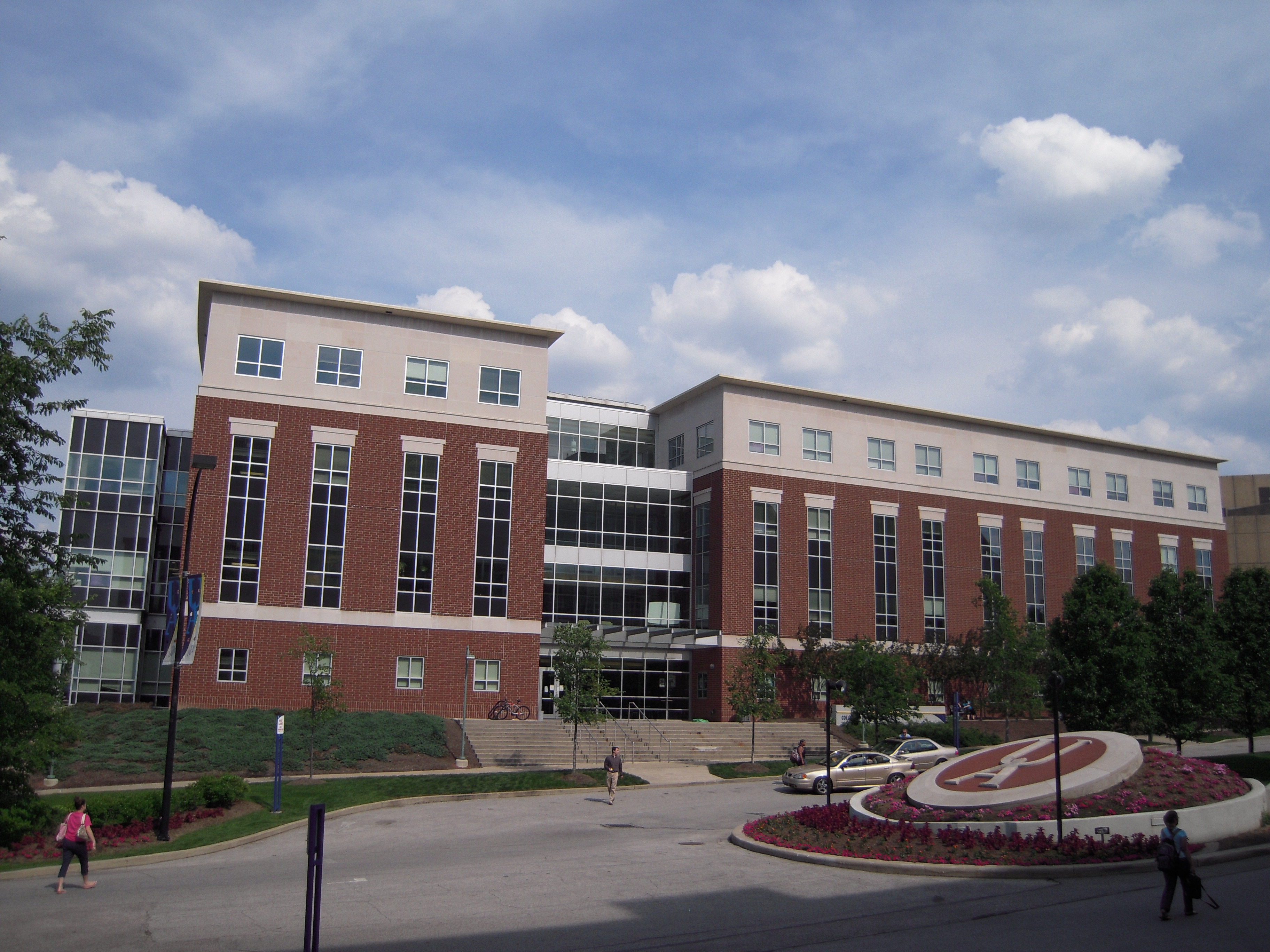
The University of Akron built its reputation on polymer science - the chemistry that underlies rubber and plastics. The research that tire companies once funded continues with federal grants and corporate partnerships. The polymer programs attract students and researchers worldwide; the startups that spin out keep some high-end jobs in Akron. The university provides the stability that tire manufacturing couldn't - the employment that doesn't relocate to Asia, the intellectual capital that can't be offshored. Polymer science is what Akron still does, the evolution from rubber that keeps the expertise alive.
The Recovery
Akron's recovery is modest compared to the decline - the population still dropping, the retail still struggling, the poverty still concentrated. The successes are visible but limited: the downtown has revived somewhat, the hospitals employ many, the university anchors the economy. The Cuyahoga Valley National Park provides nearby natural beauty. The arts scene punches above the city's weight. Whether Akron becomes something new or continues fading depends on whether polymer science and healthcare can replace what rubber took with it. The recovery is possible but not yet achieved.
Visiting Akron
Akron is served by Akron-Canton Airport (CAK). The Stan Hywet Hall & Gardens is a Tudor Revival mansion that shows rubber baron wealth. The Akron Art Museum holds a contemporary collection in a distinctive building. The Goodyear World of Rubber at company headquarters tells the tire story. Cuyahoga Valley National Park is 15 minutes north, offering trails and the scenic railroad. The I Promise School welcomes visitors by appointment. Downtown offers restaurants and the Akron Civic Theatre. The weather is Northeast Ohio: cold winters, pleasant summers. Akron rewards visitors who appreciate industrial heritage and unlikely success stories.
From the Air
Located at 41.08°N, 81.52°W in the Cuyahoga River valley in northeastern Ohio. From altitude, Akron appears as urban development in hilly terrain - the University of Akron campus visible, Cuyahoga Valley National Park visible to the north. What appears from altitude as an Ohio industrial city is where America's tires were made - where Goodyear and Firestone built their empires, where the rubber industry rose and fell, and where LeBron James grew up to become the greatest of his generation.