Alcatraz Federal Penitentiary
For twenty-nine years, Alcatraz Federal Penitentiary represented the end of the line - a maximum-security island prison reserved for inmates who had proven unmanageable at other federal institutions. Al Capone served time here. So did Machine Gun Kelly, the Birdman Robert Stroud, and Alvin Karpis, the only Public Enemy Number One taken alive by J. Edgar Hoover himself. The prison sat on a rocky island 1.25 miles from San Francisco's shore, surrounded by bone-cold water and swift currents that officials believed made escape impossible. They were almost right. During its operation from 1934 to 1963, thirty-six prisoners attempted fourteen escapes. Twenty-three were recaptured, six were shot dead, two drowned, and five vanished without a trace. But on June 11, 1962, Frank Morris and brothers John and Clarence Anglin vanished through hand-carved tunnels into the night. Their bodies were never found. The prison closed a year later, officially due to cost, unofficially because three men had proven the unescapable prison could be escaped. Today, Alcatraz draws 1.5 million visitors annually who come to walk the cellblocks where America caged its most notorious criminals.
America's Devil's Island
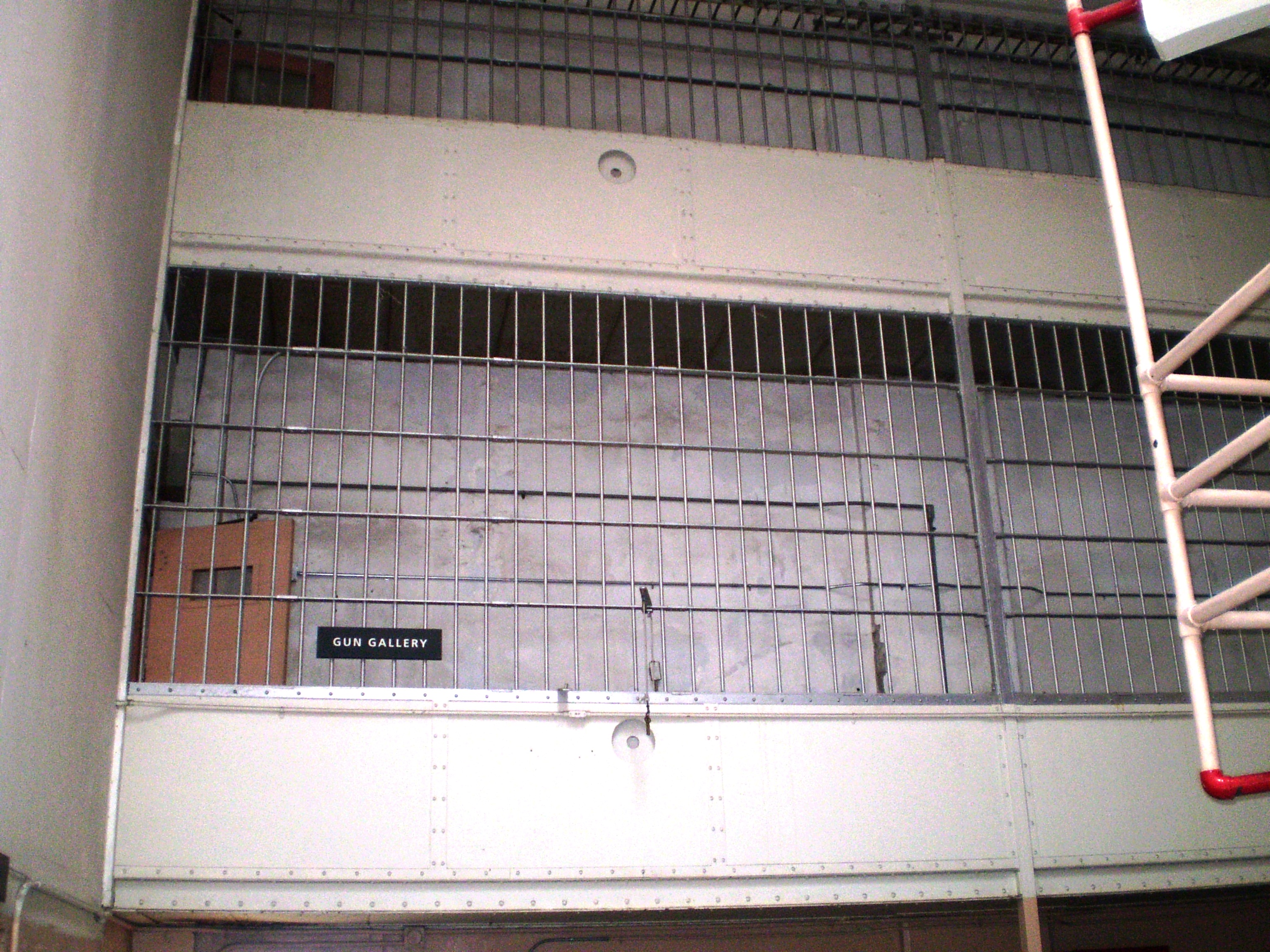
Alcatraz was not designed to rehabilitate - it was designed to punish. When the Federal Bureau of Prisons took over the former military prison in 1934, they spent $260,000 making it escape-proof: tool-proof steel bars, electromagnetic metal detectors, tear gas canisters in the ceiling, guard towers at every approach. The three-story cellhouse held four main blocks of cells measuring just five by nine feet. Inmates earned nothing by default - they had to work their way up to privileges like library access and work assignments. The routine was crushing: wake at 6:30 AM, counted thirteen times daily, lockdown by 5:30 PM. Prisoners ate together in a dining hall where guards could flood the room with tear gas at the press of a button. The corridors bore names like Broadway and Michigan Avenue, a cruel joke about streets the inmates would never walk again. This was not imprisonment - it was burial for the living.
The Inmates
Courts couldn't sentence anyone directly to Alcatraz - inmates were transferred there from other federal prisons for causing trouble or attempting escape. Al Capone arrived in 1934, his syphilis already advancing toward the dementia that would eventually kill him. He spent years in the prison hospital, no longer the fearsome crime boss but a confused man who spent hours making and unmaking his bed. Machine Gun Kelly reportedly coined the term 'G-Men' when FBI agents captured him - 'Don't shoot, G-Men!' He proved a model prisoner at Alcatraz, constantly boasting of crimes he never committed. Robert Stroud, the 'Birdman of Alcatraz,' never actually kept birds there - that was at Leavenworth. At Alcatraz he spent seventeen years in solitary confinement, writing an encyclopedia of bird diseases that became a standard reference. Alvin 'Creepy' Karpis served the longest sentence: twenty-six years, reading voraciously. After his transfer to McNeil Island in 1962, he taught guitar to a young car thief named Charles Manson.
The Great Escape
On the night of June 11, 1962, Frank Morris and the Anglin brothers executed the most elaborate escape in Alcatraz history. For months, they had been chipping away at the salt-damaged concrete around air vents in their cells, using tools fashioned from stolen spoons and a vacuum cleaner motor. They concealed their progress behind cardboard and fooled guards during night counts with papier-mâché dummy heads featuring real human hair from the prison barbershop. That night, they climbed through the vents to the roof, descended a smokestack, and reached the water with a raft made from over fifty raincoats. They were never seen again. The FBI concluded they drowned, but no bodies ever surfaced. In the decades since, circumstantial evidence has accumulated: a raft found on Angel Island, a car stolen nearby that night, a photograph from Brazil in 1975 showing men who might have been the Anglins. The mystery endures.
The Occupation
The prison closed in 1963, but Alcatraz wasn't finished making history. On November 20, 1969, eighty-nine Native American activists landed on the island and claimed it under an 1868 Sioux treaty that allowed Indians to claim surplus federal land. The occupation lasted nineteen months, drawing international attention to Native American grievances and inspiring a generation of activism. The occupiers established schools, a newsletter, and radio broadcasts. They proposed converting Alcatraz into a Native American cultural center and university. Though the occupation ended in 1971 when federal marshals removed the remaining fifteen occupiers, it helped shift federal policy toward tribal self-determination. Today, the island bears traces of both histories - the crumbling cellblocks and the spray-painted slogans declaring 'Indians Welcome' and 'This Land Is My Land.'
Visiting Alcatraz
Alcatraz is now part of Golden Gate National Recreation Area, accessible only by ferry from Pier 33 near Fisherman's Wharf. The ferry ride takes fifteen minutes and provides spectacular views of the San Francisco skyline and Golden Gate Bridge. On the island, the award-winning audio tour features recordings from former guards and inmates, their voices echoing through cellblocks that look much as they did when the prison closed. Visitors can peer into the actual cells where Capone and Kelly lived, stand in the recreation yard where inmates played baseball with the city skyline tantalizingly visible, and trace the escape route of Morris and the Anglins. Night tours offer a more atmospheric experience. The island also hosts nesting colonies of seabirds and surprising tide pool life. Book ferry tickets well in advance - the island receives over 5,000 visitors on busy days. The experience takes three to four hours. Bring layers; the island is often windier and colder than the mainland.
From the Air
Located at 37.83°N, 122.42°W in San Francisco Bay. The island is dramatically visible from altitude as a rocky outcrop with the distinctive prison buildings and lighthouse. The island sits 1.25 miles from the San Francisco waterfront, directly in line between the Golden Gate Bridge and the Bay Bridge. Angel Island lies to the north. San Francisco International Airport (SFO) is 13 miles south; Oakland International Airport (OAK) is 10 miles east.