Alcatraz: The Prison No One Could Escape
The island sits 1.25 miles from San Francisco, close enough to hear traffic, far enough that the frigid waters might kill you before you reached shore. Alcatraz Federal Penitentiary operated from 1934 to 1963, holding prisoners deemed too dangerous or escape-prone for other facilities. The roster reads like a criminal hall of fame: Al Capone, Machine Gun Kelly, Robert Stroud (the 'Birdman'), Mickey Cohen. Fourteen escape attempts involved 36 prisoners; 23 were caught, 6 were shot, 2 drowned, and 5 disappeared without trace. The most famous - Frank Morris and the Anglin brothers in 1962 - may have survived. The FBI says they drowned. Their bodies were never found. Alcatraz closed shortly after, its mythology sealed.
The Prison
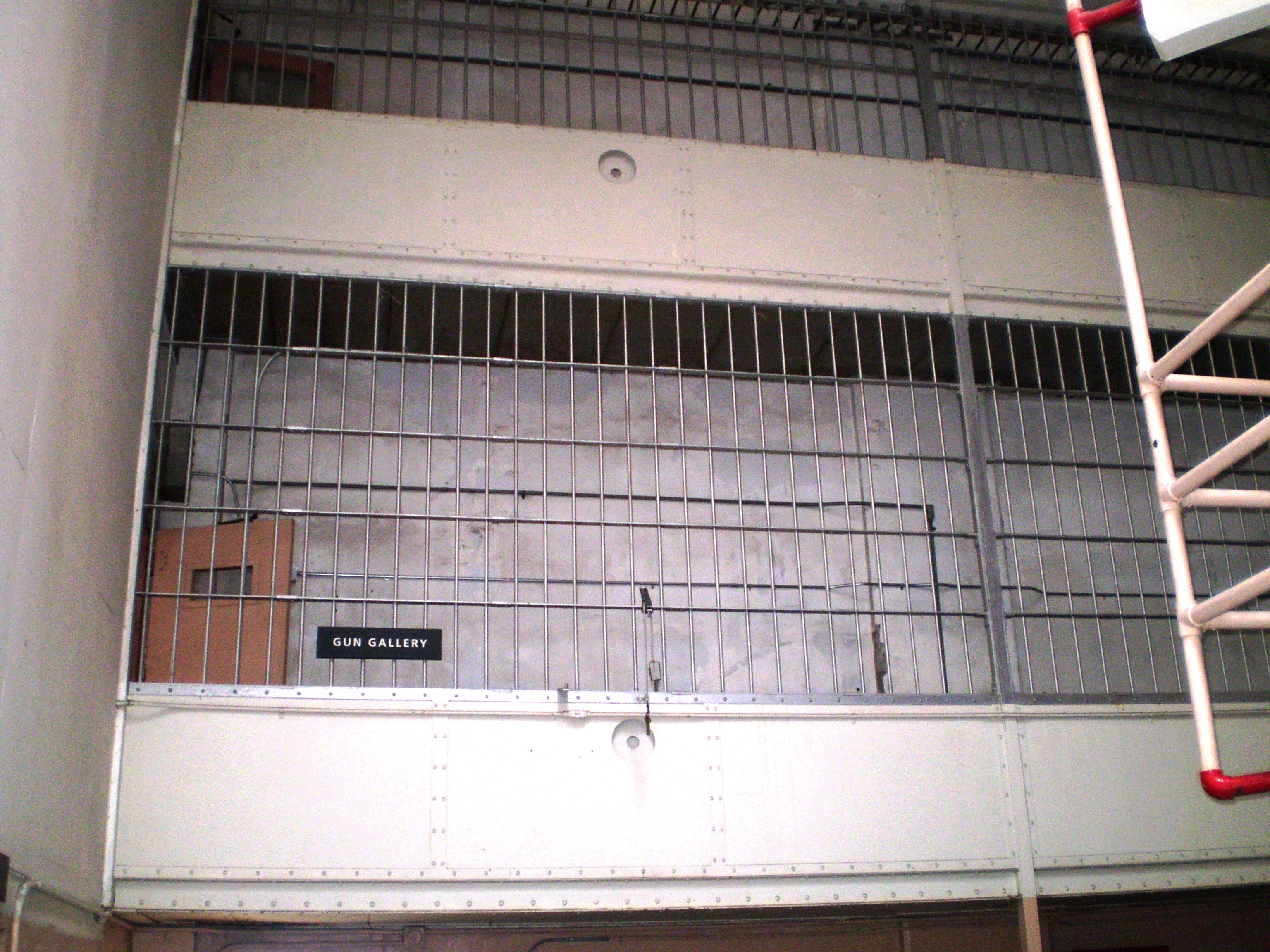
Alcatraz wasn't designed for rehabilitation; it was designed for punishment and isolation. Cells measured 5 by 9 feet. Privileges were earned, not granted. Silence was enforced during early years. The daily routine was regimented to the minute. The guards outnumbered prisoners three to one. The location itself was punishment - close to San Francisco, visible from the city, yet utterly isolated. Prisoners could hear New Year's Eve celebrations drifting across the water from the city they couldn't reach. The psychological torment was deliberate. Alcatraz held approximately 260 inmates at capacity; it processed about 1,576 over its 29-year history. Average sentences lasted 8 years.
The Famous
Al Capone arrived in 1934, his first of several years on the Rock. Syphilis was already destroying his brain; he spent much of his sentence in the hospital ward. Robert Stroud, the 'Birdman of Alcatraz,' kept no birds there - that was at Leavenworth. At Alcatraz he was confined to isolation for his violent behavior. Machine Gun Kelly bragged about easy escape; he served quietly and was transferred. Mickey Cohen, the LA mobster, served time in the 1960s. The fame of the inmates contributed to Alcatraz's mythology, but most prisoners were simply dangerous men from other prisons, not celebrity criminals.
The Escapes
The June 1962 escape remains legendary. Frank Morris and brothers John and Clarence Anglin spent months digging through deteriorating concrete around their cell vents with sharpened spoons. They built a raft from raincoats, constructed dummy heads with human hair from the barbershop, and vanished the night of June 11. They were never seen again. The FBI concluded they drowned; optimists believe they reached land. Deathbed claims and alleged sightings have periodically surfaced. The case remains officially open. The escape embarrassed the Bureau of Prisons and contributed to Alcatraz's closure the following year. If Morris and the Anglins survived, they're the only ones who beat the Rock.
The Closure
Alcatraz closed in 1963. The official reason: operating costs. The salt air corroded everything; the island had no fresh water; maintenance was constant. But the escapes, particularly 1962's, had damaged the prison's reputation for impregnability. The modern correctional philosophy was shifting away from pure isolation. Alcatraz was an expensive relic. After closure, Native American activists occupied the island from 1969 to 1971, drawing attention to broken treaties and Indigenous rights. The National Park Service took over in 1972, transforming punishment site into tourist attraction. The prison that was meant to terrify now entertains.
Visiting Alcatraz
Alcatraz Island is accessible only by ferry from San Francisco's Pier 33. Advance reservations are essential - often weeks ahead during peak season. Ferries run throughout the day; night tours offer enhanced atmosphere. The audio tour, narrated by former guards and inmates, is included and exceptional. Explore the cell house, recreation yard, and isolation cells at your own pace. The gardens, planted by prisoners and maintained by volunteers, are unexpectedly beautiful. Allow 2.5-3 hours on the island. The ferry ride provides spectacular San Francisco and Golden Gate views. Weather is often cold and windy; dress in layers. The experience is sobering, fascinating, and justifiably one of San Francisco's top attractions.
From the Air
Located at 37.83°N, 122.42°W in San Francisco Bay. From altitude, Alcatraz appears as a rocky island dominated by the main cellhouse building, visible as a large rectangular structure. The lighthouse stands at the island's highest point. The dock and building ruins from pre-prison military use are visible. San Francisco lies 1.25 miles east; the Golden Gate Bridge spans the bay entrance to the west. Ferry boats are visible making the crossing. The island's isolation - water on all sides, cold currents visible as color variation - explains why escape seemed impossible. What the altitude doesn't convey is the psychological punishment of seeing the city so close yet being unable to reach it.