Alcatraz Island
One and a half miles from the shores of San Francisco, a 22-acre island rises from the bay. Alcatraz - named 'La Isla de los Alcatraces' (Island of the Pelicans) by Spanish explorers - served as a military fortress, a military prison, and from 1934 to 1963, the most notorious federal penitentiary in America. Surrounded by frigid, swift currents, Alcatraz was considered escape-proof. Al Capone served four years here. George 'Machine Gun' Kelly was imprisoned for 17 years. Robert Stroud, the 'Birdman of Alcatraz,' spent 17 years in isolation (though he never kept birds at Alcatraz). The prison closed in 1963 due to operating costs. In 1969, Native American activists occupied the island for 19 months. Today, Alcatraz is part of the Golden Gate National Recreation Area, drawing 1.5 million visitors annually to explore the cellhouse where America's most dangerous criminals were confined.
The Fortress
Before it was a prison, Alcatraz was a fortress. In 1853, the U.S. Army began fortifying the island to protect San Francisco Bay - then the primary Pacific port and gateway to California gold. The fortress included earthworks, gun emplacements, and a citadel. It never fired a shot in anger; no enemy fleet ever challenged the bay. By the 1860s, the fortress was being used as a military prison. Soldiers convicted by courts-martial served sentences on the island. This dual function - fortress and prison - continued through the end of the Civil War and into the 20th century. The fortress's isolation made it ideal for confinement.
The Federal Prison
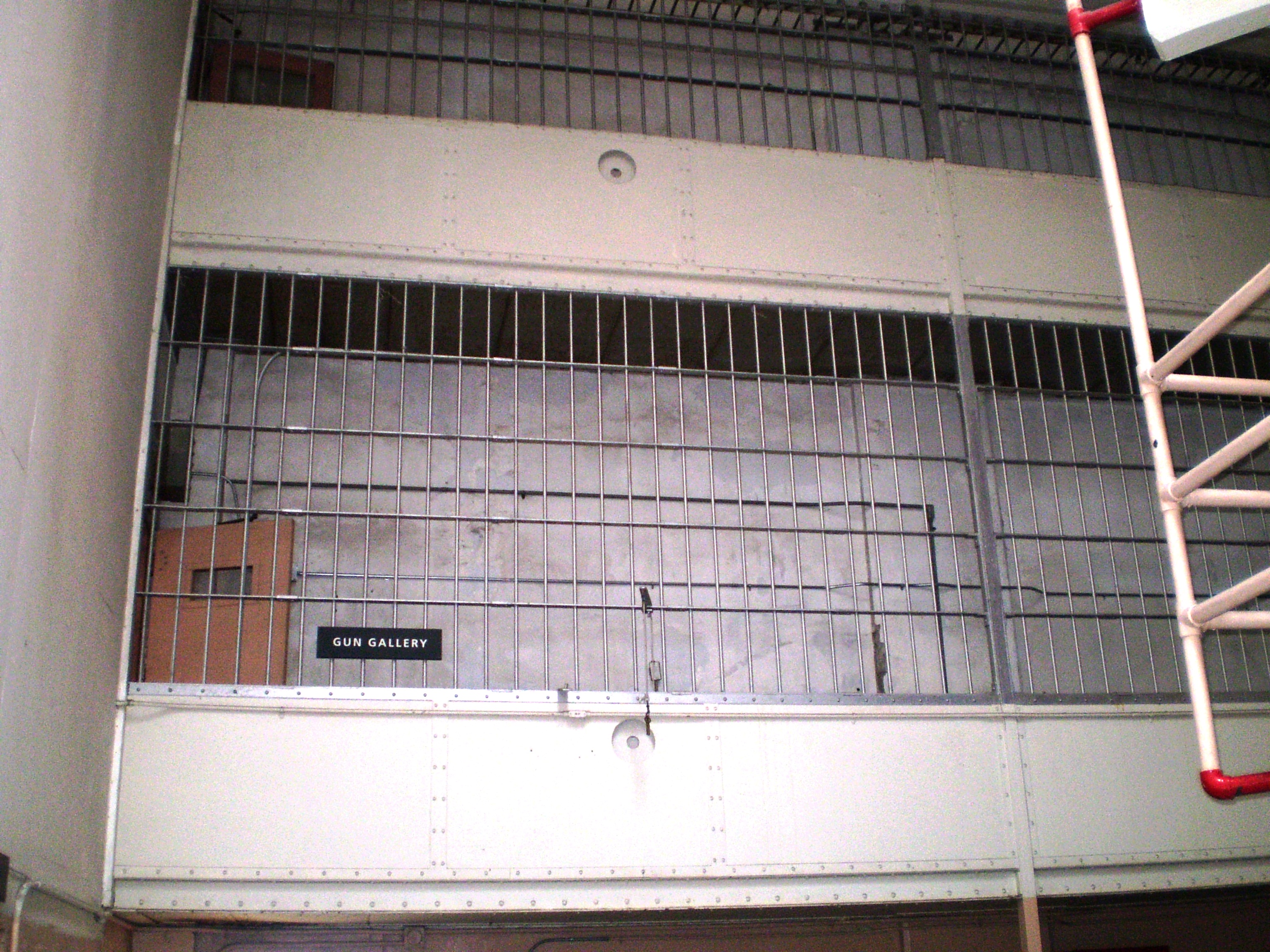
In 1934, the Bureau of Prisons converted Alcatraz into a maximum-security federal penitentiary designed for the country's most dangerous and escape-prone criminals. The new prison featured tool-proof steel bars, remote-controlled doors, and constant guard surveillance. Prisoners were sent here from other prisons, not sentenced directly - Alcatraz was a destination for the incorrigible. Al Capone arrived from Atlanta in 1934. George 'Machine Gun' Kelly came from Leavenworth. Robert Stroud, who had killed a guard at Leavenworth, spent 17 years in Alcatraz's isolation cells. The prison's reputation was carefully cultivated - it was meant to be feared, a place from which there was no escape and no hope.
The Escapes
Thirty-six prisoners attempted escape from Alcatraz in 14 separate incidents. Most were caught, shot, or drowned. The most famous attempt came in June 1962, when Frank Morris and brothers John and Clarence Anglin dug through walls with sharpened spoons, fashioned a raft from raincoats, and vanished into the bay. They were never found - dead or alive. The FBI officially lists them as presumed drowned, but conspiracy theories persist. The 'Battle of Alcatraz' in 1946 saw six prisoners seize weapons and hold guards hostage; two guards and three prisoners died before Marines retook the cellhouse. These violent episodes contributed to the prison's mythology.
The Occupation
In November 1969, Native American activists occupied Alcatraz under the banner 'Indians of All Tribes.' They claimed the island under an 1868 Sioux treaty that supposedly allowed Indigenous peoples to claim surplus federal property. The occupation lasted 19 months, drawing national attention to Native American issues and inspiring indigenous activism nationwide. The occupiers proposed an Indian cultural center and university. The government refused negotiation, and the occupation ended in June 1971 when federal marshals removed the remaining 15 occupiers. The occupation left graffiti still visible on the island: 'Indians Welcome' and 'This is Indian Land.'
Visiting Alcatraz
Alcatraz Island is accessible only by ferry from San Francisco's Pier 33. Alcatraz Cruises operates the only authorized service; tickets should be booked weeks in advance, especially for night tours. The ferry ride takes 15 minutes. On the island, visitors can take the cellhouse audio tour (narrated by former guards and prisoners), explore the grounds, and view the Native American occupation sites. National Park Service rangers offer programs. The island is steep and requires walking; accessibility options exist but are limited. Allow 2-3 hours on the island. The last ferry departs around 6:30 PM for day visits; night tours run later. Fog is common - bring layers.
From the Air
Located at 37.83°N, 122.42°W in San Francisco Bay. From altitude, Alcatraz Island is unmistakable - a rocky island with a lighthouse, the main cellhouse, and support buildings. The island sits northeast of San Francisco, south of Angel Island, and west of the Oakland shoreline. The Golden Gate Bridge is visible to the west. The Bay Bridge connects San Francisco to Oakland to the east. The ferry route from Pier 33 is visible. San Francisco's skyline rises to the south. The cold, swift currents that made escape so dangerous are not visible from above, but the isolation is clear - Alcatraz floats alone in the bay, separated from freedom by 1.5 miles of water.