Alcatraz: The Rock That Held America's Worst (And Some Who Weren't)
Alcatraz Island sits in San Francisco Bay, 1.25 miles from the city, surrounded by cold water and treacherous currents. The federal government converted it to a maximum-security prison in 1934, designed to hold inmates too dangerous or escape-prone for other facilities. Al Capone served four years here. George 'Machine Gun' Kelly served 17 years. Robert Stroud, the 'Birdman of Alcatraz,' spent 17 years in isolation (he raised his birds at Leavenworth, not here). The prison closed in 1963, too expensive to maintain on an island where everything must be shipped. The Rock became legend: no one ever officially escaped, though three men in 1962 were never found, their fate unknown.
The Prison
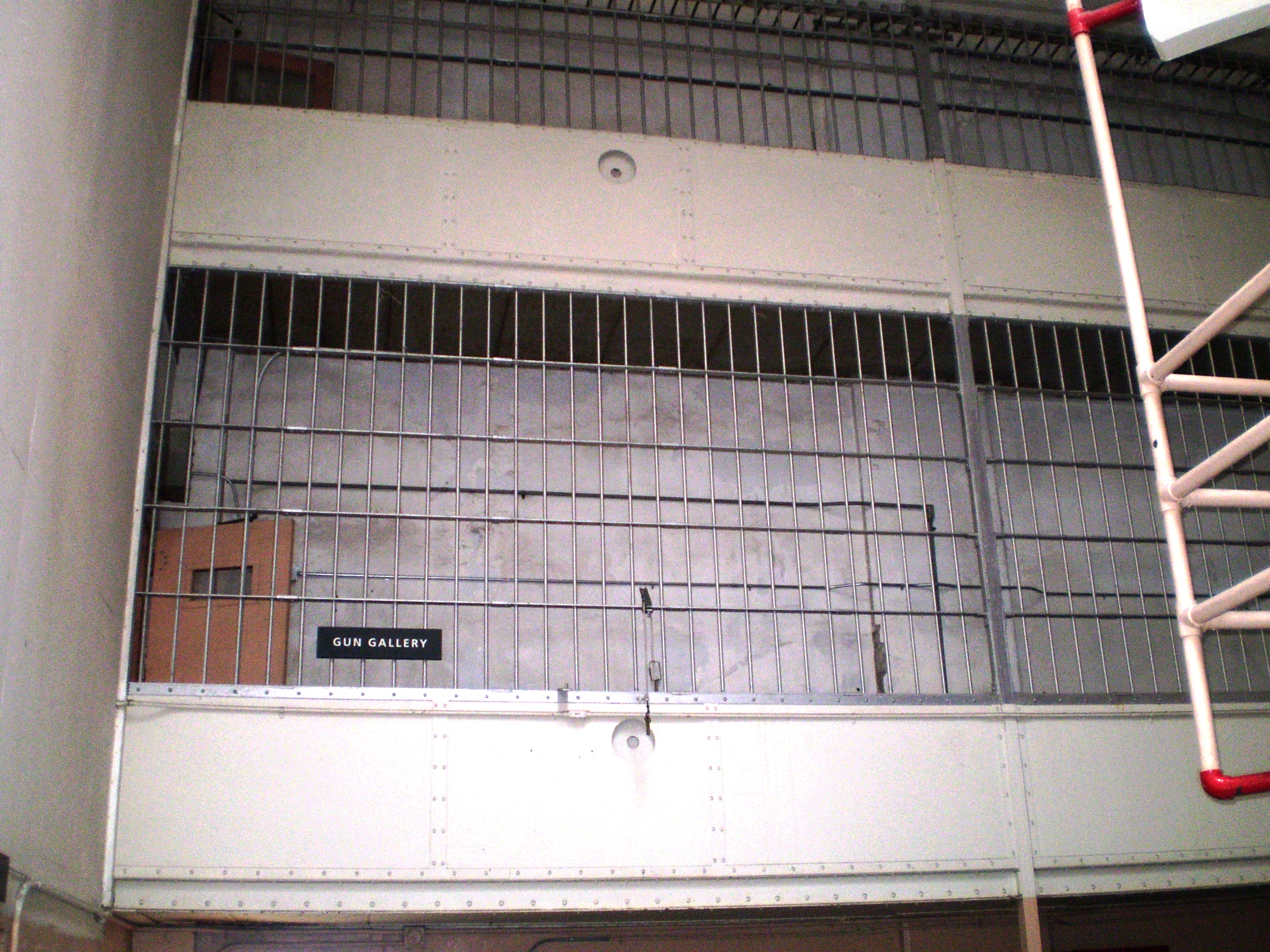
Alcatraz was designed for incorrigibles - inmates who caused trouble elsewhere. Cells were five by nine feet. Silence rules were strict. Privileges were earned: work, recreation, correspondence, all depended on behavior. The island's isolation was the security: 1.25 miles of 50-degree water with powerful currents, visible escape routes patrolled by guards. The prisoners included bootleggers, kidnappers, bank robbers - Depression-era celebrities of crime. Some hardened further; others adapted. The prison held roughly 250 inmates at a time, a small facility whose reputation far exceeded its size.
The Escapes
Thirty-six prisoners tried to escape in 14 attempts; 23 were caught, 6 were shot and killed, 2 drowned. Three are officially listed as 'missing and presumed drowned' - Frank Morris and brothers John and Clarence Anglin, who in June 1962 chipped through concrete with spoons, climbed ventilation shafts, and launched a raft made of raincoats into the bay. A life vest and paddle washed ashore; the men never did. The FBI maintained they drowned. The Anglin family claimed to have received photos and letters proving survival. The mystery persists: Alcatraz's most famous escape attempt may have succeeded, or may have ended in the cold dark water.
The Occupation
After the prison closed in 1963, the island sat abandoned. In November 1969, Native American activists occupied Alcatraz, claiming it under an 1868 Sioux treaty that allowed Indians to reclaim surplus federal land. The occupation lasted 19 months, drawing international attention to Native American grievances, inspiring activism nationwide. The government eventually removed the remaining occupiers in June 1971. The occupation achieved symbolic victory: it catalyzed the Native American rights movement, led to policy changes, and demonstrated the power of dramatic protest. The graffiti from the occupation - 'Indians Welcome' - remains on the island.
The Tourism
Alcatraz joined the Golden Gate National Recreation Area in 1972 and opened to visitors in 1973. Today, 1.4 million people annually take the ferry from Fisherman's Wharf, tour the cellhouse, and experience the audio tour narrated by former guards and inmates. The experience is carefully curated: cells preserved, solitary confinement explained, escape attempts dramatized. The island also hosts significant bird colonies - pelicans, cormorants, gulls - protected habitat in the middle of urban waters. The prison that was America's most feared is now America's most visited island attraction.
Visiting Alcatraz
Alcatraz Island is located in San Francisco Bay, accessible only by ferry from Pier 33 near Fisherman's Wharf. Tickets are sold by Alcatraz Cruises and book weeks ahead in summer; early reservation is essential. The ferry ride takes 15 minutes; the self-guided audio tour through the cellhouse takes 45-90 minutes. Night tours, offered several evenings weekly, provide dramatic atmosphere. The island has limited facilities - no food service, limited shelter. Comfortable walking shoes and layers are essential; the island is windy and colder than the city. The experience confronts visitors with the reality of imprisonment, the mystery of escape, and the history that continues to draw over a million people yearly to a rock in the bay.
From the Air
Located at 37.83°N, 122.42°W in San Francisco Bay, 1.25 miles from the city waterfront. From altitude, Alcatraz appears as a small rocky island dominated by the prison buildings - the main cellhouse, water tower, and warden's residence visible on the island's highest ground. Ferry boats trace lines between the island and Pier 33. The Golden Gate Bridge lies to the west; the Bay Bridge to the east. The currents around the island are visible in the water patterns. What appears from altitude as a small developed island is one of America's most famous prisons - where the worst offenders served time, where three men may or may not have escaped, and where tourism now brings more visitors daily than the prison ever held inmates.