American Legation, Tangier
In December 1777, Sultan Mohammed ben Abdallah of Morocco issued a proclamation recognizing the independence of the United States from Great Britain. No other nation on earth had done so first. That act of diplomatic recognition, years before the Revolution was even won, set in motion a relationship that would produce a singular building: the Tangier American Legation, the first property the U.S. government ever owned abroad and, to this day, the only U.S. National Historic Landmark in a foreign country.
A Gift Between Sovereigns
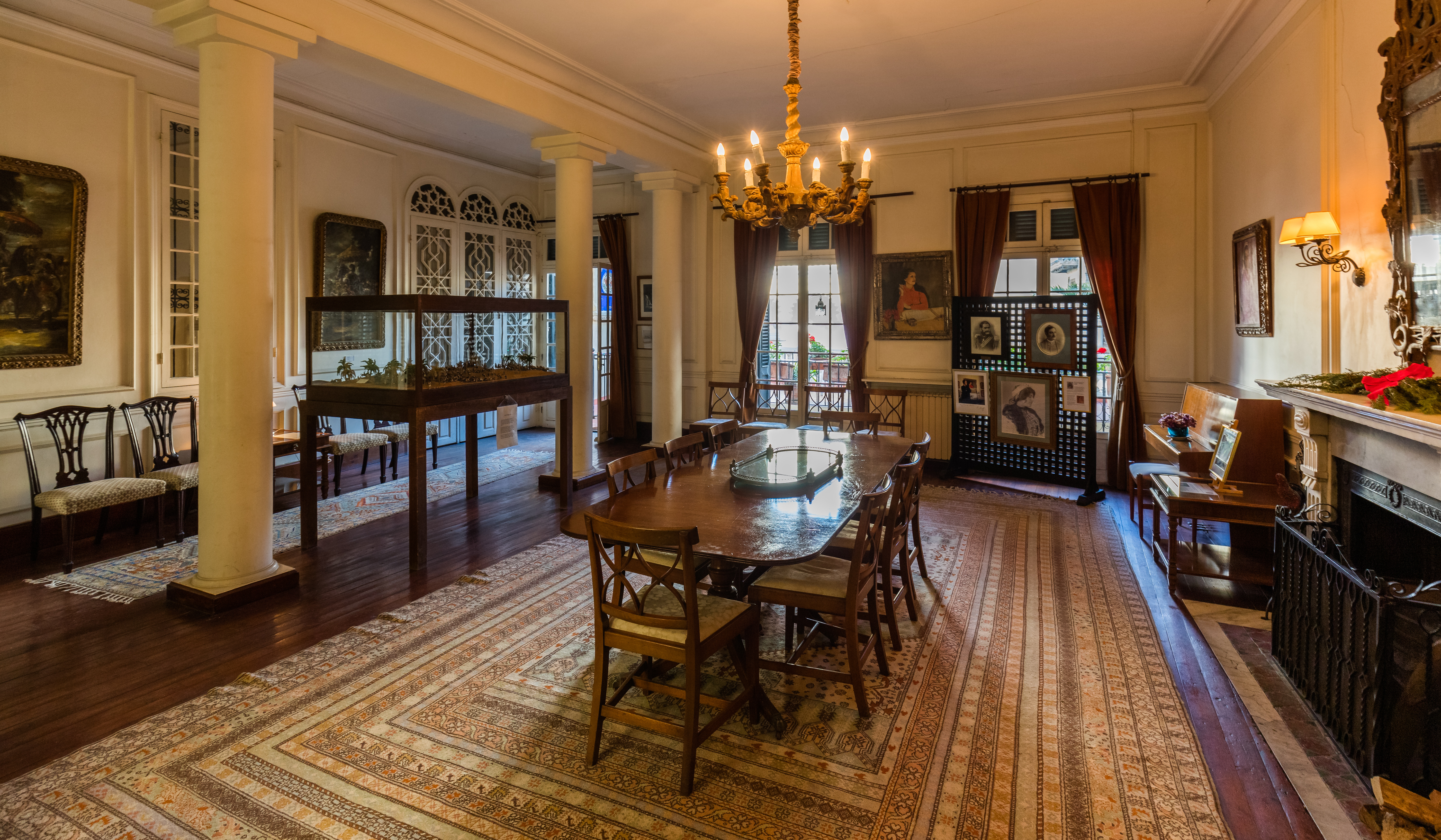
On May 17, 1821, Sultan Moulay Suliman presented a two-story mud and stone building in Tangier's medina to the United States government. The building served as the American diplomatic post in Morocco for the next 140 years -- the longest period any building abroad has been continuously occupied as a U.S. diplomatic mission. The gift was symbolic of the 1786 Moroccan-American Treaty of Friendship, one of the oldest unbroken treaties in American diplomatic history, and it cemented a relationship between two nations separated by an ocean but connected by mutual strategic interest. Over the decades, the legation expanded as the surrounding houses were bought up and incorporated into the complex, creating the elaborate Moorish-style building of stuccoed masonry that stands today.
Spies, Diplomats, and Expatriates
The legation played its most dramatic role during World War II, when it served as headquarters for United States intelligence agents operating in North Africa. The medina's narrow streets and the building's labyrinthine interior made it well suited for clandestine work. After Morocco gained independence in 1956 and moved its diplomatic capital from Tangier to Rabat, the legation lost its original purpose. The U.S. government used it for consular offices, Peace Corps offices, and various other functions before the building was gradually neglected and threatened with demolition. The threat of losing this historic property galvanized action -- though not from the government, but from private citizens who understood what the building represented.
Saved by Diplomats, Sustained by Culture
In 1976, a group of former American diplomats established the nonprofit Tangier American Legation Museum Society to rescue the building. The society rents the structure, which remains U.S. government property, and has transformed it into a museum and cultural center. The Tangier American Legation Institute for Moroccan Studies houses paintings by Marguerite McBey, Mohamed Hamri, and other artists alongside historical exhibits on the long relationship between Morocco and the United States. In 2010, the institute expanded the Paul Bowles Room into a full wing -- three rooms devoted to the expatriate writer and composer who made Tangier his home for over fifty years. A research library and conference room support scholarly work, and the institute runs Arabic literacy courses for women living in the Tangier medina.
Landmark on Foreign Soil
The legation was listed on the U.S. National Register of Historic Places in 1981 and designated a National Historic Landmark the following year. It is one of 39 properties owned by the U.S. Department of State listed in the Register of Culturally Significant Property. The designation makes it unique: no other National Historic Landmark exists outside the borders of the United States. Walking through its rooms -- past the diplomatic artifacts, the art collections, the intelligence history of wartime North Africa, and the literary legacy of Paul Bowles -- you encounter a building that has served as a vessel for nearly every dimension of America's relationship with the wider world: diplomacy, espionage, cultural exchange, and the simple act of being present in a place for two hundred years.
From the Air
Coordinates: 35.784N, 5.811W. The legation sits within Tangier's old medina, which is visible from the air as the dense historic core near the port. Tangier's harbor and the Strait of Gibraltar are prominent landmarks. Nearest airport: GMTT (Tangier Ibn Battouta, 15 km southwest). The Strait of Gibraltar, separating Africa from Europe by just 14 km, dominates the view to the north.