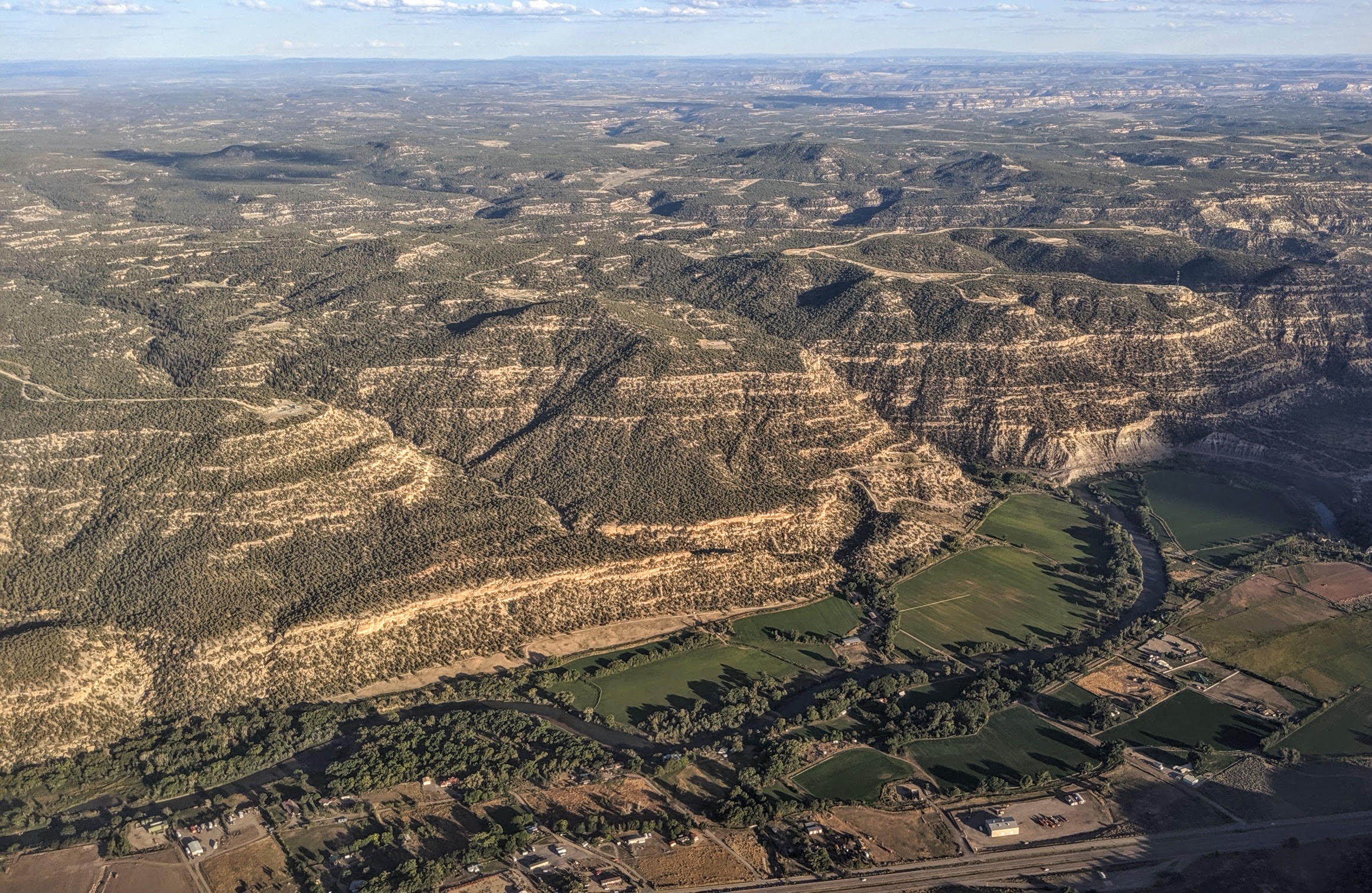
Animas River
Spanish explorer Juan Maria de Rivera recorded the name in 1765: "Rio de las Animas" -- the River of Souls. Some say the full name was once "Rio de las Animas Perdidas," the River of Lost Souls, commemorating people who died in its waters. The river has been earning that name ever since. Rising high in Colorado's San Juan Mountains at the ghost town of Animas Forks, it flows past the abandoned mining settlements of Eureka and Howardsville, through a canyon where a narrow-gauge railroad clings to the cliffs, past ancestral Puebloan ruins, and on into New Mexico. In August 2015, the river turned a shocking mustard yellow when three million gallons of mine waste poured into its waters. The Animas is a river that carries its history -- beautiful and catastrophic -- in plain sight.
Ghost Towns and Iron Rails
The Animas begins where the West and North forks converge at Animas Forks, a ghost town perched above 11,000 feet. From there it slides south past Eureka and Howardsville -- more ghost towns, more remnants of the silver mining frenzy that briefly electrified these mountains in the late 1800s. At Silverton, the river enters Animas Canyon, and here one of Colorado's most celebrated attractions takes over: the Durango and Silverton Narrow Gauge Railroad, a coal-fired steam train that has followed the river through the canyon since 1882. The railroad was built to haul silver ore; now it hauls tourists, but the scenery it passes through -- sheer canyon walls, the river churning far below -- remains genuinely spectacular. From Durango, the Animas flows south into New Mexico through Aztec to its confluence with the San Juan River at Farmington.
Ruins Along the Banks
At the town of Aztec, New Mexico, the ancestral Puebloan site of Aztec Ruins National Monument sits along the river. The complex contains the only fully reconstructed Anasazi kiva -- a ceremonial structure -- in the United States. For much of its course through New Mexico, the Animas flows through Ute and Navajo lands, a reminder that this river corridor has been a center of human habitation for centuries before the Spanish arrived. The Animas-La Plata Water Project, completed in 2015, pumps water over a low pass to fill Lake Nighthorse in Ridges Basin, satisfying Southern Ute tribal water rights claims associated with the Colorado Ute Settlement Act amendments of 2000. The Durango Pumping Plant, completed in 2011, draws an average of 57,100 acre-feet annually from the river for storage in that reservoir.
The Day the River Turned Orange
On August 5, 2015, a crew working for the Environmental Protection Agency accidentally removed a plug while investigating a leak at the abandoned Gold King Mine above Silverton. The mine had been leaking toxic water at 50 to 250 gallons per minute for years, but the plug's removal released approximately three million gallons of accumulated mine waste into Cement Creek, a tributary of the Animas. The plume -- a vivid, sickening yellow-orange -- contained arsenic, cadmium, lead, aluminum, and copper. The La Plata County Sheriff's Office closed the river to the public. During a September 2015 Oversight Committee hearing, it was revealed that the EPA had been aware of the possible blowout risk but chose to work around the problem rather than fix it. The Gold King Mine had last been active in the 1920s, nearly a century of toxic accumulation released in a single day.
Trout, Eagles, and Hollywood
Despite its troubled history with mining contamination, the Animas remains a celebrated recreation corridor. It accounts for 8.9 percent of Colorado's commercial rafting market, generating 45,411 commercial user days and over five million dollars in direct expenditures annually. The river is a gold medal fishery above Rivera Bridge Crossing, home to rainbow, brown, Colorado River cutthroat, and brook trout. Bald eagles migrate to the Animas in winter, drawn by the ice-free waters. Hollywood discovered the river too: in Butch Cassidy and the Sundance Kid, Robert Redford and Paul Newman leap into the Animas near Durango. In City Slickers, Billy Crystal rescues a calf from its rapids. The film The Naked Spur, starring James Stewart and Janet Leigh, features a central scene on the river. A four-mile National Recreation Trail runs along its banks in Farmington.
From the Air
Located at 37.93N, 107.57W in the San Juan Mountains of southwestern Colorado. The Animas River is a clearly visible waterway threading south from Silverton through Animas Canyon to Durango, then continuing into New Mexico to Farmington. The narrow-gauge railroad tracks are visible alongside the river in the canyon section. Look for Silverton nestled in the mountain valley to the north and Durango spread across the valley to the south. Nearest airports: Durango-La Plata County Airport (KDRO), Animas Air Park (00C). Lake Nighthorse reservoir is visible southwest of Durango. Recommended viewing altitude: 8,000-12,000 ft AGL to appreciate the full canyon and mountain context.