Antelope Canyon: Where Light Learns to Flow
At midday in summer, something miraculous happens in Antelope Canyon. Sunlight penetrates the narrow opening at the top of the slot canyon and hits the sandy floor below, creating visible beams that appear to flow like water through the sculpted sandstone walls. Photographers from around the world come to capture the light - the canyon may be the most photographed slot in the American Southwest. But Antelope Canyon is also deadly. The same narrow passages that create the ethereal light trap flash flood waters with lethal force. In 1997, eleven tourists drowned when a distant storm sent water roaring through the slot. The beauty and the danger come from the same geology.
The Formation
Antelope Canyon is carved into Navajo Sandstone, the same formation that creates much of the Colorado Plateau's spectacular scenery. Slot canyons form when water exploits cracks in the rock, eroding narrow passages that can reach hundreds of feet deep while remaining barely shoulder-width. The walls are sculpted by abrasive floodwaters carrying sand and debris, creating the smooth, flowing shapes that define slot canyon aesthetics. Antelope Canyon's two sections - Upper and Lower - developed along parallel fault lines. The process continues: each flash flood deepens and reshapes the passages.
The Light
Upper Antelope Canyon's fame comes from its light beams. During summer months, when the sun is high, light penetrates the narrow opening at the top and becomes visible in the dusty air. Tour guides toss sand into the beams to enhance the effect. The light appears to pour through the stone, creating columns and shafts that move slowly as the sun's angle changes. The peak beam season runs roughly from late March through early October; optimal times vary with the slot's orientation. Photographers book tours specifically timed for the best light angles.
The Danger
On August 12, 1997, eleven tourists died in Lower Antelope Canyon when a flash flood roared through the slot. The storm was miles away; the sky above the canyon was clear. The guide survived by clinging to a ledge. The tourists had no warning, no escape route, no chance. Flash floods in slot canyons are extraordinarily dangerous - water funnels through narrow passages at high velocity, rising from ankle-deep to over head in seconds. Since the disaster, tours are suspended when storms threaten anywhere in the watershed. The beauty that attracts visitors exists because of the same forces that kill them.
The Tourism
Antelope Canyon lies entirely within Navajo Nation land; all access requires Navajo-guided tours. Upper Antelope ('The Crack') offers easier access and the famous light beams; photography tours are more expensive but provide tripod time. Lower Antelope ('The Corkscrew') requires climbing ladders and offers different textures and angles. Crowds can be intense - the most popular slots receive hundreds of visitors per hour during peak season. The experience is commercial: guided groups move through on schedule, photographers jockey for position, the mystical quality competes with the logistics. But when light pours through stone, even the crowds don't entirely diminish the wonder.
Visiting Antelope Canyon
Antelope Canyon is located on Navajo Nation land near Page, Arizona, roughly 130 miles north of Flagstaff. All visits require Navajo-guided tours booked in advance; multiple tour operators serve both Upper and Lower canyons. Photography tours at Upper Antelope cost more and allow tripods; general tours are less expensive. Peak light beam season is approximately April through September; midday tours offer the best beams. Lower Antelope is less crowded but requires physical agility. Page has lodging and serves as a base for Lake Powell and Horseshoe Bend. Book tours well in advance during high season. Check weather conditions - tours cancel when flash flood risk is elevated.
From the Air
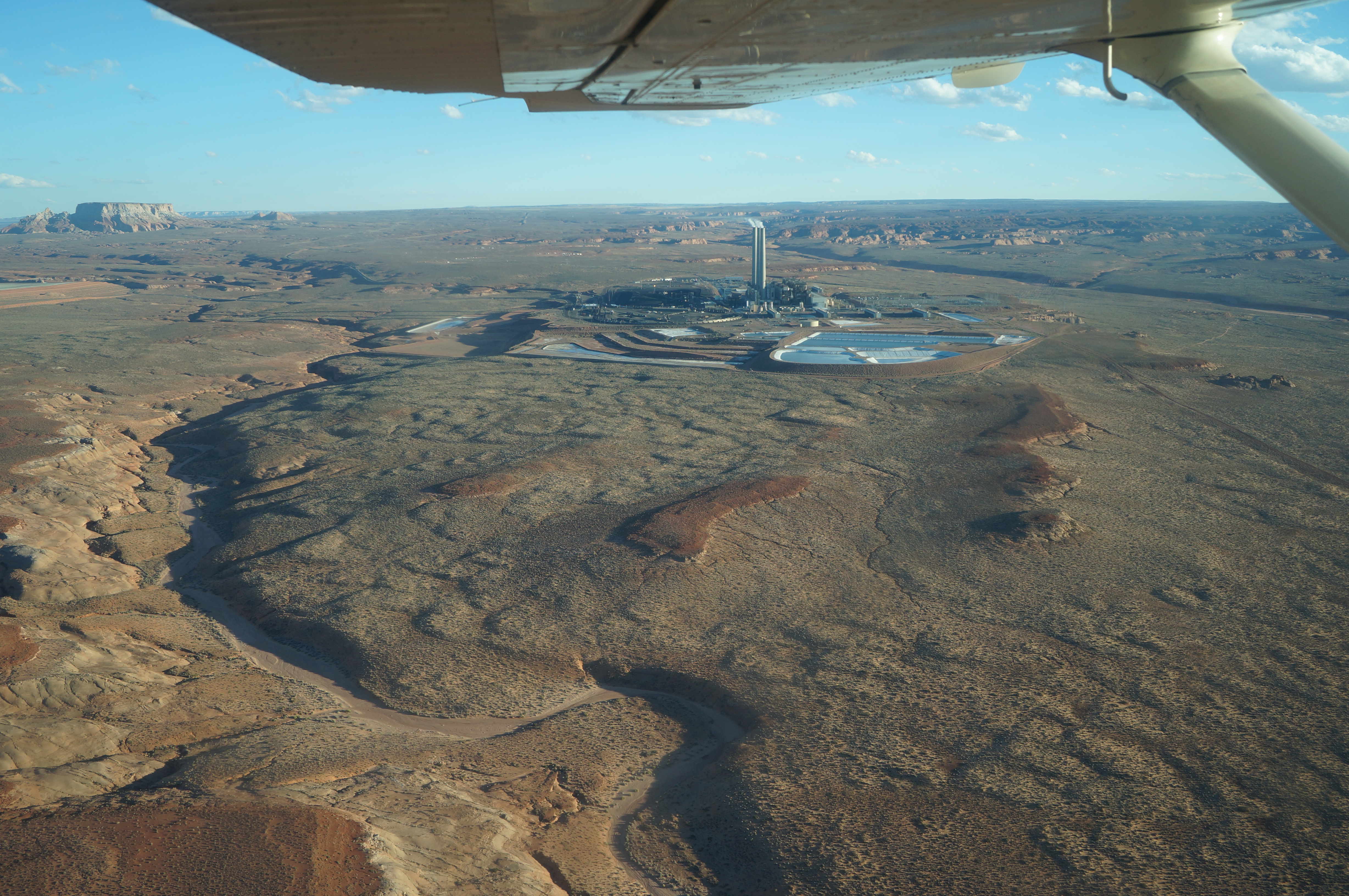
Located at 36.86°N, 111.37°W near Page, Arizona on the Colorado Plateau. From altitude, Antelope Canyon is invisible - the slot is too narrow to see from cruising height. The landscape appears as typical Colorado Plateau terrain: sandstone, dry washes, sparse vegetation. Lake Powell is visible to the north; Glen Canyon Dam is prominent. Page appears as a small city serving the lake. The terrain reveals the erosive forces that created the canyon - drainages cutting through sandstone - but the specific slots are too narrow to identify. The canyon exists at human scale, requiring descent into the earth to experience the light and form that make it famous.