Ashmolean Museum
By 1755, the dodo was so moth-eaten that the museum authorities ordered it burned. They saved only the head and one claw -- which remain in Oxford's natural history collection today, among the most important dodo specimens in existence. The bird had arrived as part of the extraordinary cabinet of curiosities assembled by John Tradescant the Elder and his son, travellers and collectors who gathered the rare and the remarkable from across the known world. Elias Ashmole acquired the Tradescant collection and gave it to the University of Oxford in 1677, on condition that they build a proper home for it. They did, and on 24 May 1683, Britain's first public museum opened its doors on Broad Street.
From Cabinet to Museum
The Tradescant collection was a seventeenth-century wonder: antique coins, books, engravings, geological specimens, zoological oddities, and the famous dodo. Ashmole, a scholar, antiquary, and -- less admirably -- a man who secured the collection through a legal dispute with Tradescant's widow, donated it to Oxford with two stipulations: a permanent lecturer in anthropology must be appointed, and a building must be provided for the collection alone. The university obliged, constructing a building on Broad Street sometimes attributed to Christopher Wren or Thomas Wood. Naturalist Robert Plot became the first keeper. The Ashmolean was not only Britain's first public museum but the world's second university museum, after the Kunstmuseum Basel, which the University of Basel had established in 1661.
A New Home on Beaumont Street
By the nineteenth century, the Broad Street building was inadequate for a collection that had grown far beyond Ashmole's original gift. Charles Robert Cockerell designed the present neoclassical building on Beaumont Street, which opened in 1845. The facade, with its grand portico of Ionic columns, faces the Randolph Hotel across the street and announces, in stone, the seriousness of what lies inside. The old building on Broad Street became the Museum of the History of Science. Today, the Ashmolean's collections span from predynastic Egyptian artefacts and Minoan frescoes to Renaissance paintings, Islamic art, and Chinese ceramics. The museum was comprehensively refurbished in a 39-million-pound project completed in 2009, with new galleries for Egypt and Nubia unveiled in 2011.
What the Walls Hold
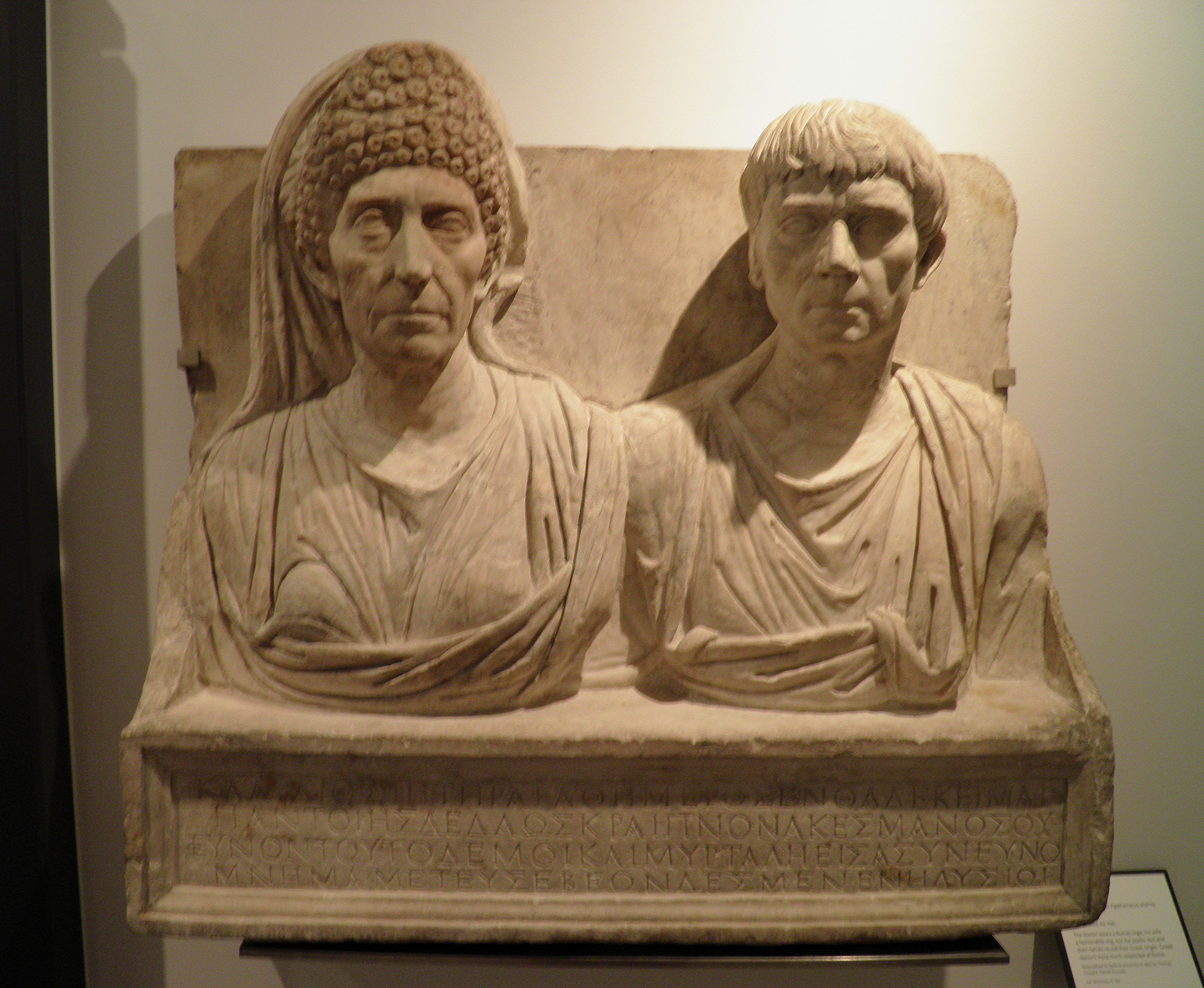
The depth of the Ashmolean's collection is staggering for a museum of its size. Among the antiquities are the Alfred Jewel -- a ninth-century gold, enamel, and rock crystal artefact believed to have been commissioned by Alfred the Great -- and the Parian Marble, a Greek chronicle carved in the third century BC that provides crucial dates for ancient history. The art collection includes works by Raphael, Michelangelo, Rembrandt, Turner, and Picasso. The museum holds what may be the finest collection of Pre-Raphaelite drawings in existence, along with an outstanding collection of prints. Recent additions include galleries of nineteenth-century art redisplayed in 2016. The breadth is the point: this is a museum where a visitor can move from an Egyptian mummy to a Stradivarius violin to a Cezanne landscape without leaving the building.
Oxford's Quiet Treasure
The Ashmolean sits at the heart of Oxford's museum quarter, alongside the Bodleian Library, the Sheldonian Theatre, and -- through the Museum of Natural History -- the Pitt Rivers Museum behind. Admission is free. On a quiet Tuesday afternoon in term time, the galleries can be nearly empty, allowing an intimacy with the objects that larger national museums rarely permit. The building itself repays attention: Cockerell's interior spaces, flooded with natural light from overhead lanterns, create a sequence of rooms that feel less like exhibition halls than the private library of a particularly well-travelled mind. Which, in a sense, is exactly what the museum has always been -- a collection that began with the curiosity of two gardeners and their patron, and grew to encompass much of human civilisation.
From the Air
Located at 51.755N, 1.26W on Beaumont Street in central Oxford. The neoclassical building is difficult to distinguish from the air amid Oxford's dense historic architecture, but sits northwest of the Bodleian Library complex. Oxford's famous spires and college quadrangles are visible on approach. Nearest airports: EGTK (Oxford Kidlington, 5nm north), EGUB (RAF Benson, 12nm southeast). Christ Church Meadow and the Thames/Isis provide orientation landmarks.