Asian Civilisations Museum
Sixty thousand ceramic bowls, plates, and ewers -- packed into the hold of a 9th-century Arabian trading dhow and preserved by Indonesian seabed for eleven centuries -- now sit in climate-controlled vitrines along the Singapore River. They are the centrepiece of the Asian Civilisations Museum, but they are hardly alone. From Gandharan Buddhas to Javanese temple carvings, from Peranakan goldwork to Chola bronzes of Hindu deities, the ACM holds one of the most ambitious attempts any museum has made to tell the story of an entire continent through its material culture.
From Armenian Street to the Empress
The museum began modestly. On 22 April 1997, it opened in the Old Tao Nan School building on Armenian Street with a collection focused primarily on Chinese civilisation. The building was charming but small, and the scope was narrow. Everything changed with the restoration of the Empress Place Building, a grand neoclassical structure originally completed in the 1860s, sitting where the Singapore River empties into Marina Bay. On 2 March 2003, the museum reopened in its new flagship home and rapidly expanded beyond China into the broader sweep of Asian art and history. The Armenian Street branch, meanwhile, was reinvented: it closed on 1 January 2006 and reopened on 25 April 2008 as the Peranakan Museum, devoted to the distinctive culture of the Straits-born communities who blended Malay, Chinese, and European traditions.
Four Civilisations Under One Roof
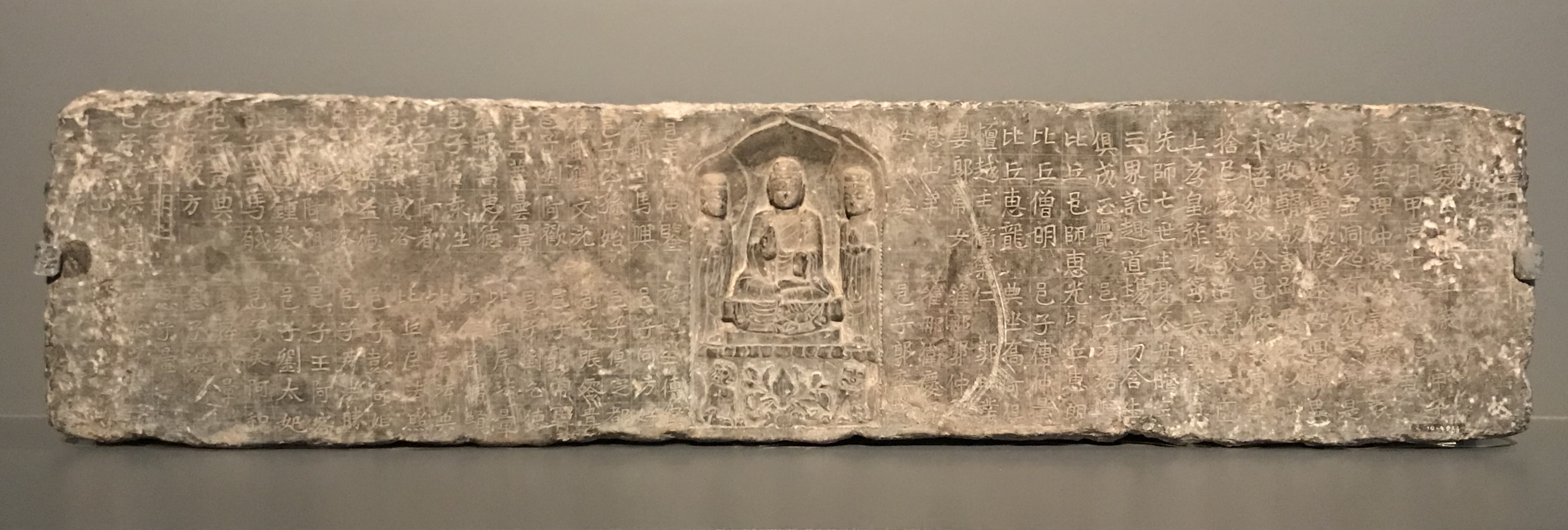
The ACM organises its permanent galleries around four broad regions -- China, South Asia, Southeast Asia, and West Asia -- reflecting the ancestral homelands from which Singapore's diverse ethnic communities trace their roots. The Chinese collection features fine Dehua porcelain figures, Taoist and Buddhist statuary, export porcelain, and calligraphy. The South Asian galleries hold Chola bronzes, including a sculpture of Uma as consort of Shiva, alongside a rare sandstone Mathura Buddha dating to the Kanishka era and the serene stone head of a Gandharan Bodhisattva. Walk further and the Southeast Asian galleries shift the register entirely: Khmer temple sculptures, Javanese carvings on loan from Leiden, Burmese and Thai Buddhist art, and the Sinicised temple art of Vietnam. Peranakan gold, tribal ornaments, and theatrical masks fill out the collection with objects that feel less like museum pieces and more like family heirlooms rescued from a dozen different attics.
The Tang Shipwreck
The museum's most celebrated holding is the cargo of the Belitung shipwreck, discovered in 1998 off Belitung Island in the Java Sea. The vessel was a 9th-century trading dhow, probably bound for the markets of Iran and Iraq, carrying more than 60,000 ceramics produced in China during the Tang dynasty (618-907), along with objects of gold and silver. Now permanently displayed in the Khoo Teck Puat Gallery, the collection represents the single largest consignment of Tang dynasty export goods ever recovered. What makes it extraordinary is not just scale but specificity: the bowls, ewers, and plates map the precise tastes and trade demands of the medieval Islamic world, revealing a commercial network that connected Chinese kilns to Arabian ports more than a thousand years before globalisation became a buzzword. Each ceramic fragment is evidence that the sea lanes running through Singapore's waters were already some of the busiest on Earth.
Living Museum, Living City
In 2014, TripAdvisor's Travellers' Choice awards named the ACM the top museum in Singapore and ranked it ninth across all of Asia -- the only Singaporean museum in the continent's top ten. The recognition coincided with a major revamp that unfolded in phases between 2014 and 2016, refreshing galleries and adding new interpretive layers. The museum has continued to push its boundaries: in 2021, the #SGFASHIONNOW exhibition, a collaboration with Lasalle College of the Arts and the Textile and Fashion Federation, marked the museum's first foray into contemporary Singapore fashion. It was a signal that the ACM sees its mission as extending beyond historical preservation into active cultural commentary. Standing on the Empress Place verandah at dusk, with the skyline of Marina Bay shimmering across the water, it becomes clear why the museum chose this location. The Singapore River carried the trade goods of empires. The museum simply catches what floats by and asks where it came from.
From the Air
Located at 1.2875°N, 103.851°E on the north bank of the Singapore River mouth, near the Esplanade Bridge. The Empress Place Building is a white neoclassical structure visible from low altitude along the riverfront. Singapore Changi Airport (WSSS) is approximately 15 km to the east. Seletar Airport (WSSL) is 14 km to the north. Marina Bay Sands and the ArtScience Museum are visible just across the bay to the southeast.