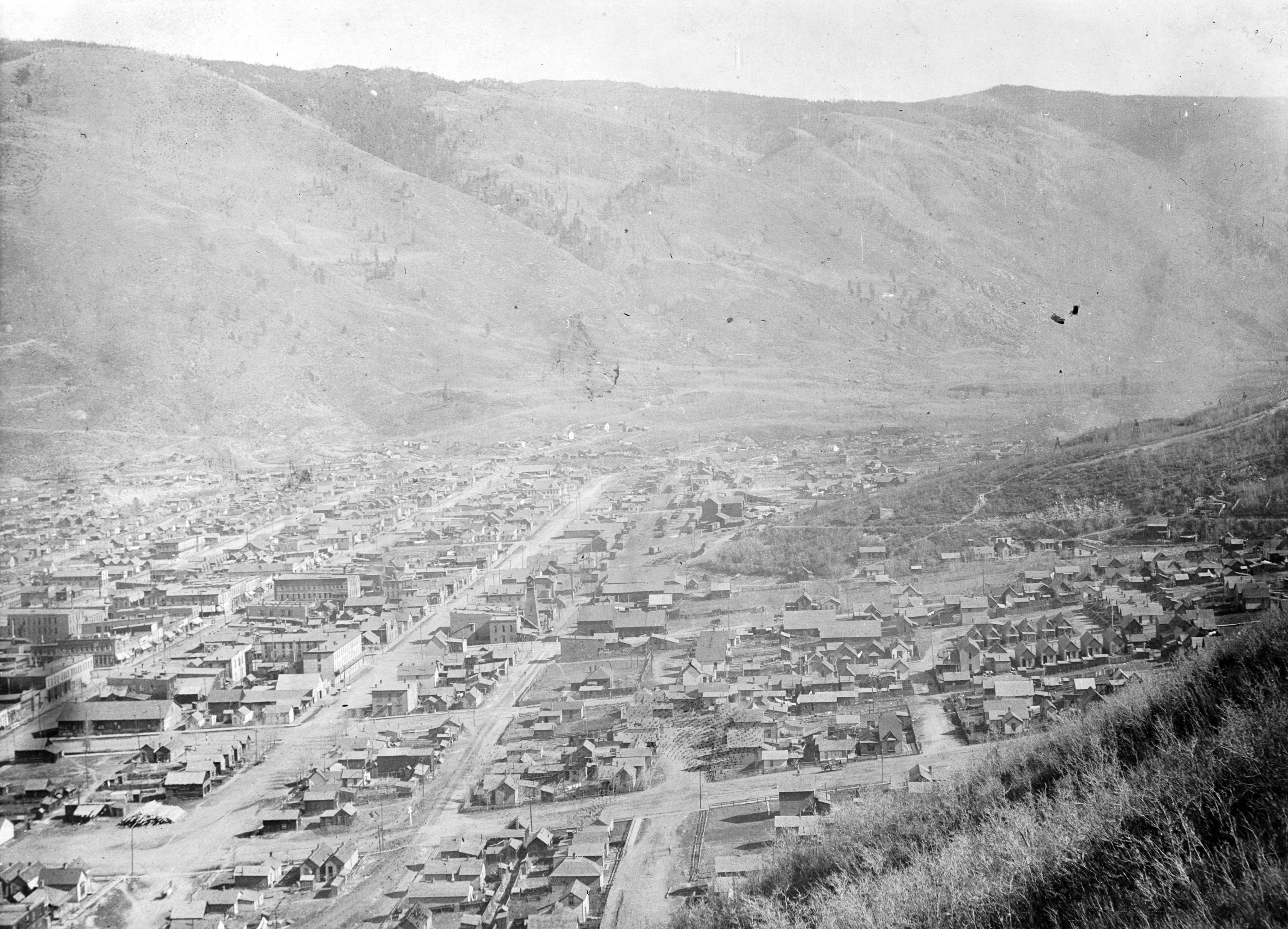
Aspen, Colorado
The median price of a single-family home in Aspen hit $9.5 million in 2021. In a town of fewer than 6,000 permanent residents, even deed-restricted affordable housing can cost close to $1 million. These numbers tell one version of Aspen's story -- the version of fur coats and private jets landing at Sardy Field. But Aspen began as something entirely different: a rough silver mining camp established in 1879 in the upper Roaring Fork Valley, accessible only by mountain passes that still close every winter under deep snow. The tension between those two identities -- hardscrabble mining town and rarefied playground -- defines Aspen more than any single ski run or celebrity sighting ever could.
Silver and Collapse
Aspen's founding in 1879 coincided with the Colorado Silver Boom, when prospectors pushed deep into the Rockies seeking ore. The town grew rapidly as the Smuggler Mine and other operations extracted wealth from the mountains. For a time, Aspen was one of the most productive silver mining districts in the world. Then came the crash. The repeal of the Sherman Silver Purchase Act in 1893 devastated silver prices and gutted Aspen's economy virtually overnight. The population plummeted. Grand Victorian buildings stood half-empty. For decades, Aspen existed as a quiet mountain hamlet, its boom-era architecture slowly weathering -- the Wheeler Opera House, the Hotel Jerome, the Pitkin County Courthouse, all relics of a vanished prosperity waiting for the next chapter.
The Ski Town Reinvention
That next chapter arrived on skis. The development of Aspen as a winter sports destination in the mid-twentieth century transformed the sleepy mining town into an international resort. Four ski areas now surround the town: Aspen Mountain, Aspen Highlands, Buttermilk, and Snowmass. Buttermilk has hosted the Winter X Games since 2002, producing homegrown talent like freestyle skiers Torin Yater-Wallace and Alex Ferreira, both of whom represented the United States in the Olympic Games. The mountains that once yielded silver now yield a different kind of wealth, drawing visitors from around the world to some of the most celebrated terrain in North American skiing.
The Valley's Bottleneck
Geography constrains Aspen in ways that amplify everything about it. State Highway 82 is the only major road in or out. Independence Pass, the eastern route over the Continental Divide, closes every year from roughly late October through Memorial Day under heavy snow, leaving the western approach through the Roaring Fork Valley as the sole winter access. Aspen-Pitkin County Airport, known as Sardy Field, is an FAA Class 1 facility with a single asphalt runway, served by American, Delta, and United Airlines. The Roaring Fork Transportation Authority provides free bus service within Aspen and Snowmass Village, while Amtrak reaches nearby Glenwood Springs. A bike-share program called WE-CYCLE offers 200 bikes across 16 stations. Despite all this, the bottleneck is real -- one road in, one road out, and a moratorium on new housing construction.
Sister Mountains
Aspen's sister cities read like a roster of the world's great mountain towns: Chamonix-Mont-Blanc in France, Davos in Switzerland, Garmisch-Partenkirchen in Germany, Queenstown in New Zealand, Bariloche in Argentina, Abetone Cutigliano in Italy, and Shimukappu in Japan. These partnerships reflect Aspen's self-image as a place that belongs not just to Colorado but to a global network of alpine communities. The Aspen Institute, the Aspen Center for Physics, and a vibrant cultural calendar ensure the town's identity extends well beyond recreation. Even the local rugby team -- the Gentlemen of Aspen -- won the Rugby Super League three times, in 1997, 2001, and 2002, a reminder that this small mountain town punches well above its weight in every arena it enters.
From the Air
Aspen sits at 39.19N, 106.82W in the Roaring Fork Valley at approximately 7,908 feet elevation. Aspen-Pitkin County Airport (KASE), also known as Sardy Field, has a single runway (15/33) and is known for challenging approaches through mountain terrain. High terrain surrounds the airport on multiple sides. Independence Pass (12,095 feet) lies to the east. The Elk Mountains and Maroon Bells are prominent landmarks to the southwest. Expect mountain wave turbulence, rapidly changing weather, and density altitude concerns. Glenwood Springs and the I-70 corridor are visible to the northwest.