Assassination of Olof Palme
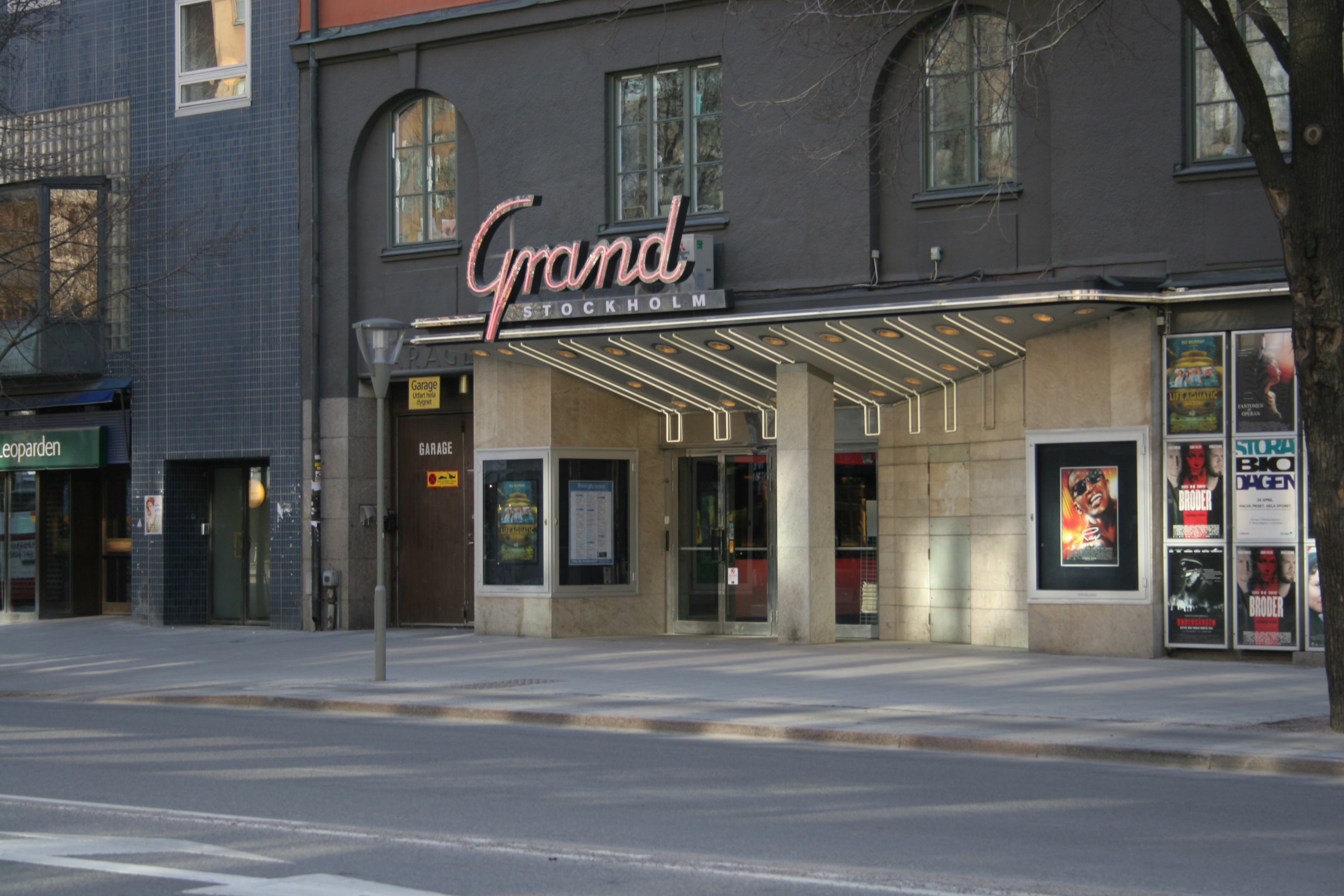
The ticket clerk at the Grand Cinema recognized him immediately. It was February 28, 1986, and Sweden's Prime Minister Olof Palme stood at the counter without bodyguards, hoping to catch a late showing with his wife Lisbeth. The clerk gave him the theater director's seats. Three hours later, at precisely 23:21, Palme lay dying on Sveavägen, one of Stockholm's busiest streets, felled by a single gunshot to the back. His wife Lisbeth, wounded by a second bullet, survived. The killer vanished into the night, jogging down Tunnelgatan and up the steps to Malmskillnadsgatan, where he was last seen. He has never been definitively identified.
A Prime Minister Without Guards
Palme had always insisted on living like an ordinary citizen. Despite holding Sweden's highest office, he routinely walked the streets of Stockholm without security, rode public transportation, and answered his own telephone. On that final evening, he and Lisbeth left their apartment at 20:30, took the subway to Rådmansgatan station, and walked to the Grand Cinema to meet their son. After the film, the couple headed home on foot. Witnesses later commented on the strange sight of the Prime Minister walking unprotected through the winter darkness. At the corner of Sveavägen and Tunnelgatan, near the Adolf Fredrik Church, a man appeared from behind and fired. A taxi driver used his mobile radio to raise the alarm. Palme was pronounced dead at Sabbatsberg Hospital at 00:06 on March 1st.
The World Mourns
The assassination sent shockwaves across the globe. Cuba, Portugal, and Nicaragua declared three days of national mourning. India, Argentina, and Yugoslavia each observed a day of mourning. On March 15th, dignitaries from 125 nations gathered in the Blue Hall of Stockholm City Hall for a two-hour secular funeral. King Carl XVI Gustaf delivered a eulogy, as did UN Secretary-General Javier Pérez de Cuéllar, Indian Prime Minister Rajiv Gandhi, and former West German Chancellor Willy Brandt. Jazz musician Arne Domnérus, one of Palme's favorites, led a small orchestra. Finnish singer Arja Saijonmaa performed a Swedish version of Violeta Parra's "Gracias a la vida." Palme was buried at Adolf Fredrik Church, just meters from where he fell.
The Labyrinth of Suspects
The investigation consumed 34 years, 350 million Swedish kronor, and 700,000 pages of documentation, making it the largest murder inquiry in police history. Christer Pettersson, a troubled alcoholic with a manslaughter conviction, was identified by Lisbeth Palme and convicted in 1988, then acquitted on appeal due to tainted lineup procedures and lack of a murder weapon. Theories proliferated wildly: South African apartheid agents retaliating for Palme's support of the ANC, arms dealers connected to the Bofors scandal in India, the CIA working with the Italian lodge Propaganda Due, Kurdish separatists, Yugoslav intelligence operatives, Swedish right-wing extremist police officers. A Smith & Wesson .357 Magnum recovered from a lake in 2006 was too corroded to test conclusively.
The Skandia Man
In June 2020, prosecutors named their final suspect: Stig Engström, an insurance company employee known as "the Skandia Man" whose office stood next to the murder scene. Engström had presented himself as a witness, claiming to be first on the scene, yet other witnesses described a fleeing killer who matched his appearance exactly. No one corroborated his presence after the shots. His movements that evening, about which he gave false information, placed him at the cinema earlier that night. Engström had died in 2000, making prosecution impossible. The investigation officially closed, though it remained unsolved. In December 2025, prosecutors announced that Engström was no longer considered the main suspect. The case would stay closed anyway. The corner of Sveavägen and Tunnelgatan now bears a simple memorial plaque: "Here, Sweden's Prime Minister Olof Palme was murdered, on 28 February 1986."
From the Air
Located at 59.34°N, 18.06°E in central Stockholm. The assassination site at the intersection of Sveavägen and Tunnelgatan is marked by a memorial plaque embedded in the sidewalk. Adolf Fredrik Church, where Palme is buried, stands visible one block north. Best viewed at 1,500-2,500 feet to see the urban grid. Stockholm Bromma Airport (ESSB) lies 4nm west. The Grand Cinema where the Palmes spent their final evening together is visible along Sveavägen, one of Stockholm's main north-south arteries.