Atlantic Wall Open Air Museum
Field Marshal Erwin Rommel walked these grounds in 1944, inspecting the concrete fortifications that Germany hoped would repel an Allied invasion. Today, visitors follow in his footsteps through one of the best-preserved sections of the Atlantic Wall in Europe. The bunkers, gun emplacements, and trenches near Ostend survive not because of their military significance, but because of a quirk of Belgian royalty. Prince Charles, Count of Flanders, owned this land, and after the war he made an unusual decision: rather than demolish the German fortifications, he ordered them preserved as a national monument. The result is an open-air museum where the concrete and steel of two world wars have been frozen in time.
The Aachen Battery
Long before Rommel arrived, German forces had fortified this stretch of Belgian coast. During World War I, the Aachen Battery was constructed to defend the nearby port of Ostend against naval attack. These earlier fortifications are among the rarest surviving examples of coastal defenses from the Great War, a conflict that left few such structures intact. The battery represents a different era of warfare, built before the lessons of the Western Front had fully transformed military engineering. Though less elaborate than what came later, the Aachen Battery establishes the site's layered history as a contested shoreline that two generations of German military planners deemed worth defending.
Hitler's Fortress Europe
The Atlantic Wall stretched from Norway to the Spanish border, a chain of fortifications meant to make Hitler's 'Fortress Europe' impregnable. The section at Raversijde near Ostend became part of this massive construction project during the second German occupation of Belgium. Workers poured concrete into wooden forms, creating over sixty bunkers, gun positions, and command posts connected by two miles of trenches. The Saltzwedel neu Battery represented the most sophisticated defensive technology of its time, designed to sweep the approaches to Ostend with overlapping fields of fire. When Rommel toured these positions in 1944, he was inspecting the physical manifestation of German confidence that the Western Allies could be stopped at the water's edge.
A Royal Preservation
When the guns fell silent in 1945, most communities wanted the reminders of occupation removed. Bunkers were demolished, trenches filled in, and the landscape returned to civilian use. But Prince Charles, who had served as Regent of Belgium during his nephew's minority, owned the land where these fortifications stood. His decision to preserve rather than destroy created an accidental time capsule. The bunkers remained sealed, their interiors untouched. The trenches kept their wartime profiles. What might have been erased from memory instead became a museum without walls, a place where the physicality of war could be experienced rather than merely read about.
Walking Through History
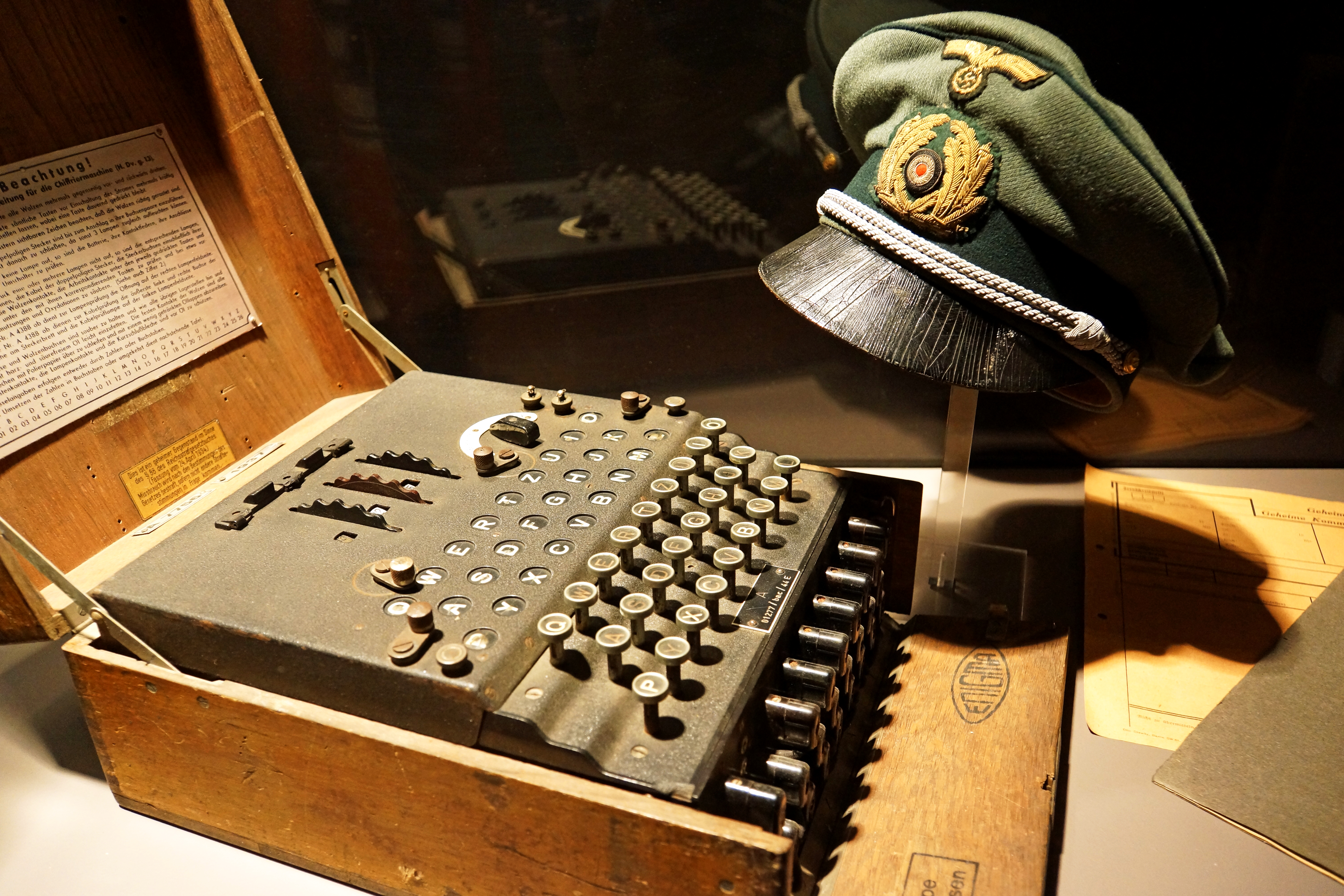
Today the museum displays uniforms, weapons, and equipment from both occupations within the restored bunkers. Visitors can stand in gun emplacements where German soldiers once scanned the horizon for Allied ships. They can walk the trenches that zigzagged across the dunes, understanding viscerally why such positions were difficult to assault. A PAK 40 anti-tank gun sits in its restored bunker, and rangefinders point toward a sea that never brought the invasion this sector feared. The Atlantic Wall failed catastrophically at Normandy, but here at Raversijde, the defenses remain as Rommel saw them, monuments to a strategy that crumbled elsewhere while this corner of the Belgian coast waited for an attack that never came.
From the Air
Located at 51.20N, 2.85E near Ostend on the Belgian coast. The museum grounds are visible as a preserved section of dunes and fortifications distinct from surrounding developed areas. Best viewed at 1,500-2,500 feet to observe the bunker layout and trench networks. The coastline provides clear orientation. Ostend-Bruges Airport (EBOS) lies approximately 5 km to the east. The fortifications extend inland from the beach, with the Saltzwedel neu Battery positions clearly visible from altitude in good conditions.