Atomic Bomb Casualty Commission
They called the survivors "the most important people living." Robert Holmes, director of the Atomic Bomb Casualty Commission from 1954 to 1957, meant it as recognition of their scientific significance. The hibakusha heard something else entirely. Established by presidential directive in November 1946, the ABCC arrived in Hiroshima and Nagasaki not to heal but to observe -- to catalog the biological consequences of the weapons that had destroyed two cities fifteen months earlier. For nearly thirty years, this American-funded commission examined, photographed, and drew blood from tens of thousands of atomic bomb survivors. It never offered them treatment. The data it collected shaped humanity's understanding of radiation's long-term effects on the human body. The cost of that knowledge fell entirely on the people who had already paid the most.
Study Without Care
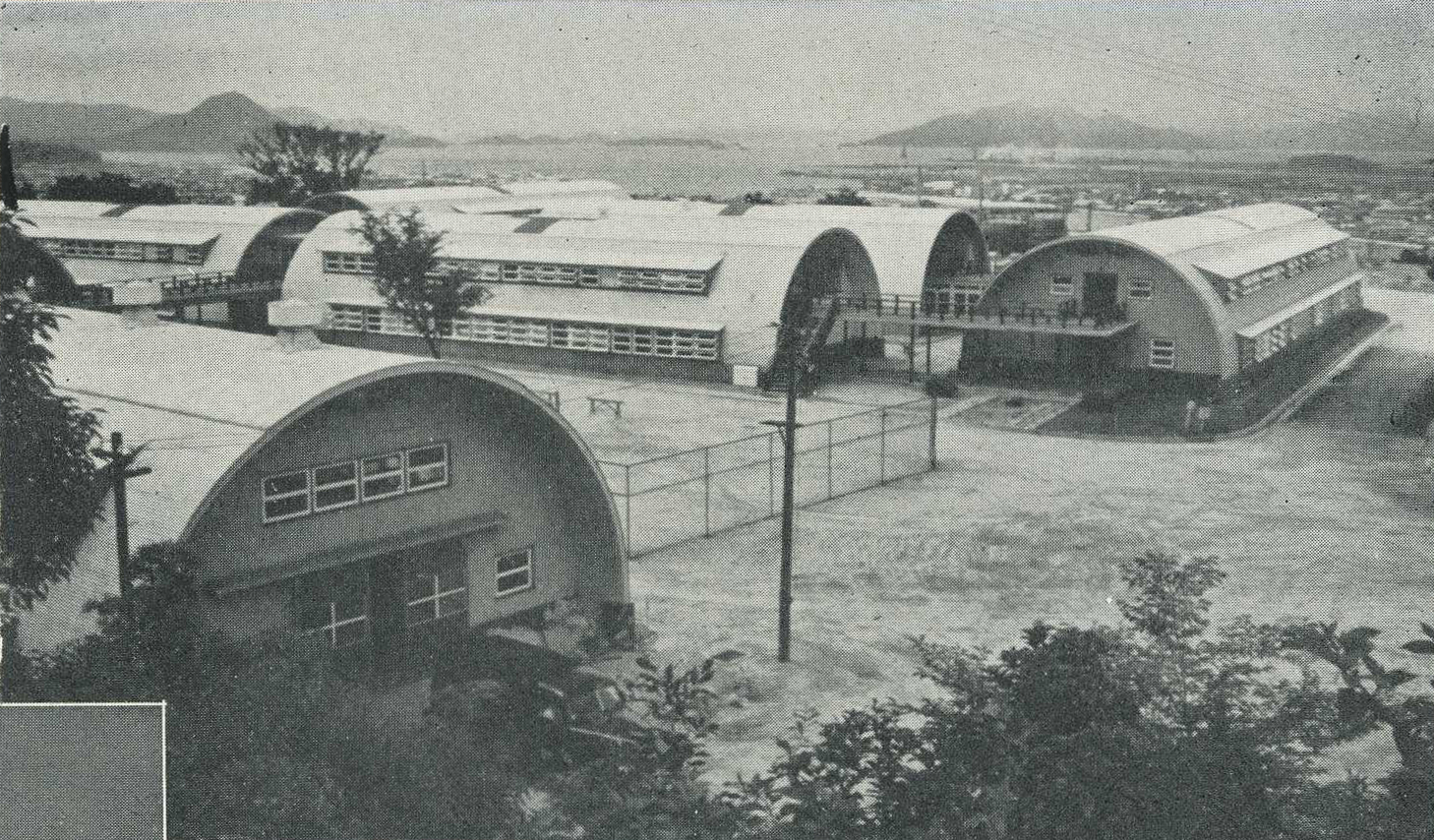
The commission's mandate was specific: investigate the late effects of radiation on human beings. President Harry S. Truman ordered its creation on November 26, 1946, under the authority of the National Academy of Sciences. When ABCC researchers arrived in Japan, they found that Japanese scientists under Masao Tsuzuki had already organized a thorough medical response, documenting four causes of injury -- heat, blast, primary radiation, and radioactive gas. The Americans absorbed this work and expanded it. By 1951, the ABCC employed 1,063 people, 920 of them Japanese. The staff conducted genetics studies on pregnant women and their children, seeking evidence of heritable radiation damage. They found no widespread genetic effects, but they did find increased rates of microcephaly and intellectual disabilities in children exposed in utero. What they did not do was treat anyone. Hibakusha who spent hours being examined -- losing a day's wages in the process -- received no medical care, no compensation, and sometimes not even refreshments. The waiting rooms had English signs and polished linoleum floors where women in wooden clogs slipped and fell.
The Weight of Being Watched
Hibakusha testified to the humiliation of remaining naked for hours while being photographed, filmed, and examined. The ABCC summoned survivors repeatedly for tests and, according to multiple accounts, even pulled children from schools without parental consent. For an already impoverished population struggling to rebuild lives in the ruins of their cities, each examination was a burden layered on top of the original catastrophe. The commission performed up to 500 autopsies annually, extracting tissues and organs -- often without family consent -- and shipping specimens to the United States. More than 23,000 pieces of data, including clinical reports and human remains, were classified as state secrets until May 1973. Pregnant women who survived the bombing and experienced miscarriages or gave birth to children with severe disabilities were told that stress and malnutrition were responsible. Censorship prevented them from learning the true cause for years. By the time their medical records became accessible, it was too late for many hibakusha to receive the care they needed or prove their status to the Japanese government.
Transformation and Reckoning
Trust in the ABCC eroded steadily. In 1951, the Atomic Energy Commission nearly cut its funding entirely, and only an appeal by geneticist James V. Neel kept the program alive at a reduced level of $20,000 per year. Neel and William J. Schull published their landmark study on radiation's effects on pregnancy termination in 1956, but the commission's reputation could not be rehabilitated. On April 1, 1975, the ABCC dissolved and reconstituted itself as the Radiation Effects Research Foundation, a binational organization jointly funded by the United States and Japan. The renaming was more than cosmetic -- it was an acknowledgment that the original arrangement, in which one nation studied the victims of its own weapons without offering care, was untenable. The RERF continues to operate today, still tracking the health of surviving hibakusha and their descendants. Historians have drawn parallels to the Tuskegee Syphilis Study, another case where researchers prioritized data collection over the wellbeing of their human subjects.
The Nishiyama District
Not all of the ABCC's work involved direct survivors of the blasts. In Nagasaki's Nishiyama district, mountains shielded residents from the initial heat and radiation, but radioactive ash and black rain contaminated their farmland. Health surveys were conducted without informing residents of their true purpose -- first by the U.S. military, then by the ABCC. Within months of the bombing, Nishiyama residents showed significantly elevated white blood cell counts. Researchers, aware that radiation exposure caused leukemia in animals, treated these unwitting farmers as an ideal population for studying the effects of residual radiation on humans. The residents continued farming on contaminated soil. Leukemia rates climbed. The ABCC also administered the radioactive contrast agent Thorotrast to male patients at a hospital in Kure between 1949 and 1951, a substance already known to cause internal radiation exposure and cancer. The commission's own records describe Nishiyama's residents as a convenient research population. The residents themselves were never asked.
From the Air
Located at 34.38N, 132.47E in Hiroshima, Japan. The ABCC operated from facilities on Hijiyama Hill, overlooking the city it studied. Hiroshima Airport (RJOA) lies approximately 45 km east. The Hiroshima Peace Memorial Park and Atomic Bomb Dome are visible to the west along the Ota River delta. Best viewed from 3,000-10,000 feet, where the compact urban layout of Hiroshima and its surrounding river channels are clearly visible.