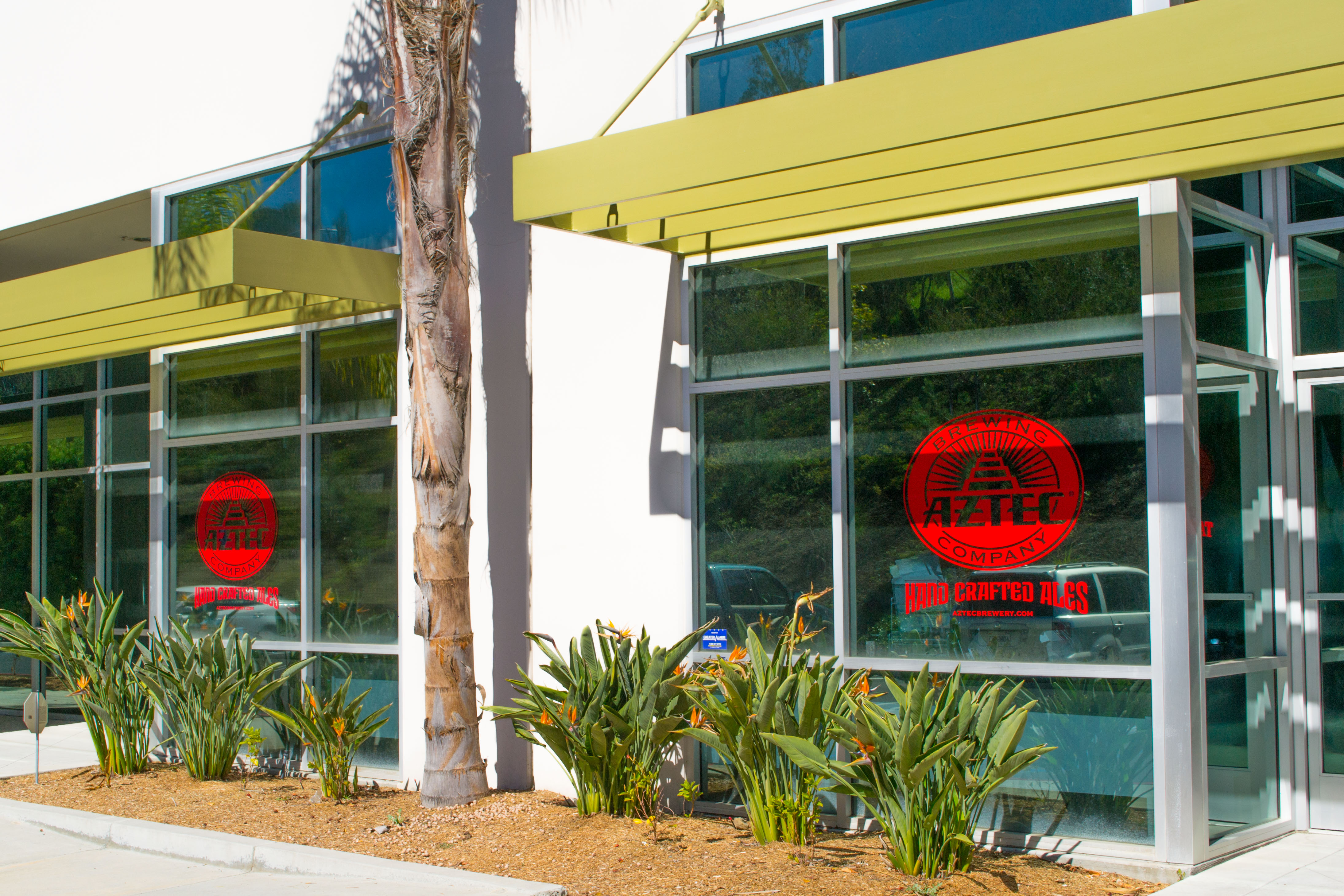
Aztec Brewing Company
In 1921, San Diego businessmen who wanted to brew beer had one obvious problem: it was illegal in the United States. The Eighteenth Amendment had been in effect since 1920, and the Volstead Act made the production of alcoholic beverages a federal crime. Mexicali, thirty miles south of the border, was under no such constraint. The businessmen incorporated the Aztec Brewing Company there, hired José Moya del Piño to paint murals of Aztec imagery on the brewery walls, and began producing ABC Beer. When Prohibition ended in 1933, they did what no brewery had done before or since: they moved the operation across the international border and set up in San Diego. Aztec Brewing Company holds the distinction of being the only brewery in history to relocate from Mexico to the United States.
The Mexicali Years
The Aztec brewery operated in Mexicali throughout the 1920s as a legitimate business in Mexican territory, serving both local customers and American tourists who crossed the border for the goods that Prohibition had made unavailable at home. ABC Beer won a gold medal at the 1929 Ibero-American Exposition in Seville, Spain — a distinction that required the beer to compete internationally and prevail. The murals that José Moya del Piño painted on the Mexicali brewery walls depicted pre-Columbian imagery and gave the brand a visual identity that its competitors in the borderlands could not easily replicate. When Prohibition ended and the brewery moved north, the murals could not come with it. They were eventually relocated to the Logan Heights Branch Library in San Diego, where they remain — brewing history translated into neighborhood art.
San Diego and the Second Act
The post-Prohibition San Diego operation ran until 1953, when Aztec Brewing Company closed after three decades of production. The closing followed a pattern common to smaller regional breweries in the mid-twentieth century: the consolidation of the American beer industry toward a handful of national brands made it increasingly difficult for regional operations to compete on price. Aztec's story seemed finished. The equipment dispersed, the recipes went to archives, and the brand became a footnote in histories of San Diego commerce and Prohibition-era entrepreneurship. The gold medal from Seville, the Mexicali murals, the border crossing — these were anecdotes rather than ongoing concerns. The story sat quiet for nearly sixty years.
The Revival
In 2011, Aztec Brewing Company was revived in Vista, a few miles inland from Carlsbad. The revival coincided with the explosive growth of craft brewing in San Diego County, a region that by the 2010s had developed one of the densest concentrations of craft breweries in the United States. The new Aztec drew on the original brand's history — the Mexicali founding, the international gold medal, the unique immigration story — as a marketing asset in a market crowded with newer competitors. The murals at Logan Heights Library provided a tangible connection to the brewery's first iteration. Whether the revived operation carries forward the character of the original or simply its name is a question that every brewery revival must answer. Aztec's answer is that the story of a San Diego business making beer in Mexico until it could come home is worth retelling.
From the Air
The revived Aztec Brewing Company is located in Vista at approximately 33.14963°N, 117.22982°W, inland from the Carlsbad coast. The area is visible from altitude as suburban commercial development in the hills east of the coast. Recommended viewing altitude 3,000–5,000 ft AGL. Nearby airports: KOKB (Oceanside Municipal, ~8 nm northwest), KSEE (Gillespie Field, ~18 nm southeast). The original Mexicali brewery location is approximately 115 km to the southeast across the international border.