Bacolod
The revolutionaries carried knives, bolos, spears, and rifle-shaped stems of nipa palm mounted on carts. On November 5, 1898, this improvised army -- led by Generals Aniceto Lacson and Juan Araneta -- marched on the Spanish garrison at Bacolod and won. The demoralized colonial troops, already beaten in Panay and Luzon, surrendered a convent to attackers whose most effective weapon had been psychological warfare. From that improbable victory, the City of Bacolod began its modern life: a coastal settlement on Negros Island that had been named for the hilly terrain its founders fled to, and that would grow into the sugar capital of the Philippines and the self-proclaimed City of Smiles.
From Magsungay to Bacolod
The city's origin story is a story of retreat. In the 1700s, Spanish missionaries placed a small coastal village called Magsungay -- meaning horn-shaped -- under the protection of Saint Sebastian. A corregidor named Luis Fernando de Luna donated a relic of the saint, and the settlement became San Sebastian de Magsungay. Then, on July 14, 1755, forces under Datu Bantilan of Sulu attacked the coastal village, and the surviving inhabitants fled inland to a hilly terrain they called bakolod, an Old Hiligaynon word for hill or mound. The site is now the barangay of Granada. The town did not have a resident priest until 1802, relying on clergy from neighboring Bago and Binalbagan. When Fray Julian Gonzaga arrived from Barcelona in 1817, he encouraged the people to move back toward the sea and open their lands to agriculture. By 1889, Bacolod had become the capital of the newly divided province of Negros Occidental.
Sugar and the City of Smiles
Sugar defined Bacolod's identity through the nineteenth and twentieth centuries. The surrounding province of Negros Occidental became the wealthiest in the Philippines on the strength of its sugarcane plantations, and Bacolod was the capital that spent the money. Burgos Street, once known as Millionaires' Row, lined up the grand houses of the sugar families -- the Villanuevas, the Ramoses, the Lizareses -- each one a monument to the sweet commodity that made fortunes and shaped an entire island's economy. As late as 2003, over 7,200 hectares of the city's agricultural land was still planted with sugarcane. But Bacolod has diversified. It is now the Philippines' third-fastest-growing economy in information technology and business process outsourcing, designated a center of excellence by the Department of Science and Technology in 2013. The MassKara Festival, held every October, captures the city's persistent optimism: dancers in elaborate smiling masks fill the streets, a tradition born in the 1980s when the sugar industry was in crisis and the city chose celebration over despair.
War on Millionaires' Row
When the Japanese occupied Bacolod on May 21, 1942, they did not build their own headquarters. They seized the tallest buildings on Burgos Street. Lieutenant General Takeshi Kawano Kono of the 77th Infantry Brigade, 102nd Division, moved into the Daku Balay, the art deco mansion of sugar planter Don Generoso Villanueva, which became the seat of Japanese power for Negros and the Central Visayas. The nearby home of Don Mariano Ramos, Bacolod's first municipal president, was commandeered for a Japanese colonel. The city endured three years of occupation until joint Filipino and American forces liberated it on May 29, 1945. In a rare act of restraint, the retreating Japanese spared both mansions from destruction. Major General Rapp Brush of the American 40th Infantry Division, the Sun Burst Division, then took up residence in the Villanueva house for approximately five months before the family could finally return home.
Chicken Inasal and the Good Life
Bacolod's claim to being the best place to live in the Philippines is not merely boosterism. MoneySense Magazine named it exactly that in 2008, and the Asian Institute of Management has ranked it tops among mid-size Philippine cities for both infrastructure and quality of life. The food helps. Chicken inasal, marinated in a blend of calamansi, pepper, and annatto oil and grilled over hot coals, is a Bacolod original that has spread across the archipelago. Piaya, a muscovado-filled flatbread, and napoleones, a layered puff pastry glazed with white sugar, are local delicacies that visitors carry home by the box. With a population of 624,787 as of the 2024 census, Bacolod is the most populous city in the Negros Island Region and the second most populous in the Visayas after Cebu City. The Panaad sa Negros Festival each April gathers all thirteen cities and nineteen municipalities of the province for a week of thanksgiving, while the Bacolod-Silay International Airport connects the city to Manila in roughly an hour.
From the Air
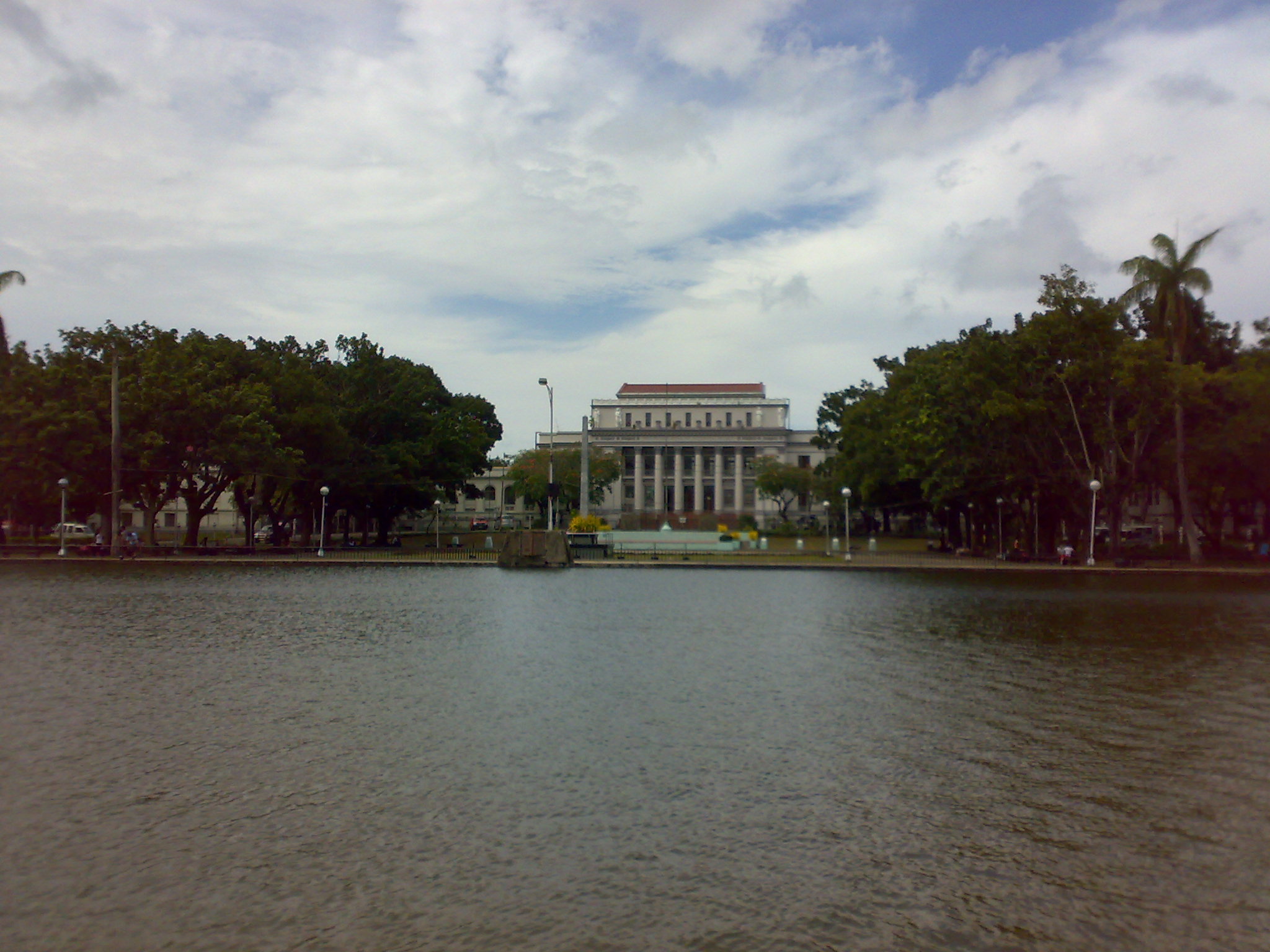
Located at 10.677°N, 122.951°E on the northwestern coast of Negros Island. Bacolod is a large urban area visible from altitude with the Guimaras Strait to the west and sugarcane plantations extending inland. The Negros Occidental Provincial Capitol complex and Capitol Park and Lagoon are visible landmarks near the city center. Nearest airport is Bacolod-Silay International Airport (RPVB), approximately 15 km northeast. The Panaad Stadium complex is identifiable in the southern part of the city. Best viewed at 3,000-5,000 ft AGL for the urban-rural transition from city to sugar fields.