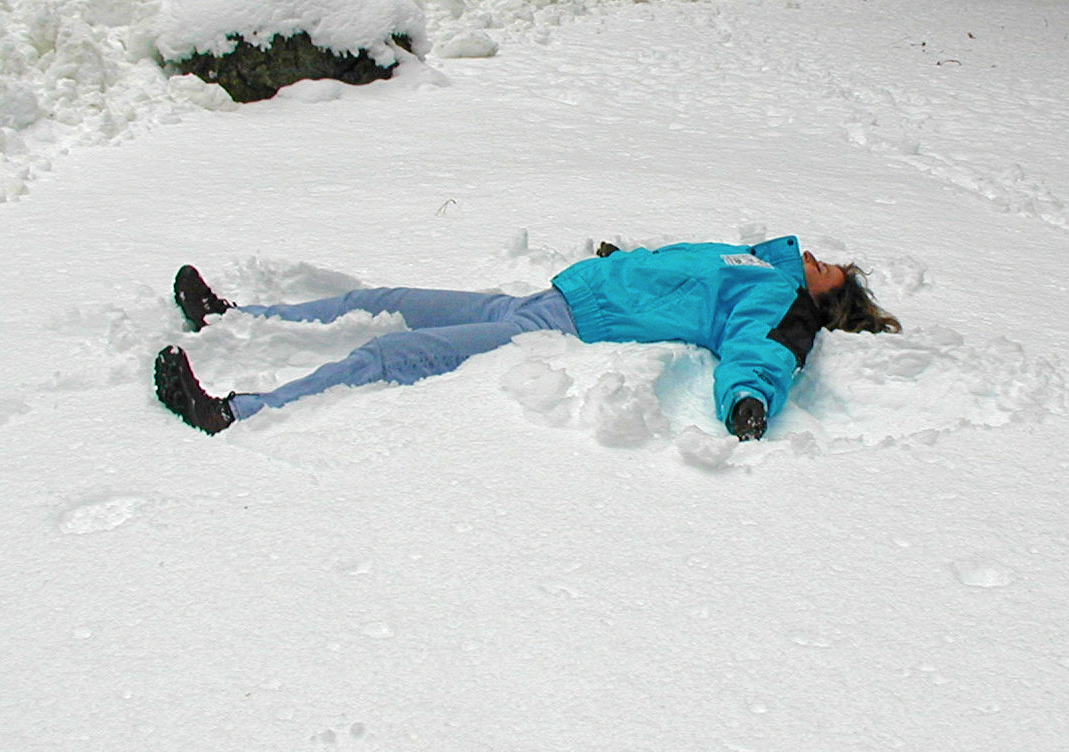
The Queen Mary on the Mountain
They called it the Queen Mary. Not the ocean liner, but a massive sled that crawled up and down a mountainside on a cable, carrying six skiers at a time to the summit of a slope inside Yosemite National Park. Installed in 1936, it was the first ski lift in the American West, and it operated at a place called Badger Pass - a 90-acre ski area at 7,200 feet elevation that remains one of only three lift-serviced ski resorts operating within a US national park. The others are Hurricane Ridge in Olympic National Park and Boston Mills/Brandywine in Cuyahoga Valley. Badger Pass has never tried to compete with the mega-resorts of Tahoe or Mammoth. It has 10 runs and 5 lifts. What it has instead is Yosemite.
A Swiss Instructor and an Olympic Dream
Winter sports arrived in Yosemite through ambition and opportunism. After the Ahwahnee Hotel opened in 1927, Donald Tresidder - president of the Yosemite Park and Curry Company and the man who had renamed the hotel from its working title just before opening - needed to keep guests coming through the cold months. In 1928, he hired Jules Fritsch, a Swiss ski expert, to run what many consider California's first ski school. Fritsch led six-day snow excursions from the Ahwahnee to Tenaya Lake, introducing visitors to a Yosemite most had never imagined. That same year, Tresidder formed the Yosemite Winter Club and built a small ski hill and jump near Tenaya Creek Bridge. When Los Angeles won the bid to host the 1932 Summer Olympics, Tresidder saw his opening: he partnered with William Garland, president of the Games' steering committee, to pitch Yosemite as a winter sports venue for those Olympics. Lake Placid was chosen instead, but the rejection only sharpened Tresidder's resolve.
Through the Tunnel to the Snow
The ski area that exists today owes its life to a tunnel. Before 1933, reaching the high country from the valley's south side required a long, winding road that discouraged all but the most determined visitors. The completion of the 0.8-mile Wawona Tunnel that year - an engineering marvel that created the famous Tunnel View lookout on its valley side - slashed travel times and opened access to Glacier Point Road. When that road was extended to Badger Pass in 1935, a ski lodge went up in Monroe Meadow, and 25,000 skiers came in the first season. The Queen Mary lift followed a year later. California's first slalom race had already been held at Badger Pass in 1933, and with real infrastructure now in place, the valley floor's informal winter activities gave way to a proper ski operation in the high country. During the Great Depression, Badger Pass offered something rare: affordable adventure in a spectacular setting.
A Name Held Hostage
In 2016, Badger Pass lost its name. When Delaware North, the outgoing park concessionaire, claimed it owned the trademarks for several Yosemite place names - including Ahwahnee, Curry Village, and Badger Pass - the ski area was rechristened "Yosemite Ski & Snowboard Area," a functional label stripped of all character. The dispute stemmed from Delaware North's 1993 purchase of the Yosemite Park and Curry Company's assets, which it argued included intellectual property rights to historic names. The National Park Service valued those intangible assets at $3.5 million; Delaware North sued for $51 million and ultimately settled for approximately $12 million. For three years, the ski area operated under its generic replacement name while lawyers negotiated. The settlement arrived on July 15, 2019, and Badger Pass became Badger Pass again. Few places in America have had their identity so literally contested in court.
Twenty-One Miles to Half Dome
Badger Pass's downhill terrain is modest by any measure: 10 runs dropping from 8,000 feet to the base at 7,200 feet, served by five lifts. The real draw is what happens when you clip into cross-country skis and head out along Glacier Point Road. The park offers 22 miles of groomed cross-country track and 90 miles of marked trails radiating from Badger Pass into Yosemite's high country. The 21-mile round trip to Glacier Point rewards skiers with winter views of Half Dome and Vernal Falls that few summer visitors ever see - the granite draped in snow, the waterfalls frozen into white curtains against dark rock. Two overnight huts along the route allow multi-day trips into the backcountry. Every February, Badger Pass hosts the Yosemite Nordic Holiday, a series of cross-country races that draws competitors to one of the most scenic courses in the Sierra. In the Snowflake Room at the restored Day Lodge, skiers warm their hands and watch the slopes through picture windows, the granite peaks of Yosemite rising behind every run.
From the Air
Located at 37.662°N, 119.664°W on the southern side of Yosemite National Park, approximately 5 miles south-southeast of the Chinquapin intersection where Wawona Road meets Glacier Point Road. At 7,200 ft elevation, the ski area is visible as a cleared slope amid dense forest along Glacier Point Road. The Wawona Tunnel is visible as a road disappearing into the mountain to the northeast. Nearest airport: Fresno Yosemite International (FAT), approximately 60 miles south. Best viewed at 8,000-10,000 ft MSL in clear winter conditions when snow coverage highlights the ski runs against surrounding forest.