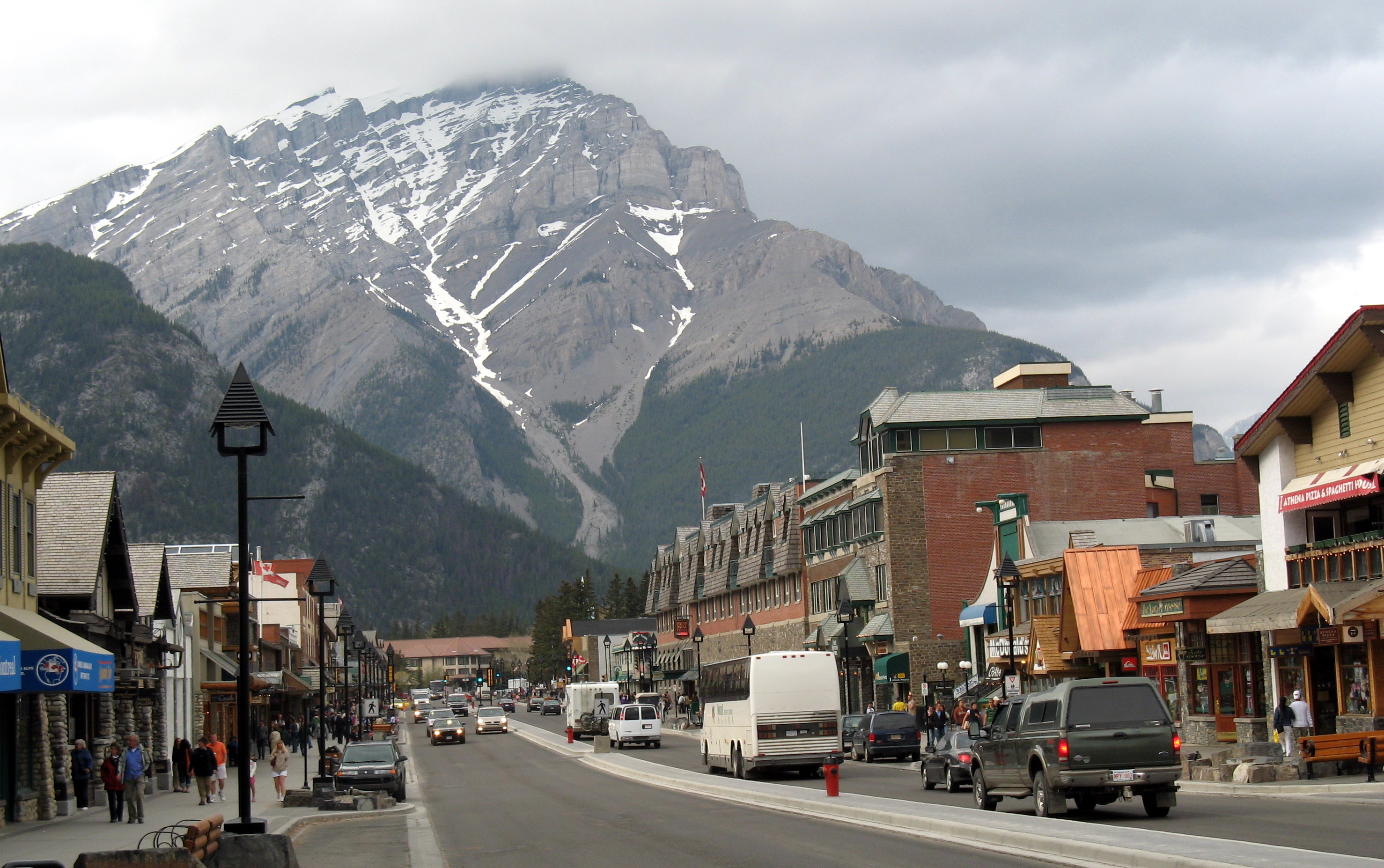
Banff Hot Springs: The Accidental Birth of Canada's National Parks
In 1883, three Canadian Pacific Railway workers stumbled onto something extraordinary: hot water flowing from the side of Sulphur Mountain in the Rockies. They climbed down a hole, found a cavern pool steaming in the darkness, and saw dollar signs. Natural hot springs were valuable; European spas attracted wealthy visitors. The three men claimed the springs; others disputed their claim; lawsuits flew. Prime Minister John A. Macdonald's government, faced with competing claims to a resource of obvious value, chose a radical solution: declare the springs public property. In 1885, Canada established the Banff Hot Springs Reserve - ten square miles around the discovery site. It was the seed that grew into Canada's national park system.
The Discovery
Frank McCabe and brothers William and Thomas McCardell were working on the Canadian Pacific Railway when they found hot water seeping from a mountainside. Following the source, they discovered a cave with a pool of hot mineral water - the Cave and Basin. They built a crude shack, claimed squatter's rights, and began planning a spa resort. But others contested their claim. Multiple parties filed competing applications. The dispute threatened to bog down in courts for years while the obviously valuable resource sat unexploited. The government needed a solution.
The Reserve
Rather than adjudicate competing private claims, the Dominion government declared the hot springs public property in 1885, compensating the original discoverers with $675 each. The Banff Hot Springs Reserve protected ten square miles - not for wilderness preservation, which wasn't the concern, but for commercial development as a resort destination. The Canadian Pacific Railway saw opportunity: passengers for their transcontinental line. The government saw revenue. Nobody was primarily interested in conservation. The park was created as an economic development project that happened to protect spectacular landscape.
The Expansion
The original reserve grew rapidly. Rocky Mountains Park (later Banff National Park) expanded to 260 square miles by 1887, then to over 1,800 square miles by 1902. Other parks followed: Glacier, Yoho, Jasper. The system eventually encompassed dozens of parks protecting millions of acres. What began as a fight over hot springs became one of the world's great conservation achievements. The utilitarian origins - tourism and railway revenue - gradually gave way to preservationist values. The parks that started as resorts became wilderness sanctuaries, their purpose evolving over generations.
The Springs Today
The Cave and Basin National Historic Site preserves the original discovery location. Visitors can view the cave pool (swimming no longer permitted due to endangered snail habitat) and walk the discovery trail. The Upper Hot Springs, higher on Sulphur Mountain, offer a commercial swimming facility fed by the same thermal system. The water emerges at roughly 47°C, rich in sulfates that create the characteristic smell. The springs that started everything still flow, still draw visitors, still justify the protection that began 140 years ago.
Visiting Banff Hot Springs
Banff National Park is located in the Canadian Rockies, roughly 130 kilometers west of Calgary via the Trans-Canada Highway. The Cave and Basin National Historic Site is open year-round; admission charged. The Upper Hot Springs pool offers public swimming with mountain views; towel and suit rentals available. The town of Banff has extensive lodging, dining, and services. Park entry requires a pass (available at entrance gates or online). The hot springs are most enjoyable in winter when contrast between cold air and warm water is greatest. Combine with other Banff attractions: Lake Louise, the gondola, the Icefields Parkway. Allow multiple days for the full park experience.
From the Air
Located at 51.16°N, 115.56°W in the Canadian Rocky Mountains. From altitude, Banff National Park appears as dramatic mountain terrain - peaks, glaciers, and valleys extending across over 6,600 square kilometers. The town of Banff is visible in the Bow River Valley. Sulphur Mountain, where the hot springs emerge, rises immediately south of town; the gondola line is visible in good conditions. The Trans-Canada Highway and Canadian Pacific Railway tracks follow the valley. Lake Louise gleams to the northwest. The park's scale is apparent from altitude - vast wilderness punctuated by valleys where development concentrates. The hot springs that started it all are invisible from above, their significance measured in policy rather than geography.