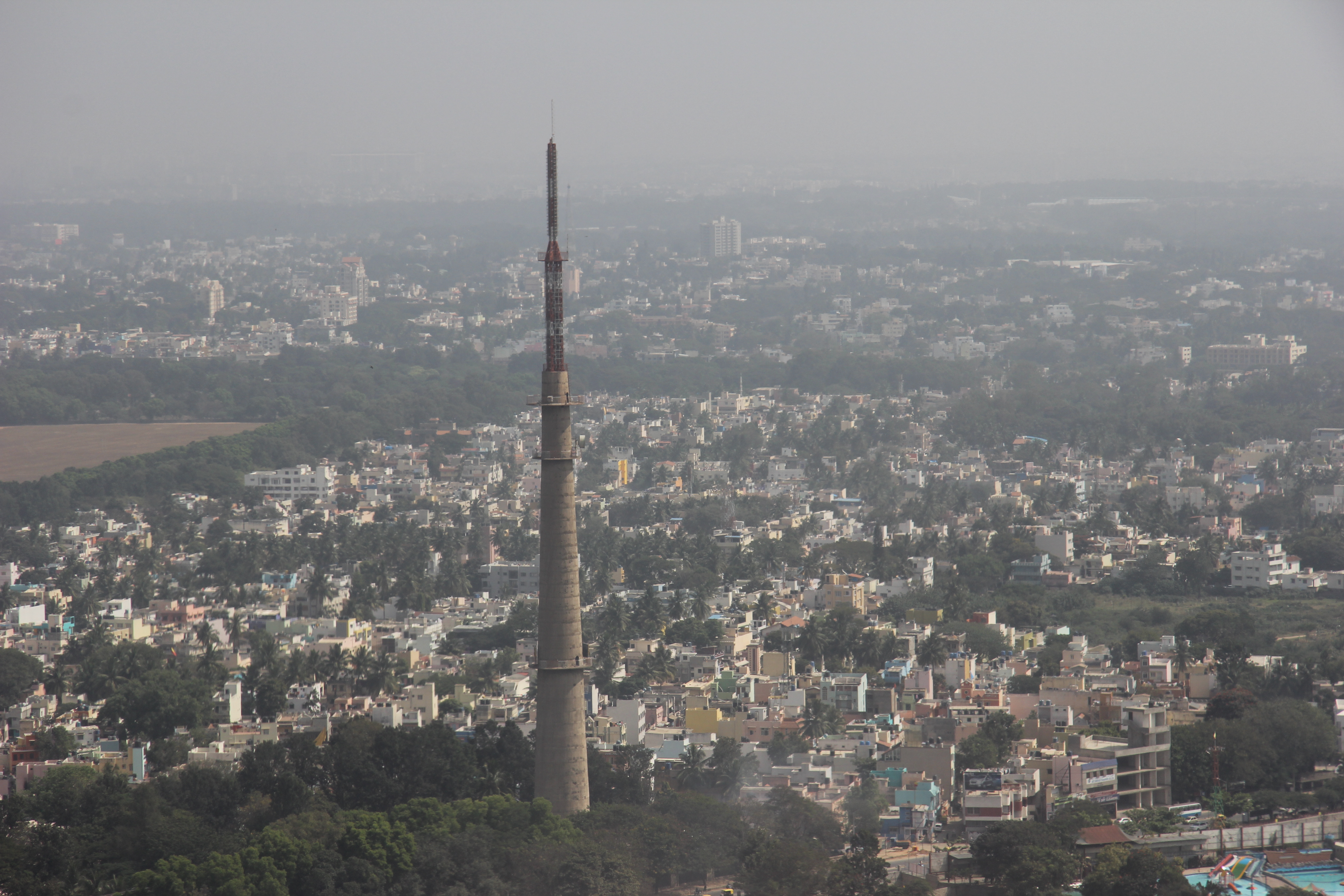
Bangalore
Bangalore - officially Bengaluru - is India's tech capital, a Karnataka city of 13 million that has transformed from colonial garden city to startup hub in one generation. Names recognized across global tech were born here. IT giants built sprawling campuses, and entrepreneurs launch ventures that compete on the world stage. This is what Indian development looks like when education meets opportunity. British colonizers once sought out its pleasant climate. A liberal culture fostered a thriving pub scene. Success brought gridlock that no road project has solved. Bangalore is India's future arriving faster than infrastructure can accommodate.
The Tech Industry
It started with Texas Instruments in 1985. When liberalization opened India to foreign investment, the floodgates swung wide. Software services giants like Infosys and Wipro grew into household names. Global tech firms established R&D centers. Startups multiplied in an ecosystem that feeds on its own momentum, and the industry now employs millions while shaping everything the city does.
Tech created modern Bangalore. Real estate prices climbed beyond the reach of many. Traffic became unsolvable. Talent from across India poured in, bringing a cosmopolitanism the city had never known. Why Bangalore matters today comes down to one word: tech. What the city was before matters less each year.
The Climate
Altitude made Bangalore desirable. At 900 meters above sea level, temperatures stay cooler than anywhere else in South India. British officers retired here, calling it the 'air-conditioned city.' Parks and lakes earned it the nickname 'garden city,' and climate was Bangalore's original asset long before anyone imagined a software campus.
Relief from the searing heat of plains cities still draws people. But the garden city has largely vanished under development. Colonial-era lakes have become sewers. Remaining parks survive as islands in a concrete sea. The pleasant weather persists, yet the gardens that inspired the famous nickname do not.
The Cosmopolitanism
Engineers arrive from across India, drawn by jobs their home states cannot offer. Bangalore has become the country's most cosmopolitan city. Kannada is the official language, but Hindi, Tamil, and Telugu are equally present on the streets, creating a linguistic diversity that mirrors the tech workforce itself.
This mixing produces Bangalore's distinctive culture. Microbreweries flourish under liberal policies. Restaurants serve every regional cuisine imaginable, and English functions as the common tongue. Yet cosmopolitanism brings controversy too. Kannada speakers feel marginalized in their own state capital, and language politics simmer beneath the surface.
The Traffic
Even by Indian standards, Bangalore's traffic is legendary. Gridlock begins before dawn and does not relent past midnight. Commutes devour hours that could go to family, sleep, or anything else. Roads were never built for the volume of vehicles now filling them, and a growing metro system cannot yet cover the city's enormous sprawl. For most residents, traffic defines daily life.
How did it get this bad? Jobs drew people. People brought cars. Cars filled roads faster than new lanes could be added. Where workers choose to live, when businesses open and close, how drivers feel behind the wheel - traffic dictates all of it. This is the cost of success.
The Culture
Karnataka tradition and immigrant innovation collide in Bangalore's cultural scene. Classical music endures alongside rock bands playing packed pubs. Theater thrives in multiple languages. A young, educated population drawn from everywhere in India has built a scene that Mumbai and Delhi now recognize as genuine competition.
Culture is what elevates Bangalore beyond a collection of tech offices. Nightlife flourishes under permissive policies. Wealth fuels a growing arts scene. Young professionals seek out a lifestyle they cannot find in more conservative cities. People come for the jobs, but they stay for what Bangalore lets them become.
From the Air
Bangalore (12.97N, 77.59E) sits on the Deccan Plateau at 900m elevation in southern India. Kempegowda International Airport (VOBL/BLR) lies 40km north of the city center, with two parallel runways: 09L/27R and 09R/27L, both 4,000m long. From the air, the city sprawls across the plateau, and tech parks stand out in the outer ring. Lakes dot the urban landscape, though many show visible degradation. The climate is tropical savanna modified by altitude - pleasant year-round, with temperatures rarely exceeding 35C. Monsoon rains arrive from June through September. In every direction, the Deccan Plateau stretches to the horizon.