Bar U Ranch
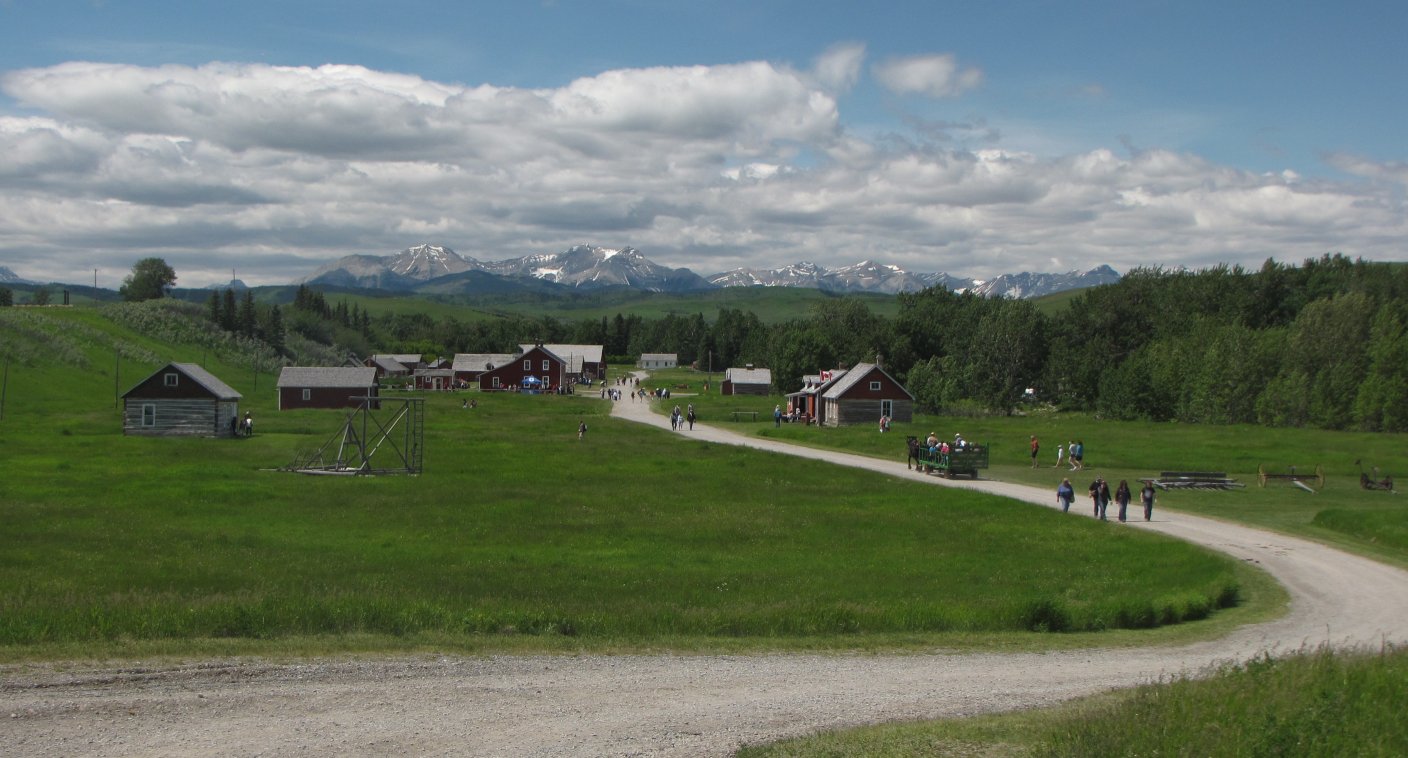
Bar U Ranch was the biggest, the most famous, and the most important ranch in Canadian history. Founded in 1882 in the foothills of the Alberta Rockies, the Bar U grew to encompass 160,000 acres and 30,000 cattle under the legendary George Lane. The ranch supplied beef to the Canadian Pacific Railway, the North-West Mounted Police, and the armies of two world wars. Its brand - a simple 'U' with a bar beneath - became synonymous with Alberta ranching. Cowboys from the Bar U competed in the Calgary Stampede's first events. The ranch pioneered Percheron horse breeding in Canada. When George Lane died in 1925, his estate was valued at $25 million. The Bar U survived depression, war, and changing agriculture. Today it's a National Historic Site, preserving the buildings, landscape, and heritage of the Canadian ranching frontier.
The Founding
The North-West Cattle Company established the Bar U in 1882, part of a wave of ranching that followed the disappearance of the buffalo and the arrival of the Canadian Pacific Railway. The Alberta foothills offered vast grasslands, mild winters (by Canadian standards) thanks to chinook winds, and access to eastern markets. Large British and Canadian investors established ranches modeled on the American cattle kingdom. The Bar U, named for its brand, became one of the biggest. American cowboys brought Texas cattle-handling methods north. The Blackfoot, who had hunted buffalo on these prairies for millennia, watched their world disappear.
The Empire
George Lane arrived at the Bar U as a cowboy in 1884 and eventually became its owner. Under his management, the ranch expanded to 160,000 acres with 30,000 cattle and thousands of Percheron horses. Lane was a larger-than-life figure - a shrewd businessman, a master horseman, and one of the Big Four cattlemen who bankrolled the first Calgary Stampede in 1912. The Stampede's rodeo events drew heavily on working ranch skills that the Bar U had perfected. Lane's Percherons won championships across North America. The ranch became a showcase for what Canadian ranching could achieve.
The Legacy
Lane died in 1925, and the ranch passed through various owners. It supplied beef to Allied armies in both world wars. The Depression forced consolidation; changing markets favored smaller operations. But the Bar U survived, shrinking but maintaining operations through the 20th century. In 1991, Parks Canada acquired the ranch's core buildings and 148 acres, establishing the Bar U Ranch National Historic Site. The remaining working ranch continues nearby. The historic site preserves one of the most complete ranch headquarters complexes in Canada, interpreting a way of life that shaped Alberta's identity.
The Culture
Canadian ranching culture developed its own character, distinct from the American West but sharing common roots. The Bar U brought together diverse traditions: American cowboy techniques, British investment and management styles, and adaptation to Canadian climate. Ranch hands came from everywhere - Indigenous peoples, Métis, Americans, Europeans. The cowboy culture that developed influenced Canadian identity, from the Calgary Stampede to the romanticized image of the mounted cowboy against the Rocky Mountain backdrop. The Bar U was where that culture reached its highest expression.
Visiting Bar U Ranch
Bar U Ranch National Historic Site is located in the Alberta foothills, about 100 km south of Calgary near Longview. The site preserves over 35 historic buildings, including the ranch house, bunkhouses, barns, and blacksmith shop. Costumed interpreters demonstrate ranching skills; draft horses and cattle are maintained. Special events include branding, cattle drives, and the Bar U Celebrates Rodeo Stock event. The landscape - rolling grasslands with the Rockies as backdrop - is as important as the buildings. The visitor center provides context on ranching history. Calgary International Airport (YYC) is the nearest major airport. The site operates May through September; allow at least half a day.
From the Air
Located at 50.35°N, 114.02°W in the foothills of the Rocky Mountains, southern Alberta, about 100 km south of Calgary. From altitude, the ranch appears as a collection of historic buildings along a creek, surrounded by rolling grasslands. The Canadian Rockies rise dramatically to the west. The foothills landscape - ideal ranching country - stretches in all directions. The Highwood River flows nearby. The contrast between the preserved historic core and the surrounding working agricultural land is visible from above.