Utqiagvik and the Whale Bone Arch
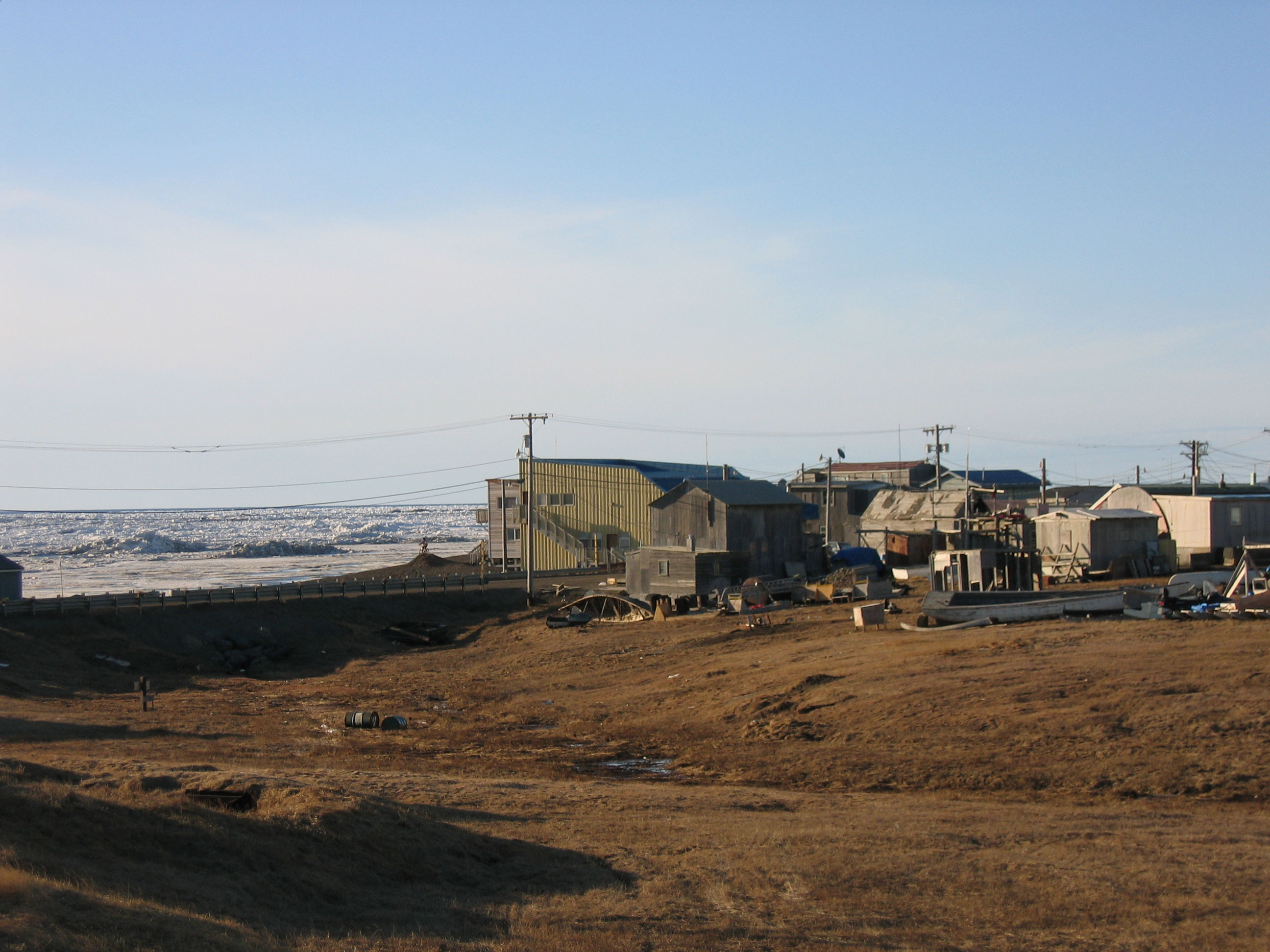
At the top of Alaska, where the road system ends and the Arctic Ocean begins, stands a town that has existed since before America was a concept. Utqiagvik - still often called by its colonial name, Barrow - is the northernmost community in the United States, 330 miles above the Arctic Circle, where winter darkness lasts sixty-seven days and summer brings sixty-seven days of continuous sun. The Inupiat people have hunted whales from these shores for over 1,500 years. Their relationship with the bowhead whale - hunted each spring as ice breaks up - defines everything about this place. Whale bone arches made from jaw bones frame views of the ocean. Skulls line the beach. This is a town that counts time in whales, wealth in blubber, and survival in traditions that predate written history.
The Hunt
Every spring, as sea ice breaks up, Inupiat whaling crews take to traditional umiaq (skin boats) to hunt bowhead whales. This is not commercial whaling - it's subsistence hunting protected by international treaty, a continuation of practices that sustained Arctic peoples for millennia. A successful hunt provides thousands of pounds of muktuk (whale skin and blubber), meat that feeds extended families through the year. The hunt is dangerous: ice shifts, boats capsize, crews die. Success brings not just food but status - successful whaling captains are community leaders. The meat is shared; no one is turned away. The whale gives its life; the community honors that gift.
The Bones
Walk the beach at Utqiagvik and you walk past centuries of hunting. Whale bones litter the shore - ribs, vertebrae, and the massive curved jaw bones that form the famous whale bone arches. These arches frame photographs of the Arctic Ocean, the ice edge, the endless tundra. They're not memorials in the Western sense; they're practical - bones left where whales were butchered, gradually becoming landmarks. The oldest bones have been here for generations; new bones are added each spring. The landscape is marked by whale remains the way other landscapes are marked by trees or buildings. The bones say: people have been eating here for a very long time.
The Darkness
On November 18, the sun sets in Utqiagvik and doesn't rise again until January 23. For sixty-seven days, the town exists in polar night - not total darkness (twilight still brightens midday hours in December) but a world without direct sunlight. Then, in summer, the reverse: the sun rises in May and doesn't set until August. This light cycle shapes everything: hunting seasons, sleep patterns, mental health, the very definition of a day. Visitors come specifically to experience the extremes - the midnight sun of June, the polar night of December. Living here requires adapting to rhythms that seem impossible but have supported human life for over a thousand years.
The Town
Utqiagvik is isolated in ways that most Americans can't imagine. No roads connect it to anywhere; everything arrives by air or by barge during the brief ice-free summer. The population is around 4,500, predominantly Inupiat. The town has a hospital, schools, churches, and the infrastructure of any small American community - but also traditions that predate any American institution. Whaling captains hold authority alongside elected officials. The Inupiat Heritage Center preserves and presents a culture that has survived contact, colonization, climate change, and the arrival of everything from missionaries to oil companies. Climate change threatens now - warming seas, changing ice, disrupted migration patterns. The whale bone arches frame a future as uncertain as it is ancient.
Visiting Utqiagvik
Utqiagvik is accessible only by air - Alaska Airlines flies daily from Anchorage and Fairbanks. There are no roads; you cannot drive here. Accommodations are limited and expensive; book well in advance. The Inupiat Heritage Center provides context for traditional culture; the whale bone arch is on the beach near Point Barrow. The town is cold year-round - summer highs rarely exceed 50°F - but polar night (November-January) and midnight sun (May-August) draw visitors seeking extremes. Respect local customs: whaling season is sacred, and not all cultural practices are tourist attractions. This is someone's home, someone's ancestral land, a living culture at the top of the world.
From the Air
Located at 71.29°N, 156.79°W at the northernmost point of Alaska and the United States. From altitude, Utqiagvik appears as a small town on the Arctic coastal plain where the land ends at the Arctic Ocean. Point Barrow, the actual northernmost point, extends north of town. Sea ice dominates the ocean view for much of the year - white extending to the horizon. The coastal plain stretches south, flat and treeless, dotted with countless lakes. No roads are visible extending from town because none exist. The Chukchi Sea lies to the west; the Beaufort Sea to the east. This is the end of America, the beginning of the Arctic, and a place where whale bones mark fifteen centuries of continuous human habitation.