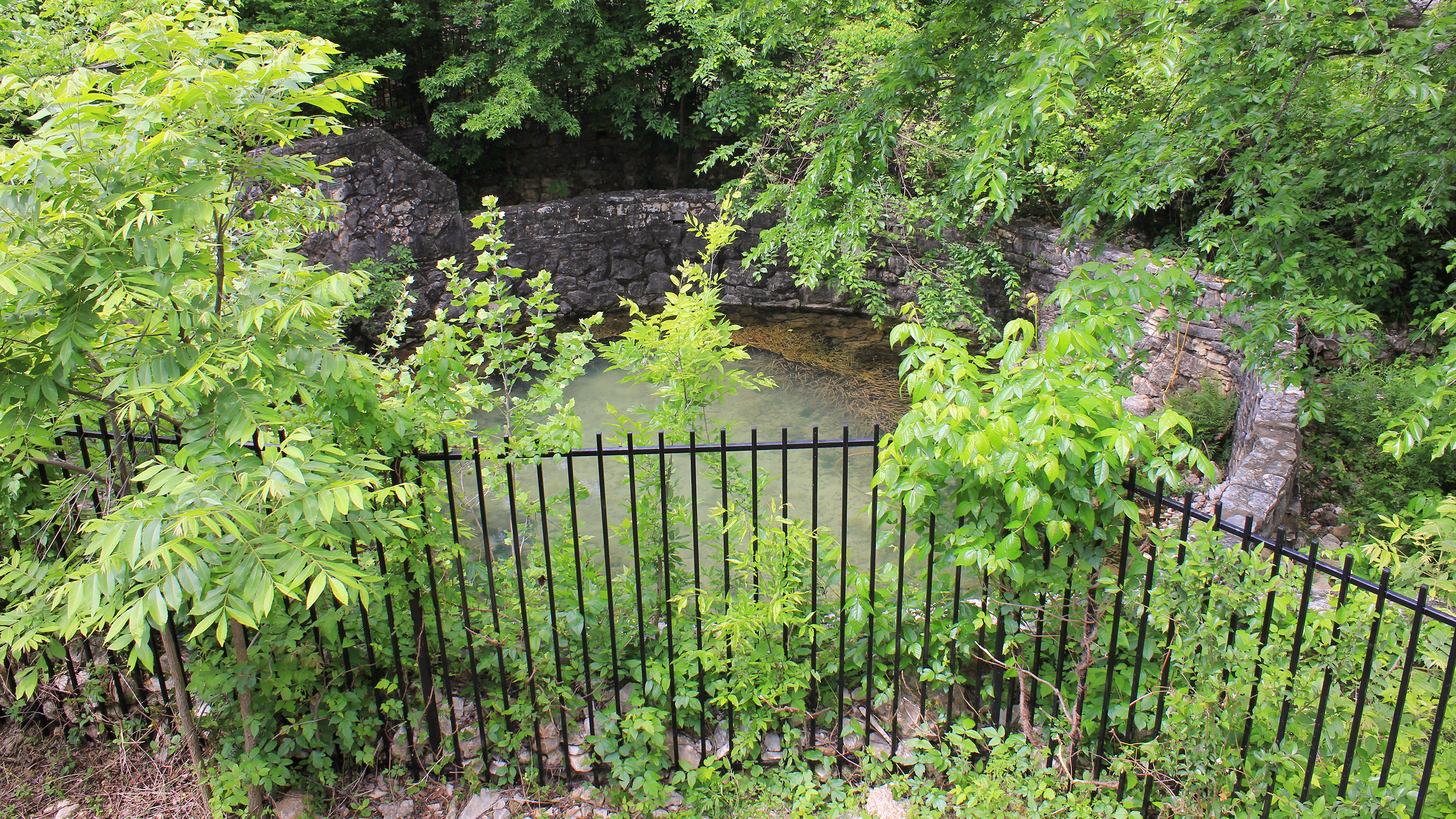
Barton Springs
Barton Springs is Austin. This may sound like tourist-board hyperbole, but generations of Austinites have defined their city by this natural swimming pool in Zilker Park - a 1,000-foot limestone-bottomed spring that maintains 68-70°F year-round, flowing at 27 million gallons per day from the Edwards Aquifer. Native Americans used it for thousands of years. Spanish missionaries documented it in 1730. Developers dammed it in 1929, creating the current pool. Environmentalists have fought to protect it since the 1990s. The Barton Springs salamander, found nowhere else on Earth, was listed as endangered in 1997, limiting development over the aquifer's recharge zone. Barton Springs is where Austinites swim, picnic, discuss politics, and resist the forces turning their weird little city into another sprawling Sunbelt metropolis. It's a spring, a pool, a park, and an ideology.
The Springs
Barton Springs emerges from limestone along Barton Creek, fed by the Edwards Aquifer - the same vast underground reservoir that supplies San Antonio's drinking water. The main spring discharge creates the swimming pool, but additional springs feed the creek upstream and down. The water is remarkably consistent: 68-70°F in every season, crystal clear, and cold enough to shock swimmers in summer, warm enough to draw them in winter. The limestone pool bottom is slippery with algae, part of the ecosystem that supports the springs' unique life. The aquifer recharges from rainfall over a 264-square-mile zone; development on that land threatens water quality.
The History
Indigenous peoples used Barton Springs for perhaps 10,000 years. Spanish missionaries noted the springs in 1730. William Barton, for whom the creek and springs are named, settled here in the 1830s. The springs became a gathering place, then a resort, then a municipal pool when Austin dammed them in 1929. The dam created the current 3-acre pool. For decades, it was Austin's premier swimming destination - a spring-fed alternative to the muddy Colorado River. As Austin grew, the springs became a symbol of what the city was and what it might lose.
The Salamander
The Barton Springs salamander (Eurycea sosorum) exists nowhere on Earth except in the springs and a few nearby outflows. When biologists discovered its limited range, they petitioned for endangered species listing, which would restrict development on the aquifer's recharge zone. The fight was brutal. Developers, property rights advocates, and some politicians opposed listing; environmentalists and 'Save Barton Springs' activists supported it. The salamander was listed as endangered in 1997. Development didn't stop, but it slowed and became more regulated. The salamander - two inches long, eyeless, pale pink - became a symbol of Austin's environmental politics.
The Culture
Barton Springs is more than a swimming pool; it's a civic institution. Austinites swim here in January (shocking visitors with their cold tolerance). They discuss city council elections on the hillside. They measure Austin's changes by how the springs feel. When the springs occasionally close for high bacteria counts or floods, the city feels diminished. Keep Austin Weird, the city's unofficial motto, is partly about keeping Barton Springs swimmable. The pool represents an Austin that existed before tech booms and sprawl - a smaller, stranger city centered on natural springs rather than corporate campuses.
Visiting Barton Springs
Barton Springs Pool is located in Zilker Park, just south of downtown Austin. The pool is open year-round; hours vary seasonally, and it closes for cleaning on Thursdays. Admission is charged ($5-9 for adults). The pool is 1,000 feet long and up to 18 feet deep; the bottom is natural limestone, not concrete. Water temperature is 68-70°F regardless of air temperature - refreshing in summer, tolerable in winter. The surrounding hillside offers picnic space. Zilker Park has hiking trails, botanical gardens, and paddleboarding on Lady Bird Lake. Austin-Bergstrom International Airport (AUS) is 15 minutes away. The pool is most crowded on summer weekends; early morning or evening swims are more peaceful.
From the Air
Located at 30.26°N, 97.77°W in Zilker Park, Austin, Texas. From altitude, the spring pool is visible as a distinctive blue rectangle in the green parkland along Barton Creek. Lady Bird Lake (the dammed Colorado River) is visible to the north. Downtown Austin's skyline rises beyond the lake. The springs' recharge zone extends southwest across the Hill Country. Austin's explosive growth is evident in the development pressing against the parkland.