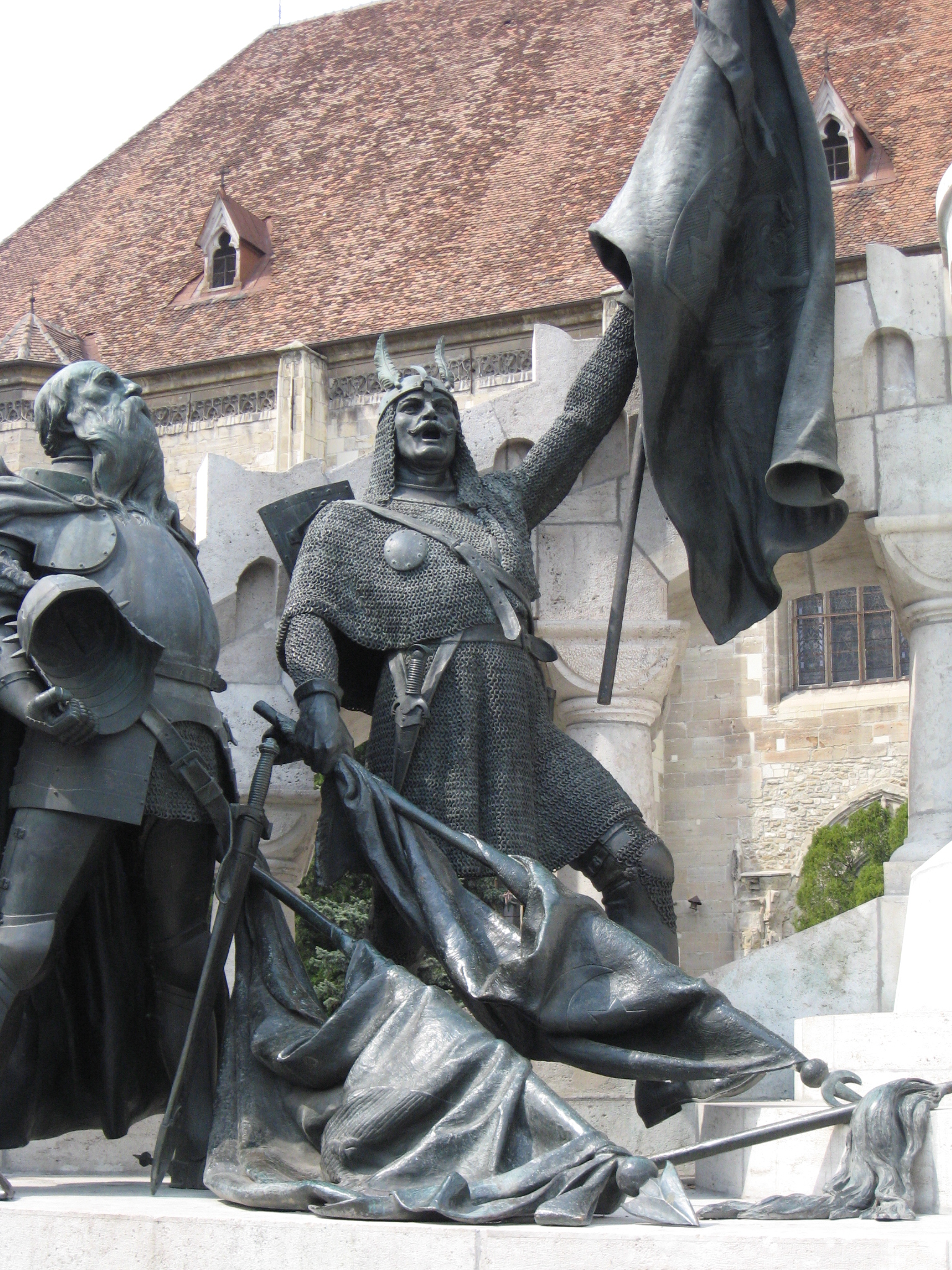
Battle of Breadfield
The Ottoman raiders had made a strategic mistake, and the Hungarian commanders knew it. By October 13, 1479, the Akinci light cavalry and Rumelian Sipahis who had poured into Transylvania four days earlier were laden with plunder and captives -- Hungarians, Vlachs, and Saxons seized from villages and market towns along their path. They had collected too much loot to move fast. On the Breadfield, a plain near the Saxon village of Alkenyér beside the Mures River, Voivode Stephen Báthory and General Pál Kinizsi attacked. What followed was the most devastating battle Transylvania had seen in the centuries of Ottoman-Hungarian conflict, and it ended with the raiders broken.
Patience as Weapon
The Ottoman campaign was not a full invasion but an enormous raid -- the largest Transylvania had faced in a century of Turkish conflict. After the Ottoman-Venetian War ended in 1479, a major Ottoman force assembled at Smederevo in Serbia under Ali Koca Bey. The army consisted primarily of Akincis, Rumelian Sipahis, and Azaps, with some Janissaries and possibly cannon. Basarab cel Tanar, a Wallachian prince competing for the throne, pushed Koca Bey into the expedition and contributed 1,000 to 2,000 infantry of his own. On October 9, the Ottomans entered Transylvania near Calnic and began raiding. Báthory did not rush to intercept. He waited, letting the Turks exhaust themselves marching and pillaging, growing heavier with loot and prisoners while his own forces made careful preparations. The patience of a disciplined commander against the greed of raiders -- it was a calculated gamble, and it paid off.
Three Columns Against Three
Both armies deployed in three columns on the Breadfield. Kinizsi commanded the Hungarian right flank. The Serbian light cavalry under Vuk Grgurević and Demetrius Jaksić held the left. Báthory and his Saxon forces anchored the center. Across the field, Koca Bey took the Ottoman left, Isa Bey the center, and Malkoch Oglu the right. Estimates of Ottoman strength vary wildly -- from 6,000 to the 100,000 claimed by the Polish chronicler Jan Dlugosz -- but Matthias Corvinus himself placed the number at 43,000 to 45,000 Ottoman and Wallachian soldiers combined. The Christian forces numbered approximately 12,000 to 15,000: Hungarians, Szeklers, Serbs, Transylvanian Saxons, and Vlach volunteers under Basarab Laiota cel Batran, the rival Wallachian claimant whose personal feud with the younger Basarab had brought him to the opposite side of the battlefield.
The Hero of Herculean Strength
The battle began in the afternoon, and it went badly at first. Báthory fell from his horse and nearly fell into Ottoman hands before a nobleman named Antal Nagy pulled the voivode to safety. The Ottomans pressed their advantage in the opening clash. Then Kinizsi charged. Leading the Hungarian heavy cavalry alongside 900 Serbs under Jaksić and, as contemporary sources noted, "numerous courtiers of the king," he struck Ali Bey's flank with enough force to shatter it. Ali Bey retreated. Kinizsi wheeled laterally into the Turkish center and broke that too. Isa Bey withdrew. The remaining Ottoman soldiers fled into the mountains, where local villagers hunted them down. Pál Kinizsi -- described in Hungarian legend as a man of Herculean strength, a general in the service of Matthias Corvinus' elite Black Army -- became the battle's undisputed hero.
The Silence That Followed
The cost was terrible on both sides. Several thousand Ottoman soldiers died, including commanders Malkocoglu and Isa Bey, two additional beys, and roughly a thousand Wallachian allies. The Hungarians lost approximately 3,000 men. Captives taken during the raid were liberated, their ransoms immense. The following year, Kinizsi raided Serbia and defeated Ali Koca Bey again. But the true significance of Breadfield was psychological. The Ottomans had sent the largest raiding expedition in a century of Transylvanian conflict and lost it catastrophically. For years afterward, the Turks did not attack southern Hungary or Transylvania. The Breadfield -- Kenyérmezö in Hungarian -- fell quiet. Today the plain beside the Mures River looks like any stretch of Transylvanian farmland, indistinguishable from the fields around it. Only the name remembers what happened here in the autumn of 1479.
From the Air
Located at 45.94N, 23.34E on the Breadfield plain near the village of Sibot (historic Alkenyér) beside the Mures River in Transylvania, Romania. The battlefield is flat agricultural land in the Mures Valley -- no monuments or structures mark the site from the air. The Mures River runs through the area and serves as a navigation reference. The Orastie Mountains rise to the south. Nearest significant airport is Sibiu International (LRSB), approximately 60 km east. Deva and its hilltop fortress are visible about 10 km to the west.