Battle of El Mazucu
"The red flag waved on the highest peak." For sixteen days in September 1937, fewer than 5,000 Republican soldiers held a mountain pass in eastern Asturias against 33,000 Nationalist troops, the guns of the cruiser Almirante Cervera, and the bombers of the German Condor Legion. The Battle of El Mazucu was almost certainly the first time carpet bombing was used against a military target. It was also a story of terrain, tenacity, and a defense so stubborn that it earned the name la defensa imposible -- the impossible defense.
The Key to Asturias
By September 1937, the Spanish Civil War's northern front was collapsing. Bilbao had fallen. Santander had surrendered. Republican Asturias stood isolated, cut off from friendly territory by hundreds of kilometers of Nationalist-held Spain. General Fidel Davila, commanding the Nationalist forces, attacked from the south and east, expecting demoralized defenders to crumble. The first Republican line along the Deva River broke quickly, and the town of Llanes fell on September 5. But the routes west into Asturias funneled through narrow valleys commanded by the limestone walls of the Sierra de Cuera to the north and the Deva Gorge to the south. Clearing these mountains meant taking the pass of El Mazucu, barely five kilometers from the sea.
Fog, Fire, and Carbide Drums
The assault began on September 6 with the Navarrese I Brigade, and it failed. So did the next attempt, and the next. The Condor Legion was called in, carpet-bombing the Republican positions with explosive and incendiary bombs -- a tactic never before used against a military formation. Dense fog rolled in on September 8, turning the battle into hand-to-hand fighting on slopes so steep that mules could not climb them. Supplies and ammunition went up on the backs of soldiers. On the heights, Republican defenders improvised: they rolled carbide drums packed with explosives down the mountainside into Nationalist positions. When hot food finally reached the Republican front lines on September 10, it was the first warm meal the defenders had eaten since the battle began.
The Moon-Like Mountain
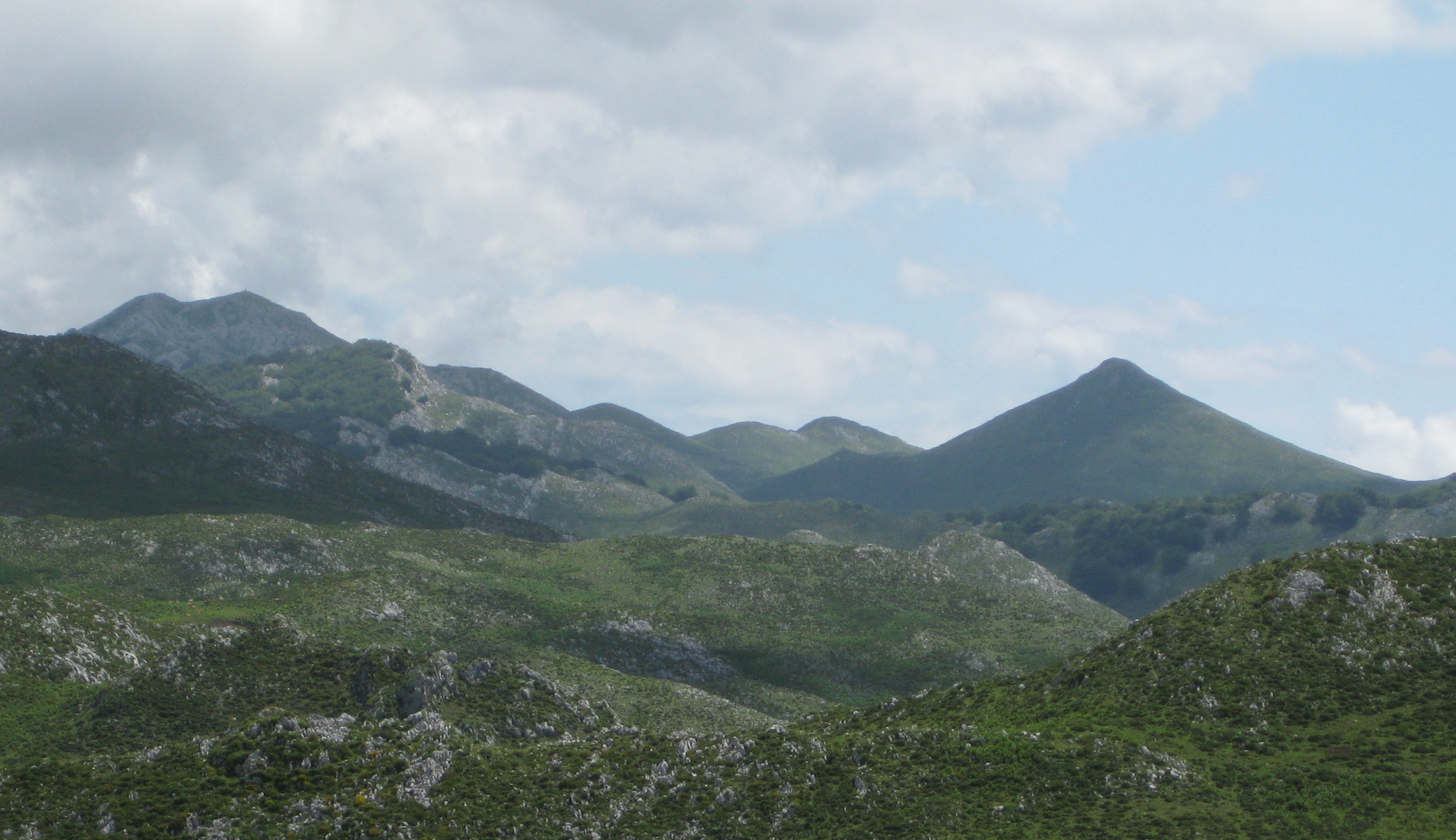
Unable to advance through the valleys, the Nationalists had no choice but to climb. Pico Turbina, at 1,315 meters, rises at gradients of 40 degrees over terrain that one account described as almost lunar -- bare karst with no paths, not even goat tracks. Sixteen battalions were brought up to reduce the three summits of Penas Blancas, the last Republican salient. Rain turned to snow on the heights. When the weather briefly cleared on September 18, waves of Junkers bombers and Fiat fighters strafed the defenders, followed each time by infantry assaults. Each time, machine guns and hand grenades drove the attackers back. The pattern repeated for four days. On September 22, the Penas Blancas were finally overrun.
A Costly Delay
The defenders had hoped to hold until winter, when snow would make further Nationalist advances impossible. They nearly succeeded. The sixteen-day defense cost the Nationalists dearly in time and casualties, and it allowed Republican forces further west a breathing space to regroup. But it was not enough. The Nationalists on the eastern front linked up with forces advancing from Leon at Infiesto and closed in on Gijon, the last Republican stronghold in northern Spain, which fell on October 21. The soldiers who fought at El Mazucu -- on both sides -- paid a price measured in lives, and the Condor Legion took away lessons in aerial bombardment that it would apply two years later across the battlefields of World War II.
From the Air
Located at 43.38°N, 4.85°W in the Sierra de Cuera of eastern Asturias, Spain. The pass of El Mazucu sits approximately 5 km from the Cantabrian Sea coast. Pico Turbina reaches 1,315 m (4,314 ft). Terrain is extremely rugged limestone karst. Nearest airport: Asturias (LEAS), approximately 100 km to the west. The coastal town of Llanes is visible to the northeast. Expect mountain turbulence and variable weather conditions.