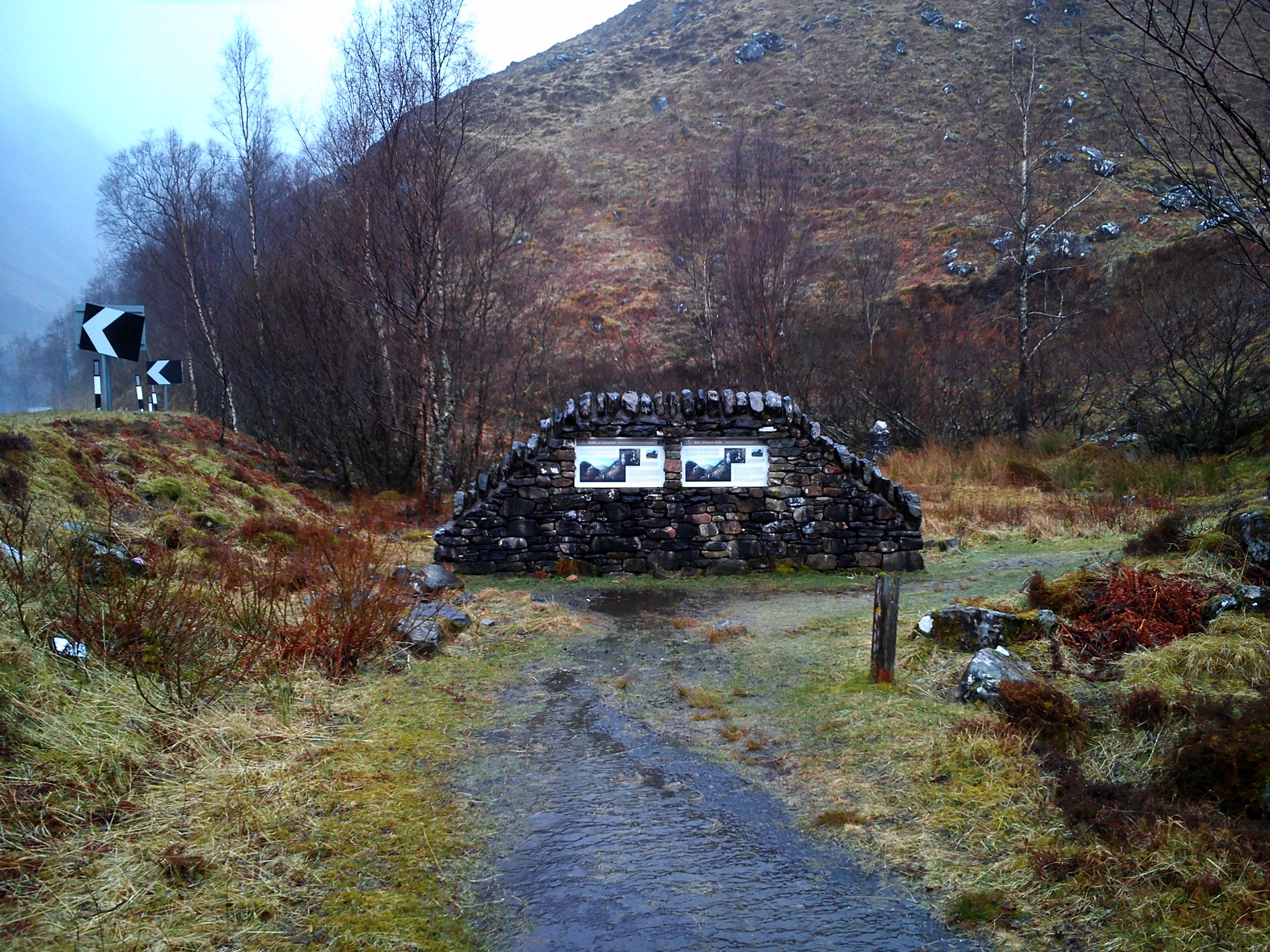
Battle of Glen Shiel
One of the peaks above Glen Shiel carries an unusual name: Sgurr nan Spainteach, the Peak of the Spaniards. It commemorates not a tourist visit but a military disaster. On 10 June 1719, three hundred Spanish soldiers found themselves dug into the slopes of this remote Highland valley, fighting alongside a thousand Jacobite clansmen against a government army that had no intention of losing. By nightfall the rising was over, the Spanish were surrendering, and the Jacobite cause had suffered another defeat in a glen so narrow that retreat was nearly impossible.
A Mediterranean Gambit in the Mist
The 1719 rising was not born in Scotland but in Madrid. Cardinal Giulio Alberoni, chief minister to Philip V of Spain, conceived a two-pronged invasion of Britain as part of the War of the Quadruple Alliance. The main fleet of twenty-seven warships and five thousand troops would land in southwest England, while a smaller diversionary force would sail to Scotland and rally the Highland clans. The main fleet never arrived -- storms scattered it off Cape Finisterre. But the diversionary force, consisting of two frigates carrying three hundred Spanish marines under the Marquis of Tullibardine and the Earl Marischal, reached the west coast of Scotland in April 1719. They occupied Eilean Donan Castle, distributed weapons to local clans, and waited for reinforcements that would never come.
The Narrows of Glen Shiel
By June, the Jacobite force had gathered roughly a thousand Highlanders from clans including the MacGregors, Mackenzies, and Camerons. Their position in Glen Shiel was strong on paper -- steep slopes on both sides of the River Shiel, with the Spanish marines holding the high ground. But Major-General Joseph Wightman, marching from Inverness with around a thousand government troops, brought something the Jacobites lacked: mortars. Wightman arrived on the afternoon of 10 June and immediately began shelling the Spanish positions. His infantry advanced up the slopes in four detachments, pushing the Jacobites uphill and outflanking them systematically. The fighting lasted roughly three hours. Rob Roy MacGregor, the famous outlaw, commanded a detachment of MacGregors on the Jacobite left and was wounded in the battle. Lord George Murray, who would later lead the Jacobite army at Culloden, also fought and was wounded here twenty-six years before that final reckoning.
Surrender on the Mountainside
As darkness fell, the Highlanders melted into the mountains -- an option available to men who knew every corrie and deer path. The Spanish had no such advantage. Cut off in a foreign country, unable to speak the language, and with no line of retreat, the three hundred marines surrendered the following day. They were marched to Inverness and eventually repatriated to Spain. Their brief presence in the Highlands left little behind except the name on the map. The Jacobite leaders -- Tullibardine, the Earl Marischal, and the Earl of Seaforth among them -- scattered into exile. Seaforth's Mackenzie lands were forfeited to the crown, and it would be another quarter century before the next, and last, serious Jacobite rising in 1745.
The Glen Remembers
Glen Shiel today is a place of extraordinary emptiness. The A87 road follows the River Shiel through the narrows where Wightman's troops advanced, and the mountains rise steeply on both sides just as they did in 1719. The battlefield has been designated as one of the Historic Scotland inventory of battlefields, preserving its essential character. What makes Glen Shiel unusual among Highland battlefields is its international dimension. This was not merely a clan skirmish or a rising of disaffected Highlanders -- it was a battle in a European war, with Spanish regular soldiers fighting on Scottish soil, financed by the Spanish treasury and directed from Madrid. The peak that bears their name stands at over 990 metres, looking down on the glen where three hundred men from the Mediterranean found themselves outnumbered, outgunned, and a very long way from home.
From the Air
The Battle of Glen Shiel took place at 57.17°N, 5.32°W in a narrow valley along the River Shiel. The glen runs east-west with peaks rising steeply on both sides, including Sgurr nan Spainteach (Peak of the Spaniards) on the southern slopes. The A87 road follows the valley floor. Nearest airport: Broadford (Isle of Skye) approximately 20 nm to the west. Inverness (EGPE) lies approximately 45 nm to the east.