Battle of Honey Springs
When the rain started falling on July 17, 1863, it did more than soak the rolling Oklahoma prairie. It ruined the cheap Mexican gunpowder that Confederate troops depended on, turning their muskets into useless clubs. That downpour at Elk Creek, near present-day Checotah, decided the largest Civil War battle ever fought in Indian Territory -- a battle remarkable not only for its outcome but for who fought it. On both sides of the line, white soldiers were the minority. Cherokee, Creek, Choctaw, Chickasaw, and Seminole warriors stood alongside African American troops in a fight that defied the simple black-and-white narrative of the war.
A Territory Torn Apart
When the Civil War erupted, the United States abandoned the Five Civilized Tribes in Indian Territory. The Confederacy moved quickly to fill the vacuum, offering protection, economic resources, and sovereignty in exchange for alliance. General Douglas H. Cooper raised Native troops and drove out pro-Union Creek forces after the Battle of Chustenahlah. But by 1863, Confederate fortunes had reversed. Major General James G. Blunt launched a Union campaign from Kansas, pushing south and convincing many Cherokee to switch sides. Union Colonel William A. Phillips reoccupied Fort Gibson in April, threatening the Confederate hold on the region. The stage was set for a decisive confrontation at Cooper's supply depot on the banks of Elk Creek.
Wet Powder and Cold Steel
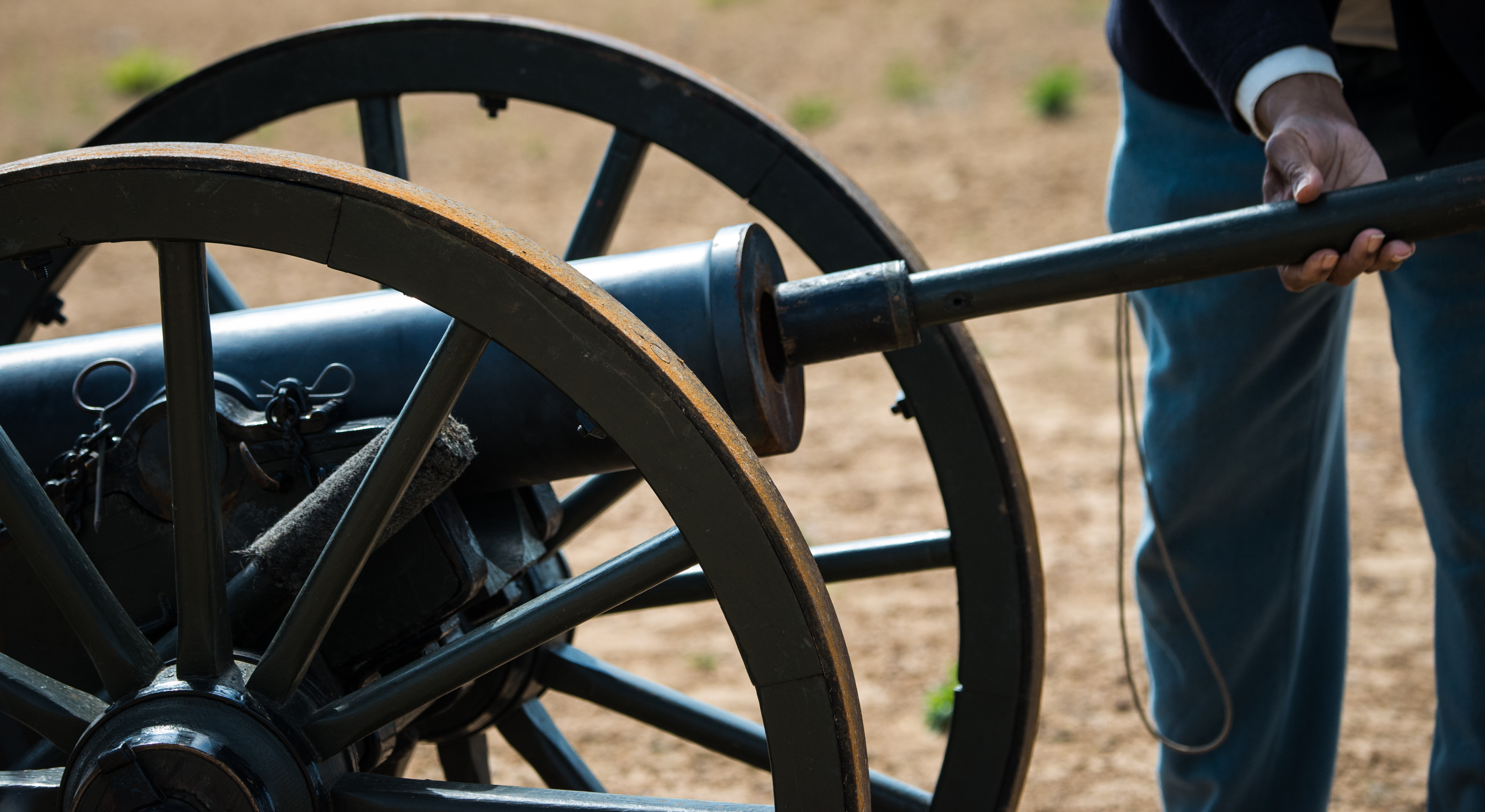
The Union force that marched south from Fort Gibson carried Springfield rifles, ten 12-pounder Napoleon howitzers, and plenty of ammunition. The Confederates waiting at Honey Springs had obsolete smoothbore muskets and flintlock shotguns loaded with powder purchased from Mexico -- powder notorious for failing in damp conditions. When the 2nd Indian Home Guards accidentally wandered into no man's land, the Confederates mistook the Union withdrawal order for a retreat and charged headlong into the established defensive line of the 1st Kansas Colored Volunteer Infantry. The Black soldiers held firm and repulsed the assault. Union forces seized the Honey Springs depot, burning whatever supplies they could not carry. General Blunt reported Union casualties of 17 dead and 60 wounded. Confederate losses were disputed, but the damage was done.
The Aftermath on the Prairie
After the battle, the exhausted Confederates withdrew, leaving their dead on the field. General Blunt, suffering from a high fever brought on by encephalitis, ordered his troops to camp overnight at the battlefield to treat the wounded and bury the dead of both sides. Confederate General Cooper later wrote a letter thanking Blunt for this act of decency. Union dead were eventually exhumed and reburied at Fort Gibson National Cemetery. The Confederates abandoned Fort Smith the following August, and despite the efforts of the legendary Cherokee leader Stand Watie, Confederate forces in the territory never again engaged the Union in an open pitched battle. The loss of the Honey Springs supply depot proved catastrophic -- already fighting on a shoestring budget with inferior equipment, Confederate troops increasingly relied on captured Union material to continue the war.
Hallowed Ground Preserved
The battlefield, straddling Muskogee and McIntosh Counties northeast of Checotah, sat quietly for over a century before gaining recognition. In 2013, the National Park Service designated it a National Historic Landmark. The American Battlefield Trust and its partners have since acquired and preserved significant acreage of the original battleground. A visitor center now stands where a small trailer once served as the only marker of one of the Civil War's most unusual engagements -- a place where the question of who fought for freedom, and who decided America's future, was far more complex than any textbook suggests.
From the Air
Located at 35.556N, 95.470W, northeast of Checotah, Oklahoma and south of Muskogee. The battlefield lies in flat to gently rolling prairie along Elk Creek. Nearest airport is Muskogee-Davis Regional Airport (KMKO). Best viewed at 2,000-3,000 ft AGL in clear conditions. The Grand River and its tributaries provide useful navigation landmarks.