Battle of Kabamba
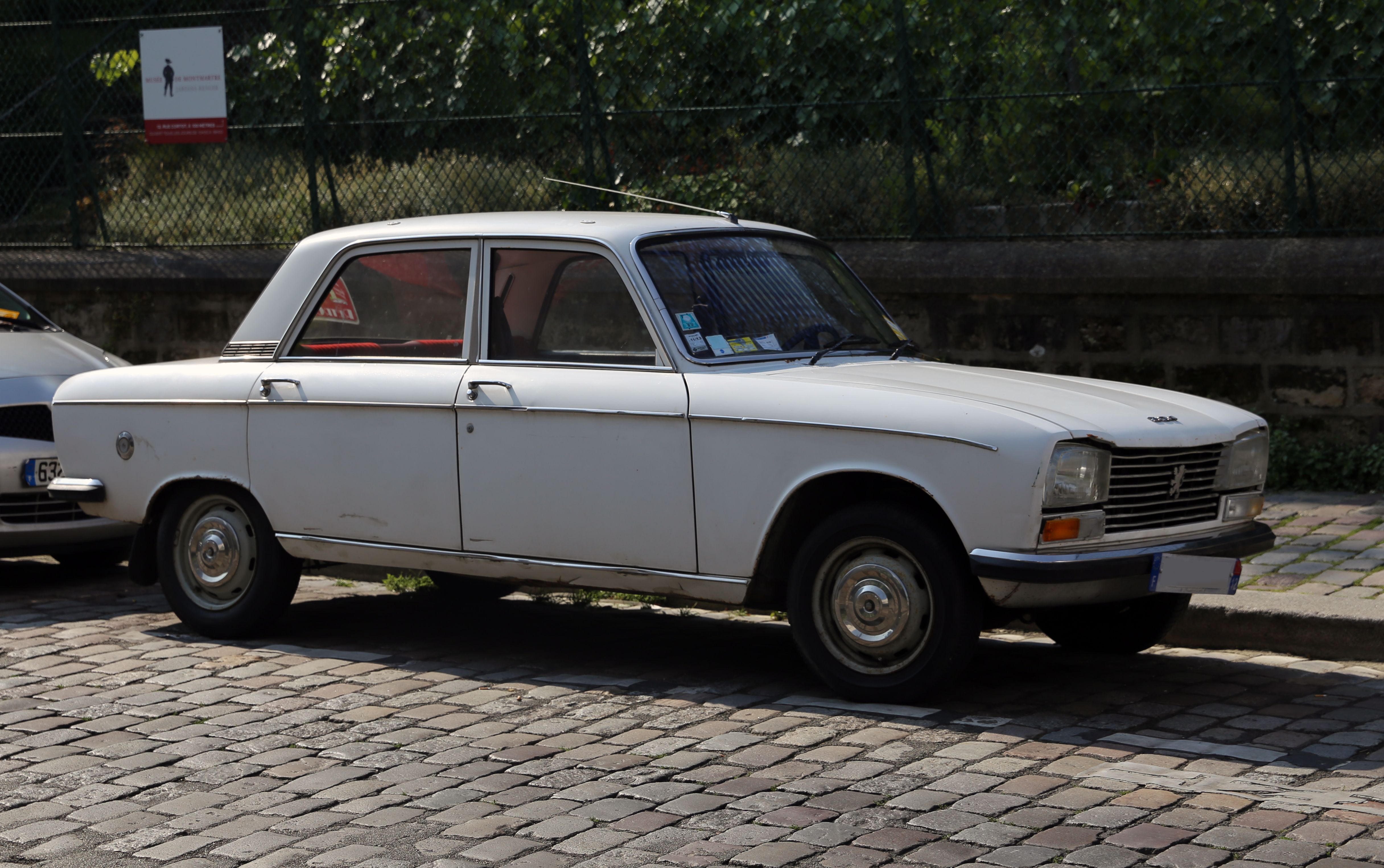
Nathan Ruyondo lent his Peugeot 304 to a friend who said he needed it for a wedding. He never saw the car again. The friend was Yoweri Museveni, and the wedding was a raid on a military barracks that would ignite a five-year civil war and reshape the political future of two African nations. On the evening of 5 February 1981, Museveni and a handful of fighters from the Popular Resistance Army left Kampala in two vehicles, carrying 27 guns between them. Their target was the armory at Kabamba Military Barracks. Nothing about the operation went according to plan.
The Flat Tire That Changed Everything
The plan called for two groups to converge on Kabamba. The main strike force, led by Lieutenant Elly Tumwine, drove ahead in a lorry. Museveni followed in a pickup truck with two companions. At Katigondo, the pickup got a flat tire, and they had no spare. Museveni walked 19 kilometers through the night to Nyendo, where he convinced Ruyondo to lend him the Peugeot with the wedding story. He finally reached the rendezvous point -- an old wrecked armored personnel carrier near Makoole -- at 3:00 AM on 6 February, hours behind schedule. By then, the delay had already cascaded. A cooperating rebel group, the UNLF-AD under a fighter named Kafuniza, had been waiting at Rwemiyaga but gave up and withdrew, leaving the PRA's 34 to 41 fighters to carry out the attack alone.
An Hour at the Armory
The Kabamba barracks were defended by soldiers of the Tanzania People's Defence Force and the Uganda National Liberation Army. The PRA fighters, now operating without their expected reinforcements and without explosives to breach the armory doors, launched their assault anyway. The entire firefight lasted about an hour. The rebels could not break into the armory -- they had no explosives, no knives for close combat, and no training in hand-to-hand fighting. As Museveni's son Muhoozi Kainerugaba later analyzed, the lack of contingency planning was the operation's fundamental flaw. One PRA fighter was shot in the leg, the operation's sole casualty. The raiders withdrew without the weapons cache they had come to seize.
Two Presidents in the Bush
What the raid lacked in tactical success it carried in symbolic weight. Among the PRA fighters at Kabamba were two men who would become heads of state: Yoweri Museveni, who became President of Uganda in 1986 after the National Resistance Army overthrew the military government, and Paul Kagame, who became President of Rwanda in 2000. Fred Rwigyema, who would later lead the Rwandan Patriotic Front's 1990 invasion of Rwanda before being killed on the operation's second day, also fought at Kabamba. The barracks raid signaled to former FRONASA members across Uganda that armed resistance against Milton Obote's government -- which had taken power after the disputed December 1980 election -- had begun. The Bush War that followed lasted five years and cost thousands of lives.
Tarehe Sita
The date of the attack -- 6 February -- is commemorated annually in Uganda as Tarehe Sita, Swahili for "Date Six." The Uganda People's Defence Force, the national military that descended from Museveni's NRA, marks the anniversary with ceremonies and remembrance. The celebration frames Kabamba as the origin point of the movement that brought the current government to power. Whether one views the raid as a founding act of liberation or the opening shot of a devastating civil conflict depends largely on where one stood during the war that followed. What is beyond dispute is the improbability of the evening: a borrowed car, a flat tire, a handful of fighters with 27 guns, and an armory they could not open -- the kind of beginning that no military planner would design and no novelist would dare invent.
From the Air
Located at 0.25S, 31.18E in the Mubende District of central Uganda. The Kabamba Military Barracks are situated in a rural area west of Kampala. The terrain is rolling green hills typical of central Uganda. Nearest major airport is Entebbe International (HUEN), approximately 150 km to the east. Recommended viewing altitude 3,000-5,000 ft AGL. The route from Kampala westward traces the approximate path of the PRA convoy on the night of 5 February 1981.