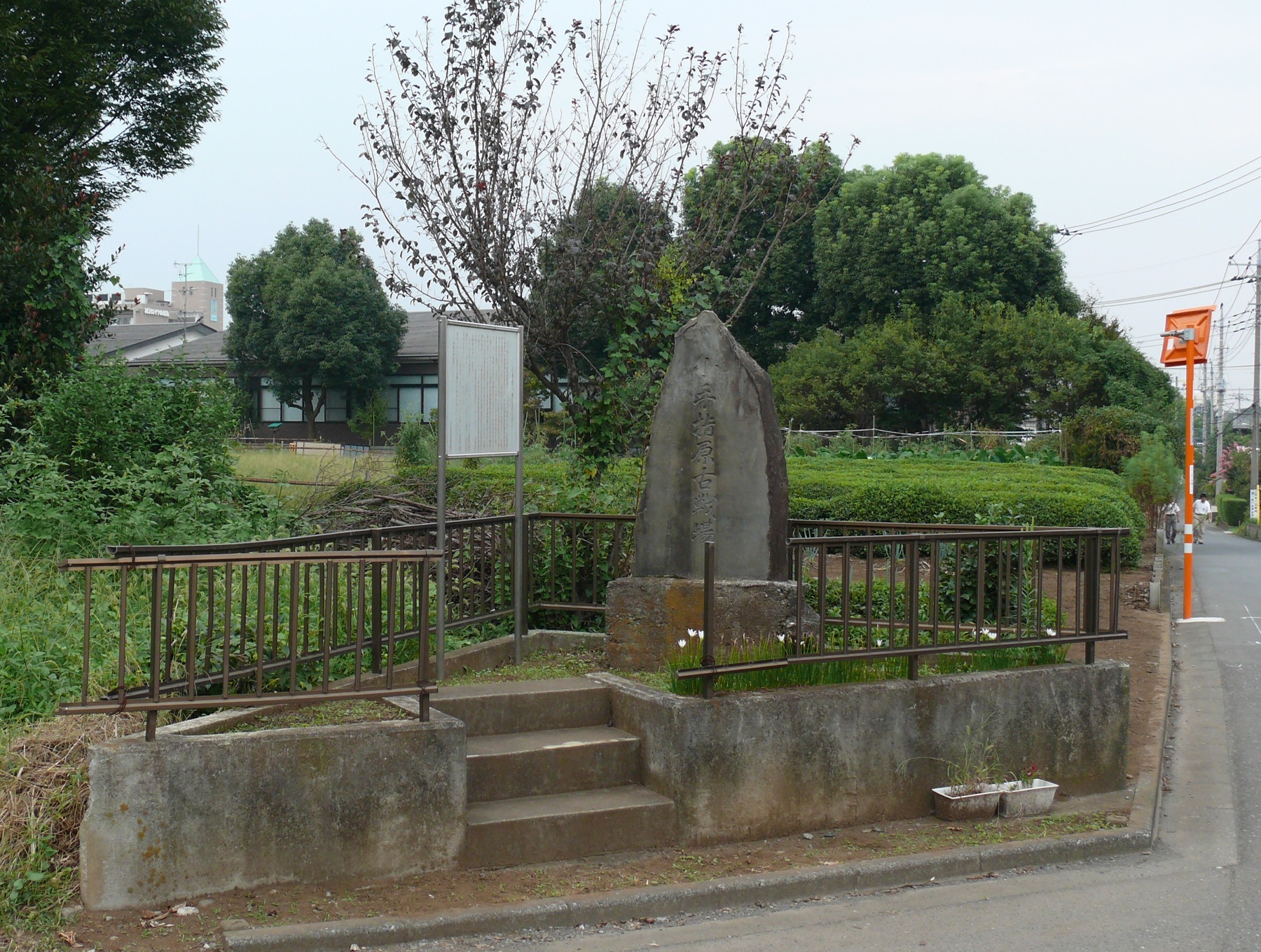
The Arrow Barrage That Broke the Shogunate's Grip
Nitta Yoshisada raised his war banner at the shrine at Ikushina on the 8th day of the 5th month of 1333, and the Kamakura Shogunate's century of dominance began to die. The young warrior had been summoned to help the Shogunate besiege the imperial fortress at Chihaya, but he feigned illness, returned home, and instead rallied an army to fight for the Emperor. Three days later, on May 11, his growing rebel force reached a windswept moor near the Iruma River at a place called Kotesashi, in what is now the city of Tokorozawa, Saitama Prefecture. Across the river, the Shogunate's forces under Sakurada Sadakuni waited. What followed was the opening clash of the Kozuke-Musashi Campaign, the decisive march that would end feudal Japan's first military government within a single devastating week.
A Rebel's Gamble
Nitta Yoshisada's decision to defy the Shogunate was not an act of sudden courage but a calculated bet. The Genko War had been grinding on since 1331, with Emperor Go-Daigo's supporters fighting to restore direct imperial rule and break the power of the Hojo clan, who had controlled the Shogunate as regents for generations. Yoshisada received an imperial mandate and saw his chance. He gathered warriors from his home province of Kozuke and began marching south toward the Shogunate's capital at Kamakura, collecting allies along the way. By the time his army reached Kotesashi moor, it had grown large enough to alarm the Shogunate commanders sent to stop it. The two forces drew up on opposite sides of the Iruma River on the morning of May 11, each watching the other across the water.
Arrows Across the Iruma
The battle opened in traditional samurai fashion: an archery barrage. Yoshisada's forces sent forward a hundred bowmen, and the Shogunate replied with two hundred archers of their own, followed by an assault of a thousand mounted warriors. Yoshisada countered with two thousand cavalry, and the engagement escalated into a full-scale battle. According to the Taiheiki, the great medieval chronicle that recorded these events, the two sides clashed more than thirty times over the course of the day, waves of mounted samurai charging and withdrawing across the moor. The fighting was fierce but ultimately inconclusive. By nightfall, both sides withdrew to count their losses. The imperial forces, having lost roughly three hundred dead, camped beside the Iruma River. The Shogunate army, with about five hundred killed, pulled back five kilometers south to the Kume River.
Two Days, Then Kamakura
The standoff lasted one night. On May 12, the armies clashed again at the Battle of Kumegawa, and this time the imperial forces gained a clear advantage, pushing the Shogunate defenders further south. What had begun as a single rebel's march from Kozuke had become an unstoppable advance. In less than a week after Kotesashi, Yoshisada's army covered the remaining fifty kilometers to Kamakura itself. The Siege of Kamakura that followed was catastrophic for the Hojo regents. The city fell, the last Hojo leaders committed suicide, and the Kamakura Shogunate -- which had governed Japan since 1185 -- was destroyed. The battles at Kotesashi and Kumegawa were the hinge: the first moments when the Shogunate's military machine met a force it could not turn back.
A Suburban Battlefield
Today, the site of the Battle of Kotesashi lies within the modern city of Tokorozawa, a commuter suburb of Tokyo known more for its aviation museum and baseball stadium than for medieval warfare. The Iruma River still flows through the area, but the moor where samurai cavalry charged in waves is long buried under residential streets and shopping districts. The landscape gives no hint of the violence that unfolded here seven centuries ago. Yet the battle's consequences shaped the entire arc of Japanese history. The fall of the Kamakura Shogunate led to Emperor Go-Daigo's brief restoration of imperial power, which in turn collapsed into civil war and the rise of the Ashikaga Shogunate. Kotesashi was the first domino. Standing on an ordinary sidewalk in Tokorozawa, you are standing where Japan's political order cracked open.
From the Air
Located at 35.80N, 139.42E in Tokorozawa, Saitama Prefecture, northwest of central Tokyo. The Iruma River is visible from altitude running through the suburban landscape. Iruma Air Base (RJTI) lies approximately 8 km to the north. Yokota Air Base (RJTY) is roughly 10 km to the west. Chofu Airport (RJTF) is about 20 km to the south-southeast. The battlefield site is now entirely urbanized; look for the Iruma River corridor as the primary geographic reference when approaching from altitude.