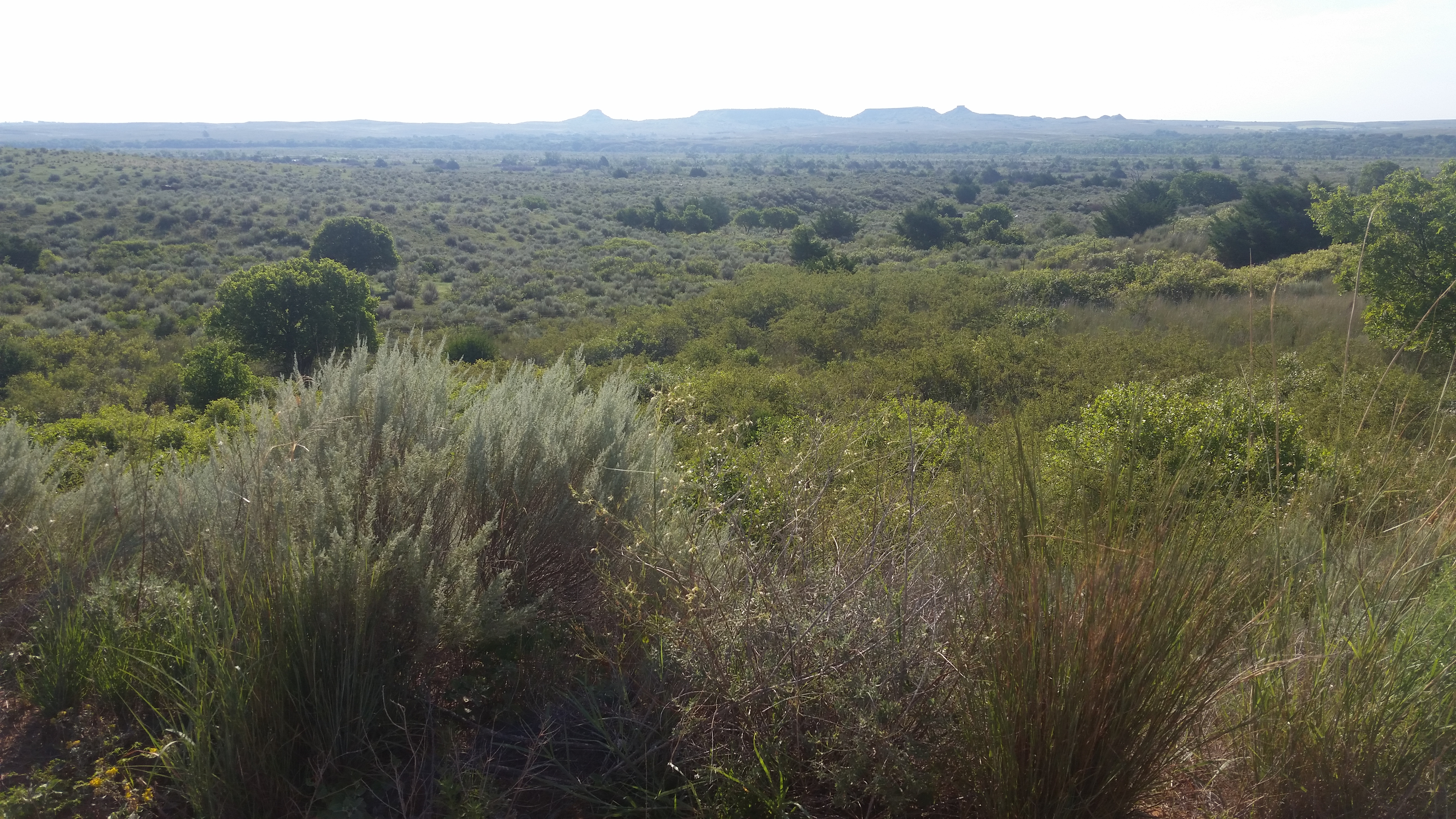
Battle of Little Robe Creek
Iron Jacket believed he was invincible. The Comanche chief had worn a Spanish coat of mail into battle for years, and lighter weapons had never penetrated it. His warriors believed his breath could blow bullets away. On May 12, 1858, at Little Robe Creek near the Antelope Hills in what is now western Oklahoma, Iron Jacket rode directly in front of the attacking Texas Rangers and their Tonkawa allies, challenging them to individual combat. It had worked before. But the Rangers carried repeating firearms, and the ancient armor that had turned aside arrows and musket balls could not stop the newer weapons. Iron Jacket fell, and with him fell the illusion that the Comancheria was impenetrable.
An Illegal Invasion
The Battle of Little Robe Creek was not just a military engagement -- it was a crime under federal law. The United States strictly forbade state forces from entering the federally protected Indian Territories. But Texas had a unique grievance and a unique legal situation. When Texas joined the Union in 1846, it retained control over virtually all public land within its borders, unlike other states where the federal government controlled most land and managed Indian affairs. Texas refused to provide land for Indian reservations yet expected Washington to handle frontier security. Federal troops were being withdrawn for political reasons as the Civil War loomed. The frontier was burning, and Ranger Captain John S. "Rip" Ford decided to act.
The Cannibal Allies
Ford recruited Tonkawa warriors from their reservation on the Brazos River to serve as scouts and fighters. Texas histories praise the Tonkawa as loyal allies of the settlers, generally downplaying a fact that made them feared and despised by every other Plains tribe: the Tonkawa were reputed to be cannibals. Ford, who had witnessed Tonkawa brutality toward other Native Americans, had no qualms about the alliance as long as the Tonkawa directed their appetites at Comanches rather than Rangers. With roughly equal numbers of Rangers and Tonkawa, Ford and Tonkawa chief Placido set out to follow the Comanche and Kiowa to their strongholds along the Canadian River and into the Wichita Mountains. Governor Runnels's orders were explicit: "follow any and all trails of hostile and suspected hostile Indians, inflict the most severe and summary punishment."
Three Fights in One Day
Military historians count the Battle of Little Robe Creek as three distinct encounters compressed into a single day-long fight. The Rangers and Tonkawa advanced into the Comancheria in the Indian Territories and struck at dawn. Historians including T.R. Fehrenbach have labeled the engagement a massacre -- a sleeping village attacked without warning, its inhabitants slaughtered. Iron Jacket rallied his warriors after the initial shock, riding out to challenge the attackers in single combat. When he fell, his followers panicked. The Comanche second-in-command was killed by a shot from Chul-le-quah, a Shawnee captain fighting with the Rangers. Only Peta Nocona's leadership saved the remaining Comanche, as he managed a fighting retreat that stretched the battle into a running gun fight over several miles.
Scorched Earth on the Canadian
After the fighting, the Tonkawa warriors decorated their horses with the hands and feet of their Comanche victims and consumed body parts in what Ford's men called a "dreadful feast." The Rangers destroyed Comanche lodges, food supplies, and horse herds, leaving survivors without means to survive. Ford requested permission to raise more Rangers and continue the campaign, but Governor Runnels had already spent half the year's defense budget. The Rangers were disbanded after six months. The impact was nonetheless enormous. For the first time, Texan or American forces had penetrated the heart of the Comancheria, attacked villages, and made it home. The U.S. Army would later adopt many of Ford's tactics, including targeting civilian camps and destroying the buffalo herds that sustained the Plains tribes -- the scorched-earth methods that would define the Indian Wars to come.
From the Air
Located at 35.97N, 99.91W near the Antelope Hills in western Oklahoma, along the Canadian River. The Antelope Hills are a distinctive cluster of low, rounded hills visible from the air amid flat to rolling grassland. The Canadian River valley provides the primary terrain relief. Nearest airports: Clinton-Sherman Airport (KCSM) approximately 40 nm southeast; Woodward Airport (KWWR) approximately 50 nm north. Best viewed at 3,000-5,000 feet AGL. The confluence of Little Robe Creek with the Canadian River is the approximate battle site.