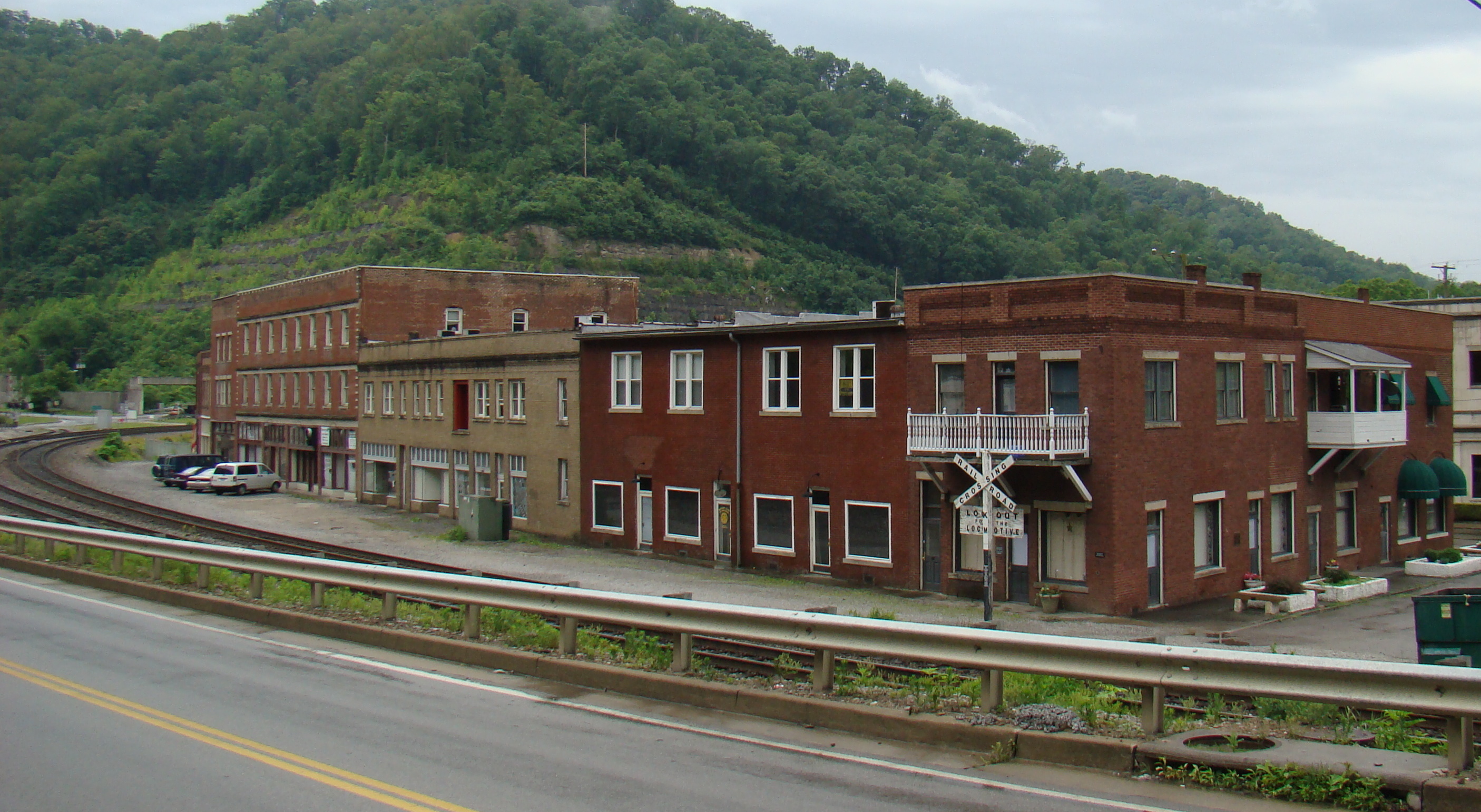
Battle of Matewan
Ten people died in roughly ten seconds on Mate Street. It was May 19, 1920, and the Baldwin-Felts detectives had just finished evicting mining families from their company-owned homes on the outskirts of Matewan, West Virginia. They were walking to catch the five o'clock train back to Bluefield when Police Chief Sid Hatfield stepped into their path with arrest warrants. The detectives produced their own warrant for Hatfield. Mayor Cabell Testerman examined it and declared it fraudulent. What the detectives did not know was that armed miners had surrounded them, watching from the windows, doorways, and rooftops of the businesses lining the street. Someone fired the first shot -- accounts still disagree on who -- and in the eruption that followed, seven detectives and three townspeople lay dead, including two Felts brothers and the mayor himself.
Scrip, Tents, and Desperation
The coal miners of southern West Virginia in 1920 lived under a system designed to keep them indebted and obedient. The Stone Mountain Coal Company paid wages in coal scrip, currency that could only be spent at the company store. Miners worked long hours in conditions that were both unsafe and dismal. The United Mine Workers of America had just elected John L. Lewis as president, and when strikes elsewhere in the country won a 27 percent pay increase, Lewis recognized that Appalachia was ripe for organizing. The union sent its top recruiters, including the legendary Mary Harris "Mother" Jones. Roughly 3,000 men signed union cards at the community church that spring, knowing it could cost them their jobs and their homes. The coal companies responded with mass firings, harassment, and evictions. Hundreds of families spent the spring of 1920 living in tents at the Stony Mountain Camp Tent Colony.
A Town That Refused to Bend
Matewan, founded in 1895, was a small independent town nestled in the Tug River Valley -- one of the few communities in Mingo County not entirely controlled by the coal operators. Mayor Cabell Testerman and Police Chief Sid Hatfield, a native of the valley, both sided openly with the miners. This infuriated the Stone Mountain Coal Corporation, which hired the Baldwin-Felts Detective Agency to enforce its will. The miners called them the "Baldwin Thugs." The agency's task was straightforward: evict union families from company housing and intimidate the rest into submission. But Matewan's elected leaders would not cooperate. In a region where coal companies controlled the courts, the stores, the housing, and the law, this tiny town with its defiant chief and stubborn mayor became a symbol of resistance.
Gunfire on Mate Street
On the morning of May 19, Baldwin-Felts agents arrived on the No. 29 train and carried out several evictions at the Stone Mountain Coal Camp. After eating dinner at the Urias Hotel, they walked toward the depot for the return train. Hatfield intercepted them. Albert Felts produced a warrant for Hatfield's arrest. Testerman inspected it and called it fraudulent. The confrontation moved to the porch of the Chambers Hardware Store. Then Albert Felts fired from his coat pocket, mortally wounding the mayor, and fired over his shoulder at Hatfield, instead killing a young miner named Tot Tinsley, just 19 years old. Hatfield returned fire, killing Albert Felts. In the chaos that erupted, miners opened fire from every direction. When the smoke cleared, seven detectives lay dead, including Albert and Lee Felts. The trial that followed, from January to March 1921, ended with every defendant acquitted of all charges.
Revenge and the March to Blair Mountain
Tom Felts, the last surviving Felts brother, sent undercover operatives to build a case against Hatfield. When murder charges against Hatfield and 22 others were dismissed, the Baldwin-Felts agency took its own justice. On August 1, 1921, detectives assassinated Sid Hatfield and his deputy Ed Chambers on the steps of the McDowell County courthouse in Welch, West Virginia. The killings electrified the mining communities. Less than a month later, thousands of miners gathered in Charleston and began marching toward Logan County, determined to organize the southern coal fields by force. The march grew as miners joined along the way, culminating in the Battle of Blair Mountain -- the largest armed labor uprising in American history. The Matewan Historic District was added to the National Register of Historic Places on April 27, 1993, preserving the site where America's mine wars ignited.
Echoes in the Hollows
The Urias Hotel, which served as the Baldwin-Felts headquarters during the events of 1920, was destroyed by fire in December 1992. But the story refused to fade. Director John Sayles brought the battle to the screen in his 1987 film Matewan, and the events have figured in novels, plays, and histories ever since. Today Matewan sits quietly along the Tug Fork of the Big Sandy River, a town of a few hundred people in one of the most remote corners of Appalachia. A historic highway marker on Main Street recounts the massacre in plain language. The West Virginia Mine Wars Museum in town preserves the broader story of the coal wars that shaped the region. What happened here in 1920 was not just a local dispute -- it was a turning point in the battle for workers' rights across America, a moment when ordinary people decided that the cost of standing up was less than the cost of staying down.
From the Air
Located at 37.62°N, 82.17°W in the narrow Tug River Valley along the West Virginia-Kentucky border. The town of Matewan is visible as a small settlement along the Tug Fork of the Big Sandy River, hemmed in by steep Appalachian ridges on both sides. The valley runs roughly northeast-southwest. Look for the railroad line paralleling the river through town -- the same rail corridor the Baldwin-Felts detectives traveled. The surrounding terrain is deeply folded Appalachian mountains with narrow hollows. Nearest airports: Yeager Airport (KCRW) in Charleston, approximately 60nm northeast; Tri-State Airport (KHTS) near Huntington, approximately 50nm northwest. Recommended viewing altitude 3,000-5,000 ft AGL to appreciate the tight valley geography. Expect variable mountain weather with low clouds common in the hollows.